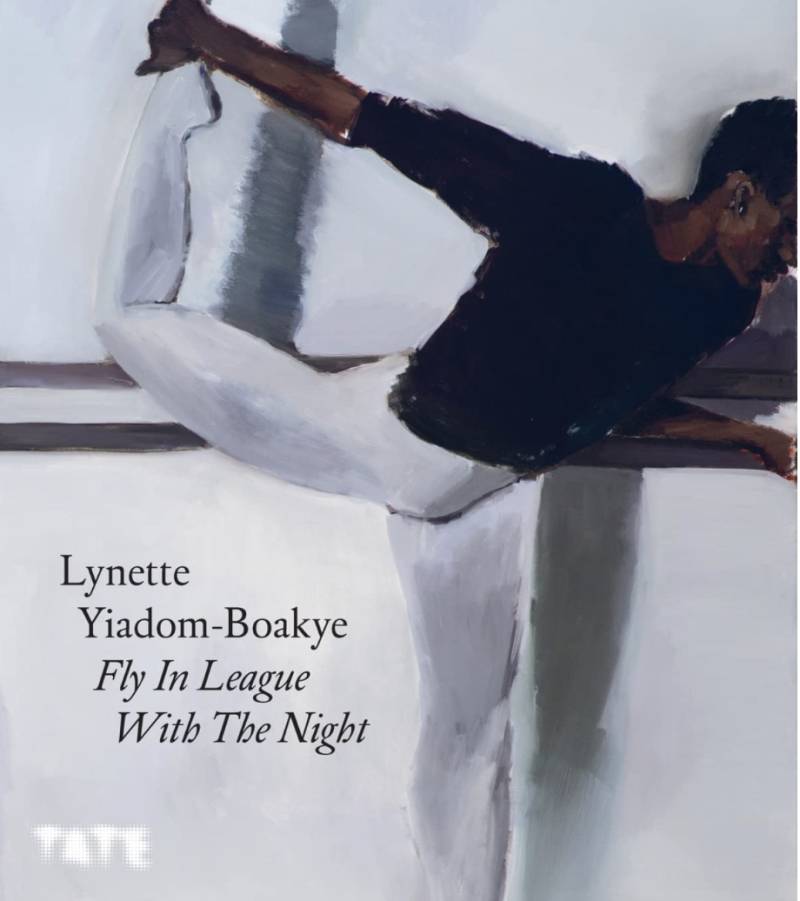
A groundbreaking and essential survey of the art of Lynette Yiadom-Boakye, offering an in-depth discussion of the development of the artist and positioning her work within a wider history of portraiture.
Lynette Yiadom-Boakye: Fly In League With The Night celebrates the work of one of the most significant and acclaimed figurative painters of her generation. Fact and fiction fuse in Yiadom-Boakye’s paintings: they appear to be portraits, yet the people she depicts are not real but invented. Created from a composite of found images and her own imagination, her characters seem to exist outside of a specific time or place: they feel at once familiar yet mysterious. This ambiguity resonates again in the enigmatic titles she gives to her artworks. The artist is also a writer of poetry and prose, and for her, the two forms of creativity complement each other: ‘The things I can’t paint, I write, and the things I can’t write, I paint.’
This perceptive and engaging publication provides a comprehensive account of Yiadom-Boakye’s practice over the past two decades. With contributions by the celebrated poet Elizabeth Alexander and curators Andrea Schlieker and Isabella Maidment, alongside new writing by Yiadom-Boakye, Fly In League With The Night reflects the dual aspects of the artist’s career as both a painter and a writer and offers an intimate insight into her creative process.
‘I may pay rent to a friend for my place in Greensboro, but the South’s my landlord; and I’m trapped in its stomach trying to get to its brain. Here, I see butterflies with Confederate flag-grown wings and minstrel vestiges of Daddy Rice collecting dough. I can’t move because I’m stuck in Aunt Jemima’s syrup.’ Spell, Time, Practice, American, Body is the highly anticipated first book by artist, filmmaker, and writer RaMell Ross. Bringing together Ross’s large-format photographs, sculptures, conceptual works, and selected films, together with illuminating texts by Ross and a host of writers, this ambitious publication presents a chronicle of the American South that is both mysterious and quotidian, a historical document and a radical imagining of the future. The book opens with a series of illuminating colour photographs from Hale County, Alabama, Ross’s adoptive home and the setting of his Academy Award-nominated documentary Hale County This Morning, This Evening (2018). It then moves through a series of photographic and mixed-media works and writings that examine, deconstruct, and rewrite visual representations of the South. Amidst these works, at the book’s heart, is Ross’s film Return to Origin, a remarkable conceptual work in which Ross freight ships himself in a 4x8-foot box – a nod to Henry Brown who shipped himself to freedom in 1849. With Spell, Time, Practice, American, Body, Ross creates a new visual narrative of the South, freed from its iconic meanings to reveal the earth, dirt, soil, and land beneath. With texts by RaMell Ross, Tracy K. Smith, Richard McCabe, and Scott Matthews
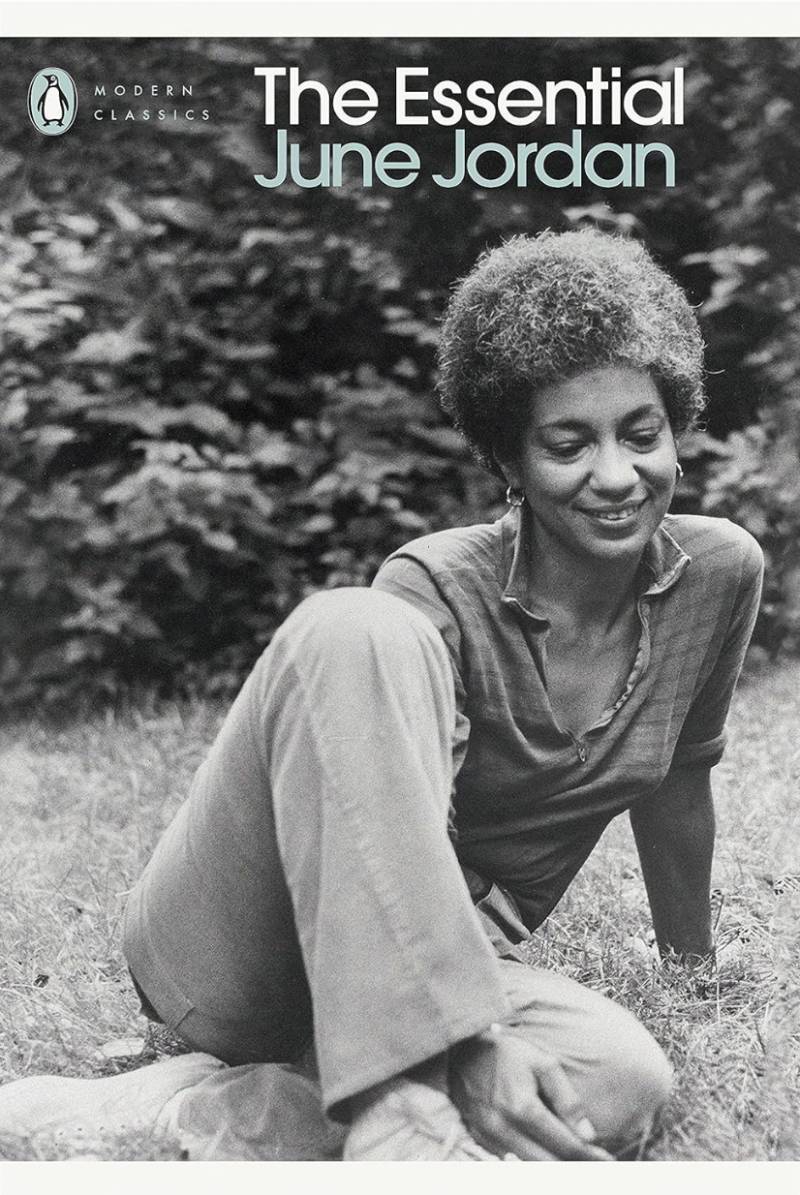
The Essential June Jordan honors the enduring legacy of a poet fiercely dedicated to building a better world. In this definitive volume, featuring an afterword by Pulitzer Prize-winner Jericho Brown, June Jordan’s generous body of poetry is distilled and curated to represent the very best of her works. Written over the span of several decades―from Some Changes in 1971 to Last Poems in 2001―Jordan’s poems are at once of their era and tragically current, with subject matter including racist police brutality, violence against women, and the opportunity for global solidarity amongst people who are marginalized or outside of the norm. In these poems of great immediacy and radical kindness, humor and embodied candor, readers will (re)discover a voice that has inspired generations of contemporary poets to write their truths. June Jordan is a powerful voice of the time-honored movement for justice, a poet for the ages.
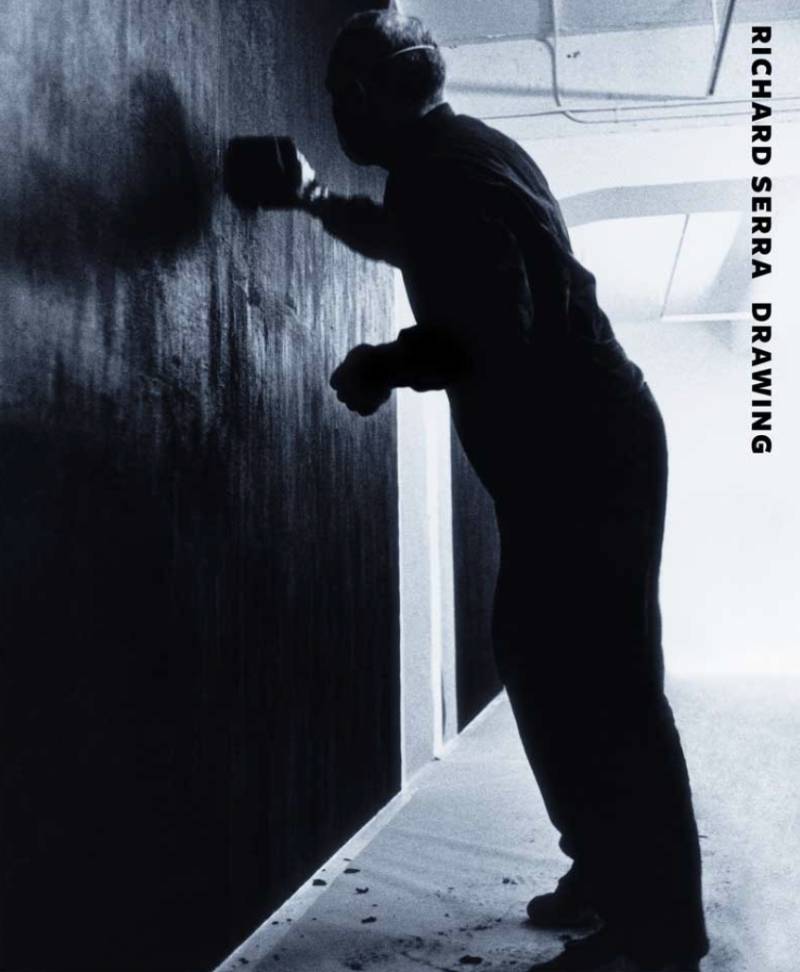
As the focal point of numerous high-profile exhibitions, the sculpture of Richard Serra (b. 1939) has drawn international acclaim. Yet even those who have marveled at Serra's intellectually rigorous and large works of sculpture may not be familiar with his equally intriguing drawings. This handsome book brings together for the first time Serra's drawn work, considering the artist's investigation of medium as an activity both independent from and linked to his pioneering sculptural practice.
First working in ink, charcoal, and lithographic crayon on paper, Serra originally used drawing as a means to explore form and perceptual relations between his sculpture and the viewer. Over time, his drawings underwent significant shifts in concept, materials, and scale and became fully realized and autonomous works of art. The grand, bold forms he created with black paintstick in his monumental Installation Drawings were designed to disrupt and complement existent spaces and eventually began to occupy entire rooms. In the late 1980s, Serra explored the tension of weight and gravity through layering, and his most recent work experiments with surface effects, using mesh screens as intermediaries between the gesture and the transfer of pigment to paper.
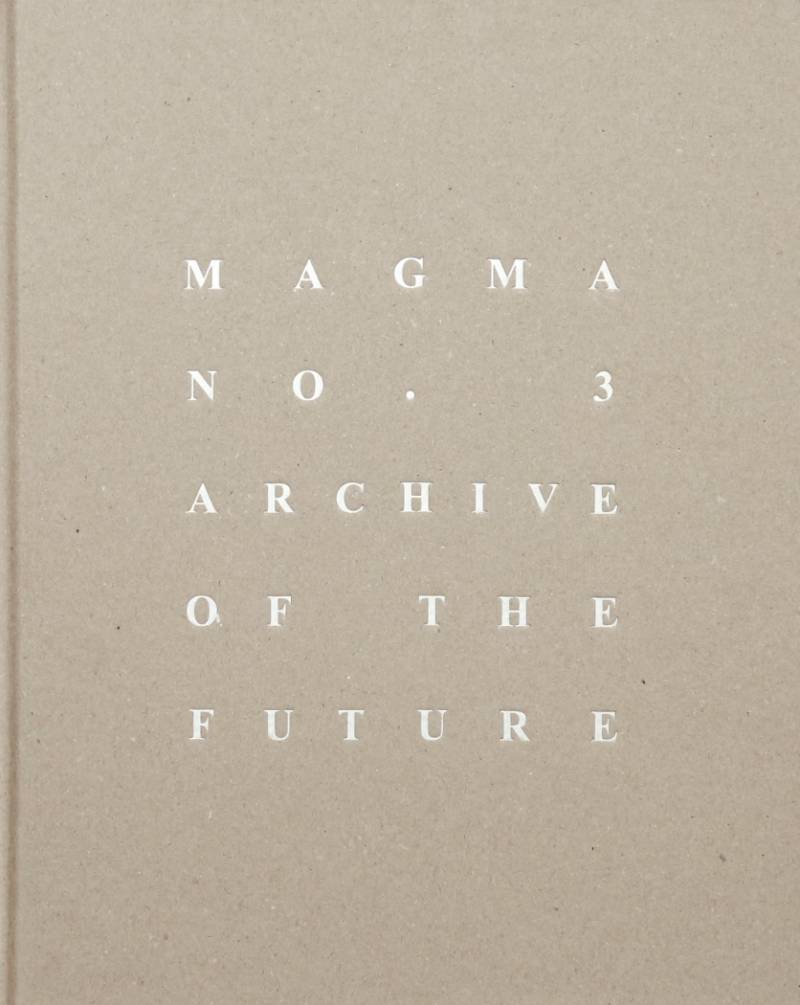
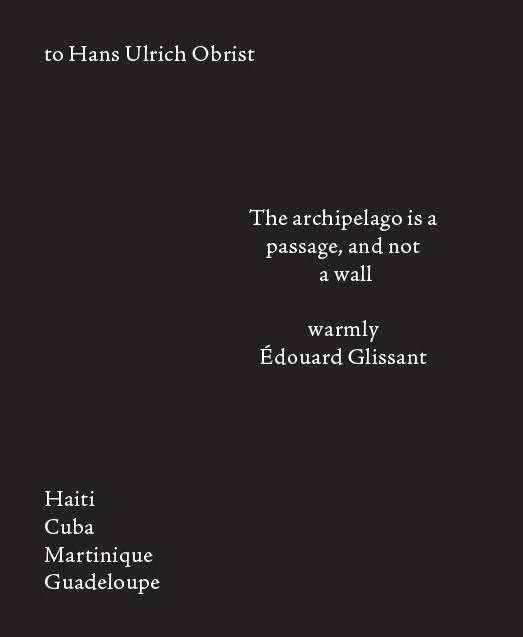
For its third edition, Magma publishes Archive of the Future, a volume bringing together twenty-five artists, writers, filmmakers, and composers from around the world. The publication continues its poetic cartography of the contemporary world—in an object at the crossroads of art publishing, aesthetic manifesto, and living archive. Hans Ulrich Obrist who wrote the foreword to this edition, captures the spirit of the project as follows “Magma is an extraordinary collection of artist archives that helps us invent the future. These archives are not places of certainty, but tools—prototypes for future action and for the world as it could be.” In a world devoid of promise—where history seems dislocated and the future uncertain—Magma questions the capacity of artistic forms to anticipate the world to come.
With contributions from Merry Alpern, Elizabeth Peyton, Charles Ray, Pol Taburet, Jonas Mekas, Yoko Ono & John Lennon, Precious Okoyomon, Francis Ponge, Jean Siméon Chardin, Michelangelo Pistoletto, Théo Casciani, Jonathan Glazer, Jill Mulleady, Mike Kelley, Lautréamont, Jean-Luc Godard, Stephan Crasneanscki, Patti Smith, Stanislava Kovalčiková, Henri Michaux, Jos De Gruyter & Harald Thys, Michel Journiac, Sissel Tolaas.
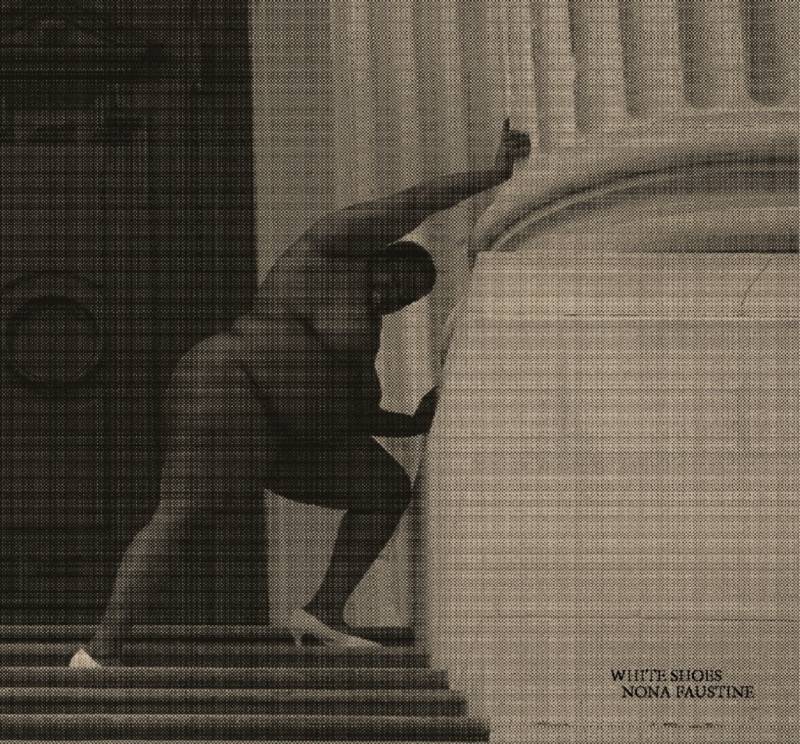
“What does a Black person look like today in those places where Africans were once sold, a century and a half ago?” asks artist Nona Faustine (born 1977). Using her own body, she interrogates this question in her photographic series White Shoes. More than 40 self-portraits show Faustine standing in sites across New York City, from Harlem to Wall Street to Prospect Park and beyond, that are built upon legacies of enslavement in New York—one of the last Northern states to abolish slavery. On her feet are a pair of sensible white pumps, which speak to the oppressions of colonialism and assimilation imposed on Black and Indigenous peoples locally, nationally, and globally.
Otherwise nude, partially covered, or holding props, Faustine is at once vulnerable and commanding, standing in solidarity with ancestors whose bodies and memory form an archive in the land beneath her shoes.
Nona Faustine: White Shoes is the artist’s first solo museum exhibition and the first complete installation of this consequential series. Born and raised in Brooklyn, Faustine urges us to think critically about the hidden, often traumatic histories of the places we call home. As such topics are being erased from public school curricula nationwide, this display is a moment to consider the enduring impact that the past has on our present.
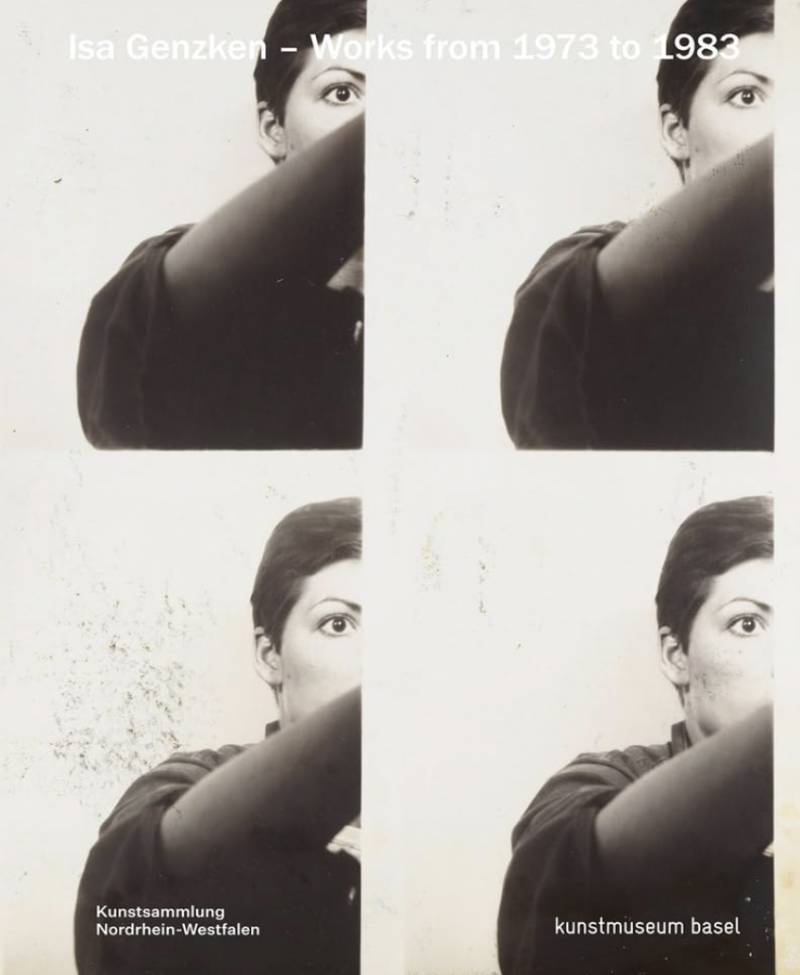
Isa Genzken (born 1948) is one of Germany’s most prominent contemporary artists. This new volume is dedicated to the artist’s early works, beginning with pieces executed while she was still a student at the Düsseldorf Academy of Fine Arts and closing with examples of Genzken’s creative output right before she moved to Cologne with then-husband Gerhard Richter.
The book takes into consideration the prevailing influence of Minimalism and Conceptualism, and the ways in which Genzken’s early work constituted a response to such trends. Though her work appears at first to frequently consist of exercises in geometric abstraction, upon closer inspection, many of Genzken’s pieces reveal echoes of the artist’s own life, including meditations on personal relationships and the unpredictability of desire.
Genzken’s work in drawing, photography, computer printouts and films is highlighted alongside her sculptures, with essays by Simon Baier, Jutta Koether and Griselda Pollock.
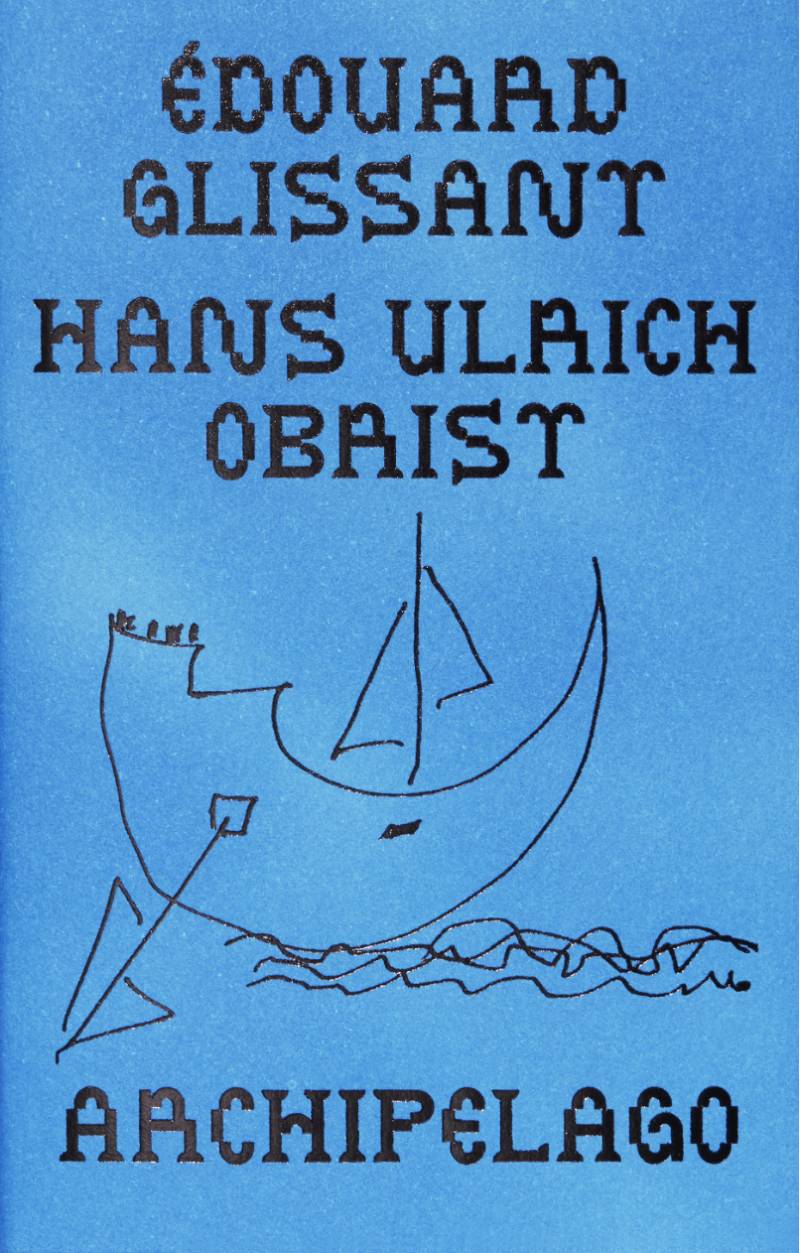
Édouard Glissant—champion of islands and key philosopher for the 21st Century—offers an escape from the traps of globalisation and nationalism. A vision for a decentralized and interdependent world.
Over fifteen years, Glissant reflected on his life and philosophy with his friend Hans Ulrich Obrist. This was something like an education, the foundation for Obrist's approach to curating. As one of today's most prolific producers of culture, Obrist has left an indelible mark—and Glissant through him.
Obrist has long pursued Glissant's vision across museums and galleries, but—with the destruction of environments, extinction of languages, and the volatility of reality—he believes that Glissant's philosophy is necessary beyond academic and curatorial walls. Returning to the records of their encounter, Obrist edited, reworked, and arranged their conversations in their entirety for the first time and for a broad public audience.

Deana Lawson is one of the most intriguing photographers of her generation. Over the last ten years, she has created a visionary language to describe identities through intimate portraiture and striking accounts of ceremonies and rituals. Using medium- and large-format cameras, Lawson works with models she meets in the United States and on travels in the Caribbean and Africa to construct arresting, highly structured, and deliberately theatrical scenes animated by an exquisite range of color and attention to surprising details: bedding and furniture in domestic interiors or lush plants in Edenic gardens. The body―often nude―is central. Throughout her work, which invites comparison to the photography of Diane Arbus, Jeff Wall, and Carrie Mae Weems, Lawson seeks to portray the personal and the powerful in black life. Deana Lawson: An Aperture Monograph features forty beautifully reproduced photographs, an essay by the acclaimed writer Zadie Smith, and an expansive conversation with the filmmaker Arthur Jafa.
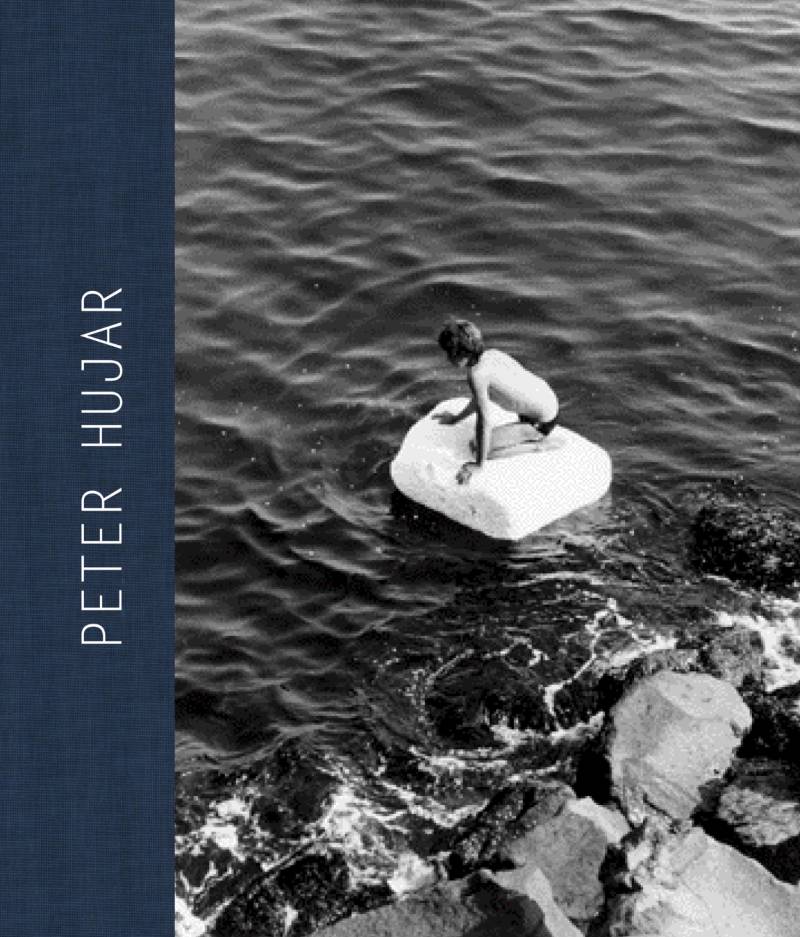
Peter Hujar was a leading figure of the downtown New York scene of the 1970s and ’80s. He is most well-known for his portraits of New York City’s artists, musicians, writers, and performers, which feature characters such as Susan Sontag, William S. Burroughs, David Wojnarowicz, and Andy Warhol, and was admired for his completely uncompromising attitude toward work and life. Hujar was a consummate technician, and his portraits of people, animals, and landscapes, as well as his documentation of the HIV/AIDS epidemic, with its exquisite black-and-white tonalities, were extremely influential. Underappreciated during his lifetime, Hujar is now a revered icon of the lost downtown art scene, and his photographs are held in permanent collections around the world. Over 160 photographs are gathered in Peter Hujar: Speed of Life. Published alongside a major touring exhibition, this collection presents Hujar’s famous portraiture as well as his lesser-known projects. Accompanied by texts by Philip Gefter, Steve Turtell, and Joel Smith, this survey provides a thorough history of Hujar’s life and artistic practice.
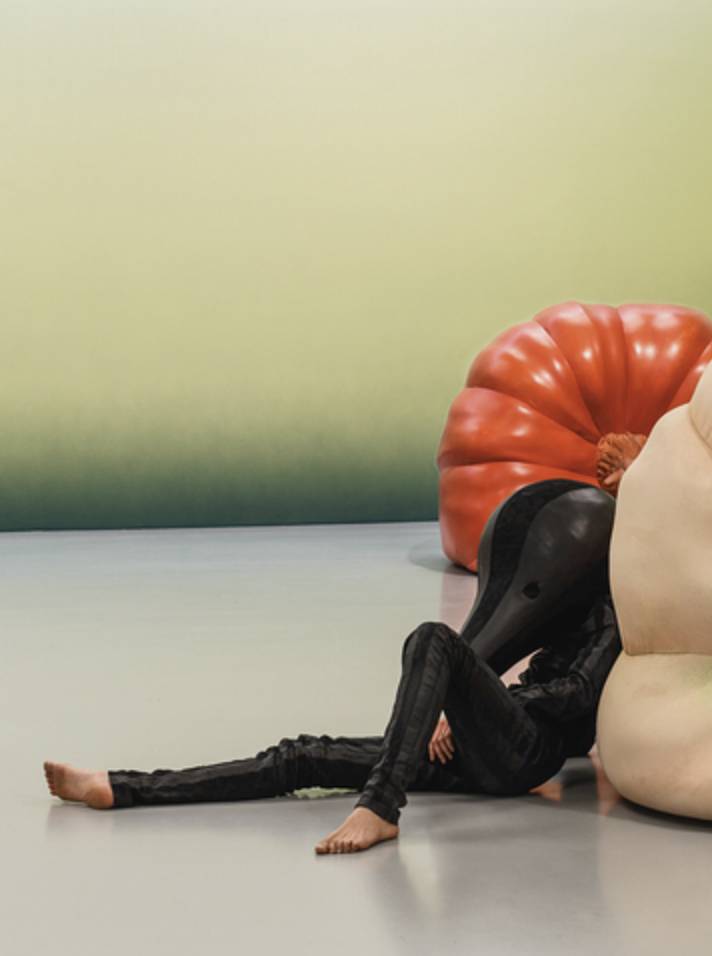
Mash Up is the first comprehensive monographic publication dedicated to the work of London based artist Anthea Hamilton, following her survey exhibition at M HKA in 2022. For over two decades, Anthea Hamilton has developed a complex practice which spans sculpture, installation, film and performance. This book presents for the first time the full scope of Hamilton’s artistic production and gives prominence to the artist’s creative and independent spirit. It opens with a mashup of images featuring textures, details, patterns and collages weaving their way into and out of the work. The section ‘Spaces’ features past exhibitions and projects in a way that attests to the artist’s commitment to ambitious spatial interventions, starting with M HKA in 2022 and going back in time all the way to Hamilton’s first individual exhibition, at Ibid. Projects in 2006. The last section of the book presents the artist’s complete production through an illustrated catalogue raisonné of individual works arranged in chronological order – of exhibitions, performances and collaborations – from 1999 to 2022.
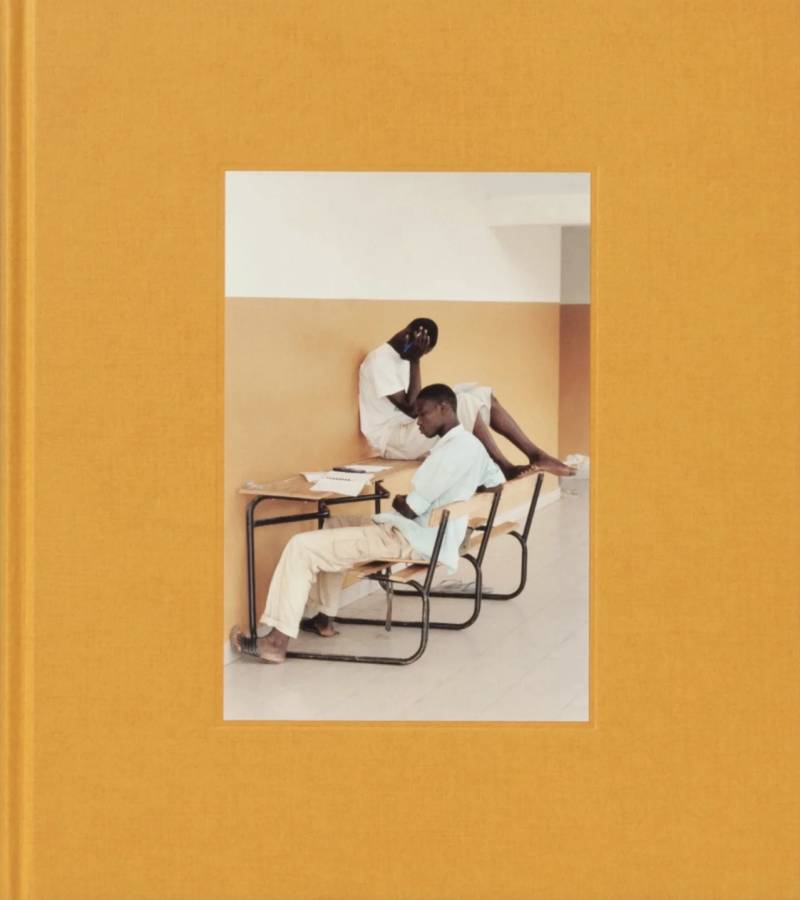
Impossible Island delicately sequences Roy's career of refined images into a kind of open-ended story- telling, accompanied by evocative, poetic texts by the artist and an essay by curator Robert Cook to redefine as a relational and transformative force, offering an enduring vision of interconnectedness and renewal
Magma reconnects with the tradition of the great 20th-century art journals. Designed as a forum for artistic expression, it fosters collaboration and dialogue between artists and writers. Magma revives the art journal in all its aesthetic, graphic, and intellectual rigor. Each artist’s contribution is an original or previously unpublished work, created for the publication or presented for the first time.
The journal brings together figures from different generations and backgrounds—artists, photographers, writers, filmmakers, sculptors, and architects—offering them a space to express themselves freely, without constraints or mediation. Hans-Ulrich Obrist, who writes the preface, sums it up succinctly: "Magma connects worlds with other worlds."
Published annually in a large-format, book-bound edition, Magma is a rare object in an increasingly fast-paced society, providing an opportunity to look, read, and collect.

"Throughout his career, Gregory Halpern has explored the elusive, inchoate notion of Americanness. It is both a difficult subject and a lofty prospect for any photographer and it remains an absolutely essential line of investigation, particularly in the context of the current political maelstrom. Traveling to the nation’s heartland—a vague construct increasingly synonymous with the Bible belt—Halpern continues to mine this idea of Americanness in a place bounded by prairie and steeped in pioneer history. His work in the midwestern city of Omaha reveals America as pluralized, fragmented, and teeming with its own 'brand of hypermasculinity’, as he terms it: adolescents on the cusp of promise or obscurity, land that seemingly leads to nowhere, a sense of unending time and a dark side to domesticity. Halpern’s efforts to visualize America yield an opportunity to learn about the country by staring back at images of it that breed their own complexity.” – Amanda Maddox, J. Paul Getty Museum
For the last fifteen years, Gregory Halpern has been photographing in Omaha, Nebraska, steadily compiling a lyrical, if equivocal, response to the American Heartland. In loosely-collaged spreads that reproduce his construction-paper sketchbooks, Halpern takes pleasure in cognitive dissonance and unexpected harmonies, playing on a sense of simultaneous repulsion and attraction to the place. Omaha Sketchbook is ultimately a meditation on America, on the men and boys who inhabit it, and on the mechanics of aggression, inadequacy, and power.
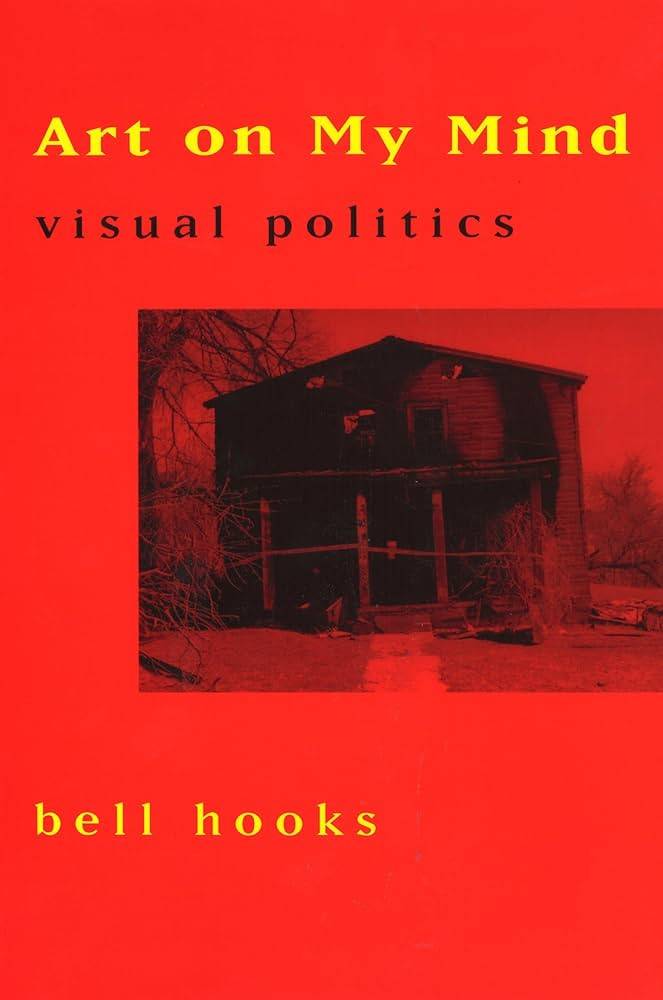
In Art on My Mind, bell hooks, a leading cultural critic, responds to the ongoing dialogues about producing, exhibiting, and criticizing art and aesthetics in an art world increasingly concerned with identity politics. Always concerned with the liberatory black struggle, hooks positions her writings on visual politics within the ever-present question of how art can be an empowering and revolutionary force within the black community.
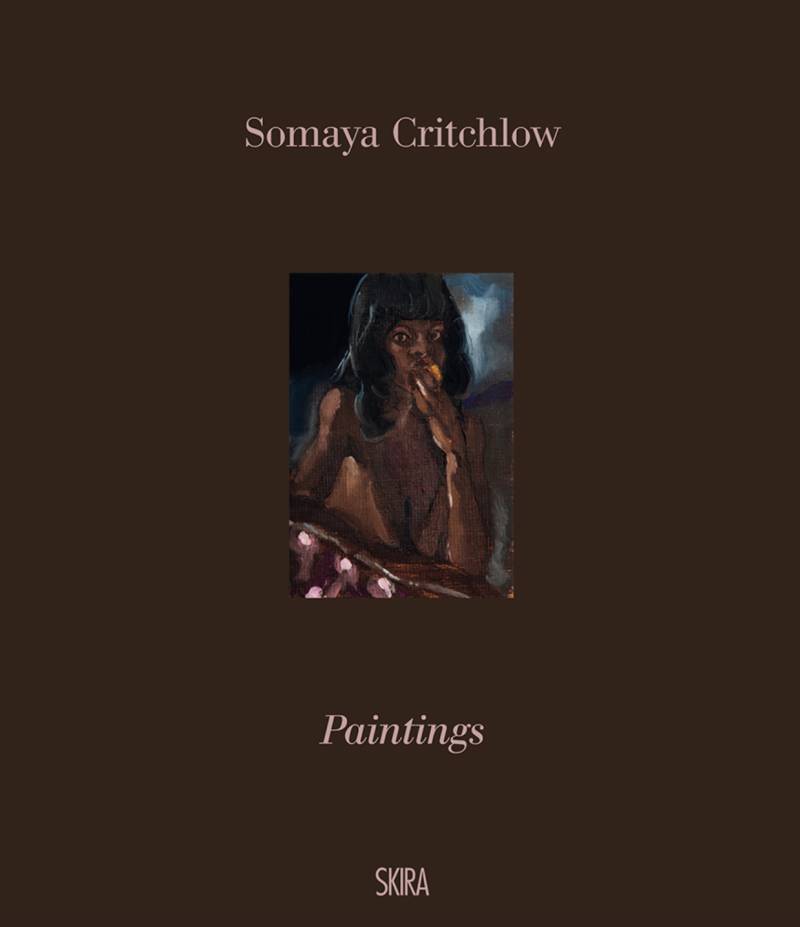
Somaya Critchlow’s canvases and sketchbooks log an ongoing process of world building. The artist fashions these realms by drawing upon her expansive knowledge of picture-making traditions ranging from the Renaissance to the Rococo. In charting the ever-expanding dimensions of this female-dominated universe, Critchlow casually disarms the distinctions that inform concepts of high and low culture by uncovering the ways in which class and racial difference are routinely conflated. The voluptuous, self-possessed women who explore Critchlow’s fantasy landscapes and pensively occupy domestic interiors or otherwise blank pages owe as much to the aesthetics of Love and Hip Hop as they do to Peter Paul Rubens, and thus prompt the viewer to consider the disparate ways in which we esteem these forms of culture―and the women they feature.
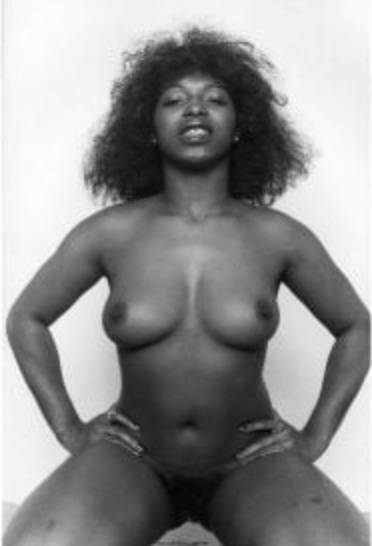
Baltimore Portraits presents two bodies of work taken between 1976 and 1985, privately made by the late artist, Steven Cuffie, who spent his life as a photographer working for the city of Baltimore. Edited by his youngest son, Marcus Cuffie, who also wrote an introduction about his father’s legacy. My siblings and I discovered them after he passed away, when my sister came across a collection of print filled boxes that had been kept in various cabinets throughout our house. In working with them, two subjects emerged most clearly, women and children. These are the subjects that occur most frequently in his early work. Portraits of women taken while he was a bachelor, and pictures of children he started concurrently in the mid 70’s.
"In expanding a conversation about Baltimore, and the lives of its peoples his work expands an understanding of the city. The idea of being black in the 70’s was developing rapidly and these works are connected to that lineage. The people in these images are not only subjects but collaborators in telling a story. Harder truths of the city are not hidden in the smiles of children, they are understood as only one part of what makes up life. The intimate space in which the portraits of women are taken is one that feels enclosed from external ideas of what blackness meant at the time. Free from narrative, the people in these images are allowed to unfold as real before the viewers eyes, free from politics that demand classification."
This book was published on the occasion of the exhibition Theaster Gates: Every Square Needs a Circle at Gray Warehouse in Chicago. Featuring over a hundred color illustrations, it offers a detailed look at recent sculpture, tar paintings, installation, and neon work by the artist, and also features a multifaceted installation that bridges the work of W. E. B. Du Bois with architectural excerpts from Chicago, highlighting the history of objects while expounding on the archives that hold records of Black intelligence. The catalogue opens with a poem written by Gates, and includes an essay by artist and writer Zachary Cahill and a chronology of Gates’s exhibitions.
Proceeds from the sales of this book will be donated to Gates’s nonprofit organization Rebuild Foundation, which strives to demonstrate the impact of innovative, ambitious, and entrepreneurial arts and cultural initiatives.
Precious Okoyomon's latest collection of poems But Did You Die? combines their signature divinely-inspired lyricism with vivid illuminations. Okoyomon's pantheism-in-verse brings the sensibility of their sublime installations to the page with poems that are as expressive as they are formally inventive. This delicate book weaves an unprecedented braid of poetry, experimental writing and drawing.

Even when available elsewhere, information on these 50 English-language authors is sparse; the in-depth treatment here includes biography, description of major works and themes, summary of critical reception, and an exhaustive bibliography of works by and about each author. Both academic and public libraries will want to accept this invitation to another world.
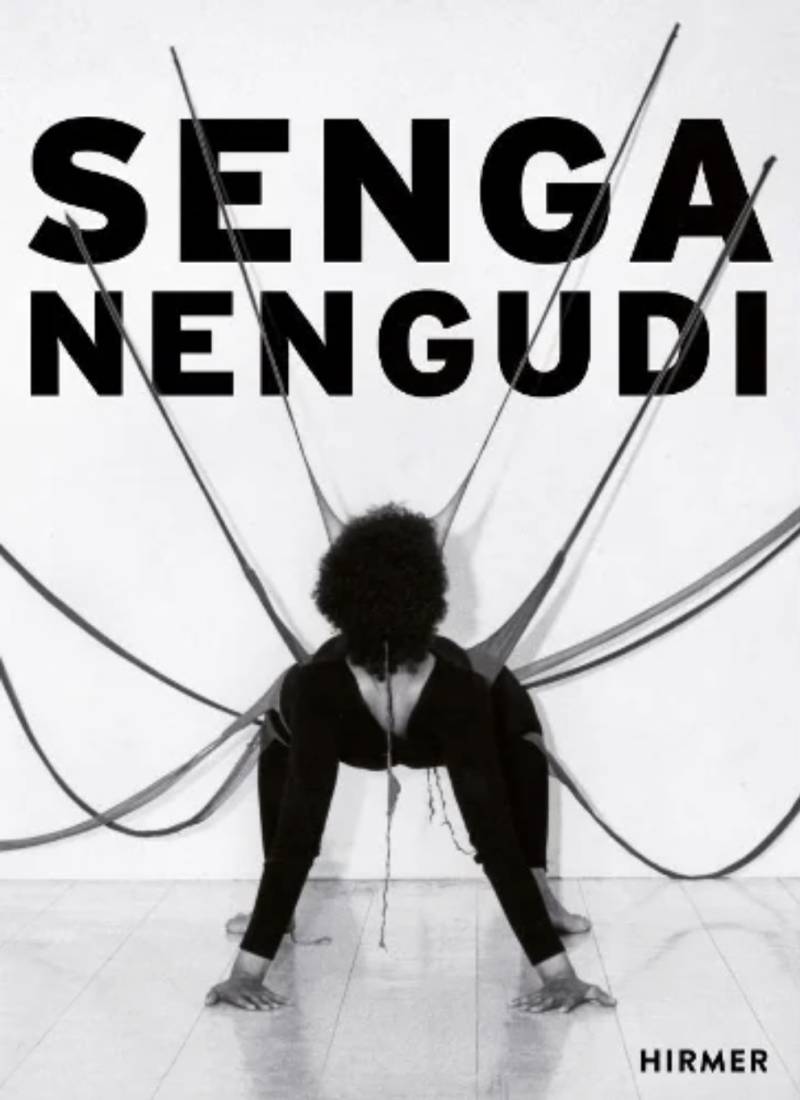
For almost fifty years, Senga Nengudi has shaped an oeuvre that inhabits a specific and unique place between sculpture, dance, and performance. And that work has been widely recognized as groundbreaking: Her iconic R.S.V.P. sculptures--performative objects made from pantyhose and materials such as sand and stone--are now part of the collections of important American museums. Thanks to newly researched material that lay fallow until now, this book brings to light astonishing early works by an artist who has consistently attempted to expand the definition of what sculpture can be. Among the bodies of work presented in the book are the Water Compositions (1969-70), interactive vinyl and water sculptures that Nengudi understood as an organic rebuttal to the reign of minimalism; early fabric works that Nengudi strung up in the back alleys of Harlem; and the suggestive R.S.V.P. sculptures (1976-today), some of which were activated in choreographed performances. Featuring newly commissioned essays by Kellie Jones, Catherine Wood, and Malik Gaines, the book offers an unprecedented view of Nengudi's career and development.
Edited by James Hoff, this publication presents a generous yet discriminating selection of Glenn Ligon's writings and interviews, most of which post-date the sold-out 2011 anthology "Yourself in the World". The new book brings major essays and interviews to a wider readership after their original publication in exhibition catalogues, art magazines, and online.
Alongside eloquent and insightful essays on cultural phenomena such as "The Wire" and artists including David Hammons, Andy Warhol, Julie Mehretu, and Thomas Hirschhorn, the book also sheds light on the artist's biography and opinions in a number of interviews. With an introduction by MoMA curator Thomas (T.) Jean Lax and a new afterword by Ligon himself.
Drawing on his own experiences and inspirations - from staging his first exhibition in his tiny Zurich kitchen in 1986 to encounters with artists, exhibition makers and thinkers - Hans Ulrich Obrist looks to inspire all those engaged in the creation of culture.
Moving from meetings with artists to the creation of the first public museums in the 18th century, recounting the practice of inspirational figures such as Diaghilev, skipping between exhibitions, continents and centuries, Ways of Curating argues that curation is far from a static practice. Driven by curiosity, at its best it allows us to create the future.
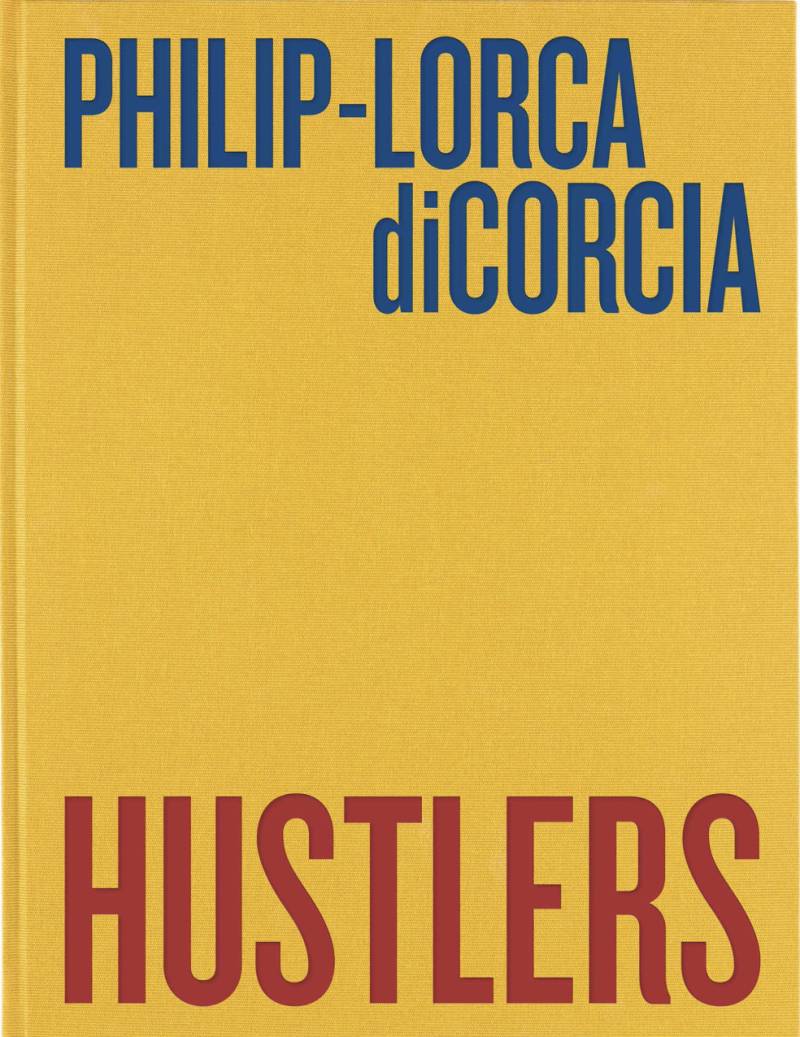
Created by Pascal Dangin in collaboration with the artist, this large-scale publication presents the now iconic Hustlers series in its entirety.
Between 1990 and 1992, Philip-Lorca diCorcia, funded by a National Endowment for the Arts fellowship, made multiple trips to Los Angeles to scout locations, invent scenarios, and ultimately find male prostitutes that would agree to pose for photographs. DiCorcia used his fellowship money to pay the men whatever price they charged for their most typical service, and ultimately prompted a complaint of misuse of government funds. The titles of these encounters amplify the facts: Ralph Smith, 21 years old, Ft. Lauderdale, Florida, and $25.
Hustlers marks the beginning of diCorcia’s engagement with street photography. Many of his works appear to depict random events in public settings, yet rarely involve chance. Knowing precisely what he wanted from each photograph, diCorcia would first try out his idea for a composition with his assistants, and then return to the location with the hustlers he had approached (usually around Santa Monica Boulevard in Hollywood), such as a motel room, a vacant lot, a fast-food restaurant, in between and inside cars. The narrative was always deliberate, and the result is a series of carefully composed, yet loaded works which revolve around a tension between the subject’s unique presence in front of the camera and the artist’s predetermined idea for the shot.
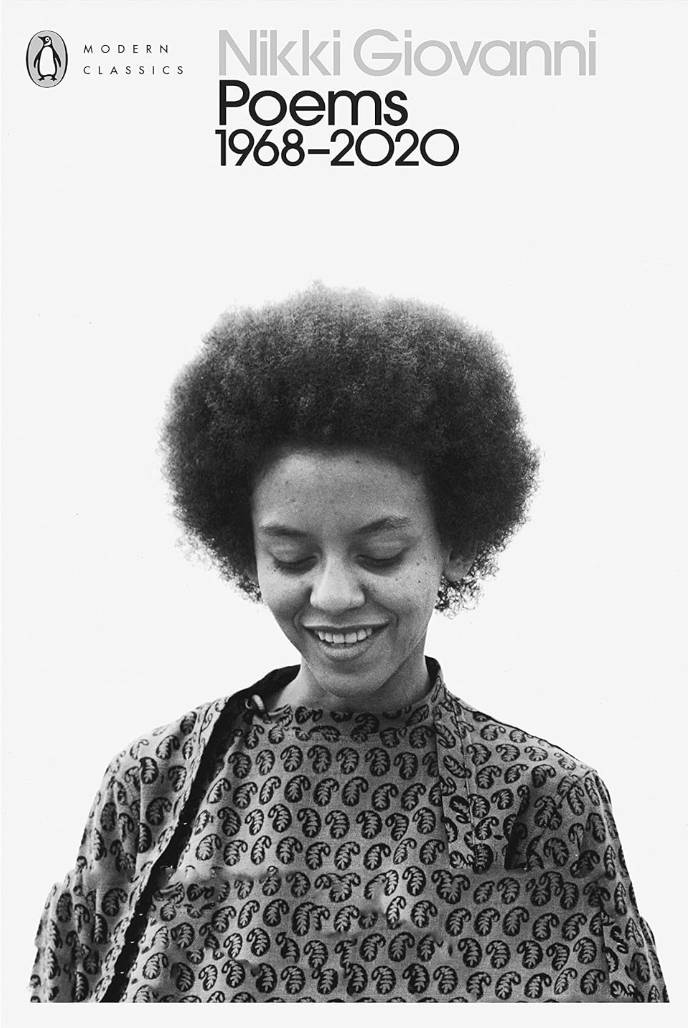
Nikki Giovanni's poetry has dazzled and inspired readers for more than sixty years. When she first emerged from the Black Arts Movement in the late 1960s, she immediately became one of the most celebrated and controversial poets of the era. Now considered a living legend, this is the first new selection since the late 1990s and offers readers a chance to be introduced to and to celebrate her incredible lifetime's work.
Giovanni’s poetry has always been a powerful expression of her ideas about love, race, politics and gender, but part of that power has also been the sensitive and intimate way Giovanni is able to bring to light the heart and soul of herself and her readers. Giovanni's poetry speaks from and to the Black experience, with Black love, Black struggle and Black joy at the centre. Arranged chronologically and spanning the entirety of her career, this selection charts not only the development of a great poet but also of sixty years of American life, bringing together motherhood and revolution, political dreams and great loves, men, women, children and community, and shows Giovanni at her essential, profound best.
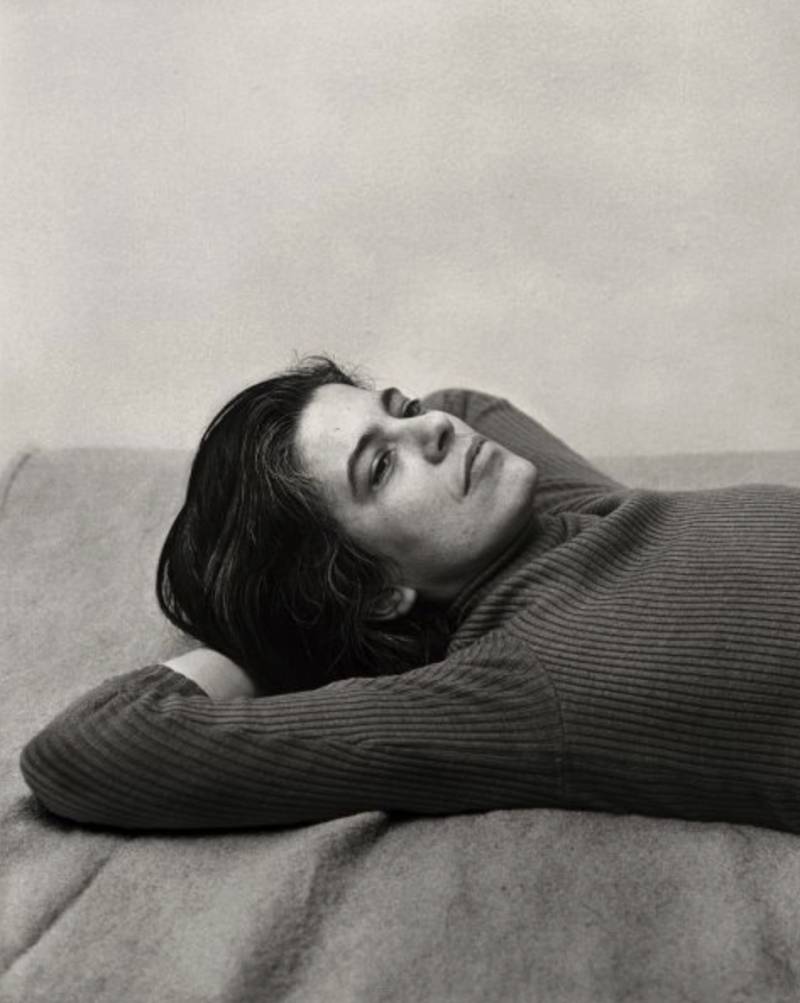
One of the most highly regarded books of its kind, Susan Sontag's On Photography first appeared in 1977 and is described by its author as "a progress of essays about the meaning and career of photographs." It begins with the famous "In Plato's Cave"essay, then offers five other prose meditations on this topic, and concludes with a fascinating and far-reaching "Brief Anthology of Quotations."
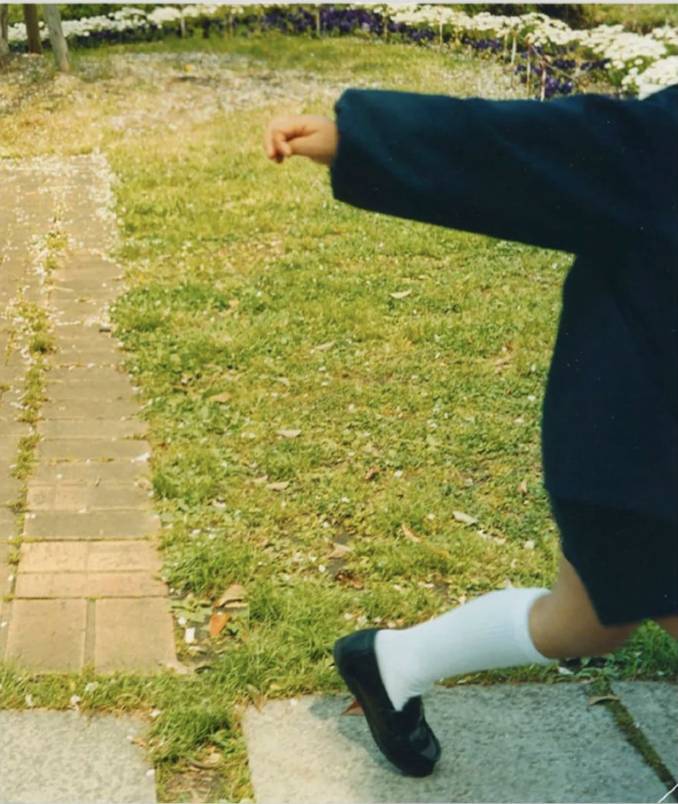
Mikiko Hara has her own way of secretly capturing the strangers who cross her path: a young man on the train, a couple holding hands, a little girl playing in a park… Sometimes their eyes meet briefly as she presses the shutter, but Mikiko Hara does not exchange with her subjects. Yet, these portraits reveal something infinitely personal, as if the photographer and her subjects were bound by an invisible pact: being in the right place at the right time.
Mikiko Hara’s approach, firmly rooted in a documentation of everyday life, extends in the intimacy of her living space: cut flowers in the sink, a strawberry shortcake in the fridge, her three sons dozing on the floor. The eye of the photographer, who is also a mother and wife, moves back and forth from the outside to the inside, from the public to the private sphere. Wherever she is, Mikiko Hara observes and tells stories like fragments of life.

Mike Brodie’s first monograph, A Period of Juvenile Prosperity, touched down more than decade ago, depicting his fellow rail-riders and drifters in a rebellious and wildfire pursuit of adventure and freedom. « Brodie leapt into the life of picture-making as if he was the first to do it, » Danny Lyon wrote about the book in Aperture. Next came Tones of Dirt and Bone, a collection of earlier SX-70 pictures Brodie made when photography first led him to hopping freights, when he was known as « The Polaroid Kidd. » And then Brodie seemed to disappear from the art world as suddenly and mysteriously as he’d first appeared. Maybe his vanishing was another myth. Maybe it was just a necessary retreat. « I was divorcing myself from all that, » he says. « I was growing up. I was pursuing this other life. »
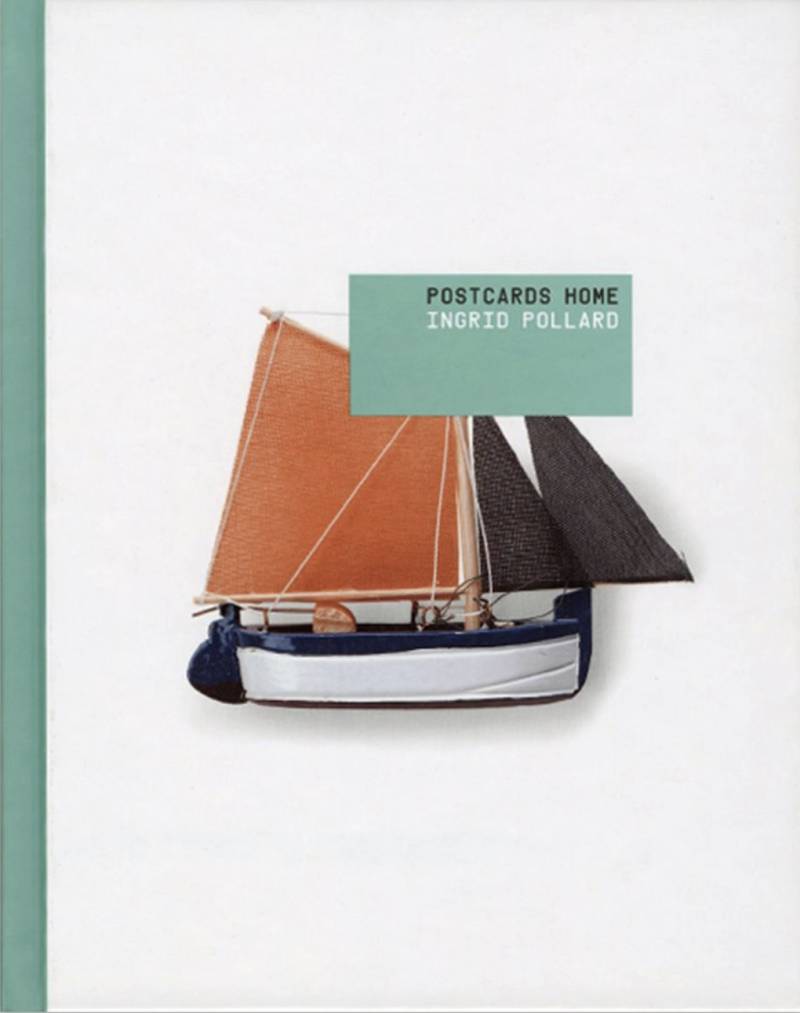
Ingrid Pollard has defined her work as ‘a social practice concerned with representation, history and landscape with reference to race, difference and the materiality of lens-based media’, often questioning social constructs such as Britishness, or the notion of home and belonging.
Steeped in an ambiguous heritage of Wordsworth and the Romantic Poets, her photography has explored the beauty of the English landscape and coastline, alongside the memories hidden within Britain's history and its relationship to Africa and the Caribbean. Her interest in the layers of history is echoed in the accomplished use of 19th century photographic techniques.
Several of the artist's projects are brought together in this monograph, each with a text by Gregory sharing her thoughts and process behind the work.
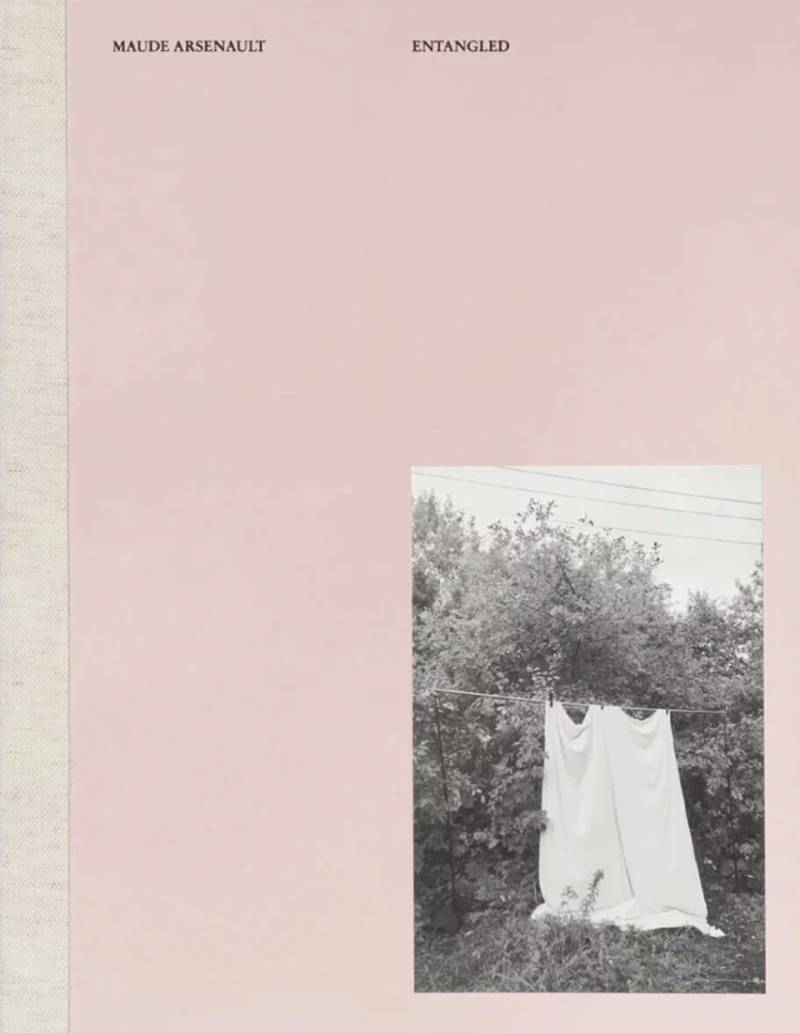
Entangled encapsulates a pivotal moment for Maude Arsenault’s work, representing a shift in perspective and personal responsibility. “After years dedicated to creating glorified images of women,” she says of her success in fashion photography, “I came to question my role and influence in the transmission of models of femininity.” Albeit informed by a progressive, non-binary upbringing, this introspection is ultimately necessary now – in the context of motherhood as she raises three children including a young woman. When speaking about Entangled, Arsenault invokes the French word carcan – meaning “ploy,” or “ambush,” or “ideological trap” – to explain the underlying motivation for making the spare and evocative pictures in this debut monograph. By which she means that becoming an adult and a parent have given her distance and perspective on the cultural demands made on the bodies and societal roles of young women, and particularly on life choices which have been constricted or even foreordained. Arsenault calls the work “a poem, an ode, a shout out,” and one senses that the quiet power of the book lies in contradictions still unresolved even as the author gains in experience and independence.
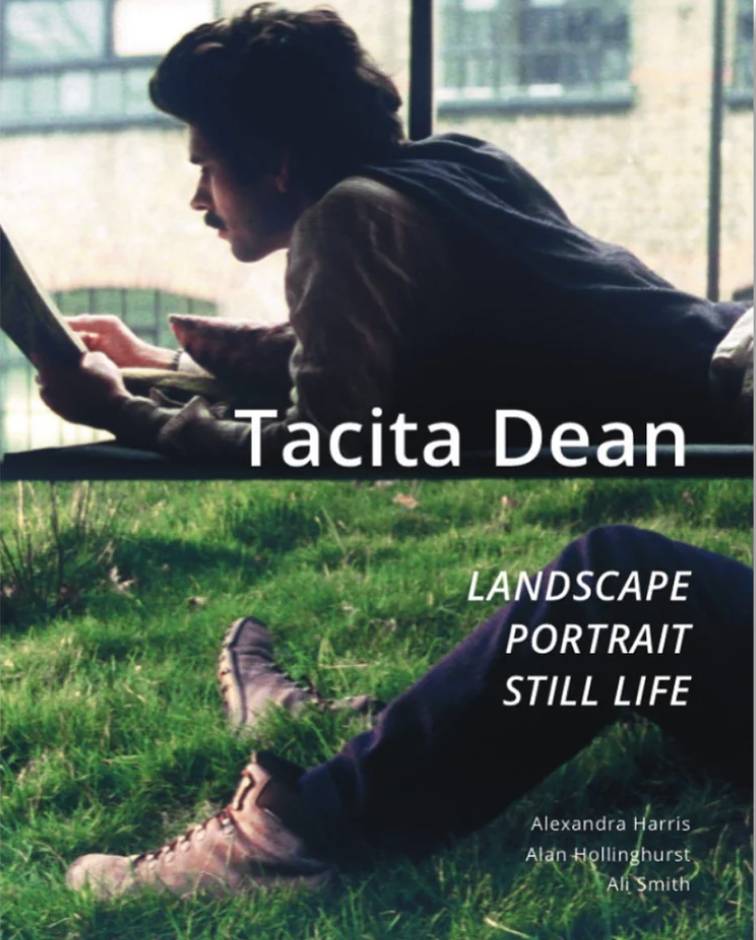
British artist Tacita Dean (born 1964) first came to the attention of the art world with her surrealistic 16-mm film “The Story of Beard” (1992), making a name for herself as part of the Young British Artists generation―even if Dean’s slow, subtle films would seem to have little in common with the raucous works of her peers. Dean was nominated for the Turner Prize in 1998 and has since been a vocal advocate for the medium of film.
In 2018, Dean brings major exhibitions to three of London’s leading art institutions: the National Gallery, the National Portrait Gallery and the Royal Academy of Arts. Each exhibition will provide an encounter with the filmmaker’s work through a different lens: landscape, portrait and still life. Tacita Dean: Landscape, Portrait, Still Life unites the three exhibitions in one stunning survey volume. Works drawn from Dean’s entire career to the present day are brought together with texts by leading writers Alexandra Harris, Alan Hollinghurst and Ali Smith providing unique insights into Dean’s vision.
Tacita Dean: Landscape, Portrait, Still Life, published at a career-defining moment for the artist, provides a new and authoritative view on a hugely influential filmmaker who has been at the cutting edge of British art for over 20 years. The book is published with three different covers
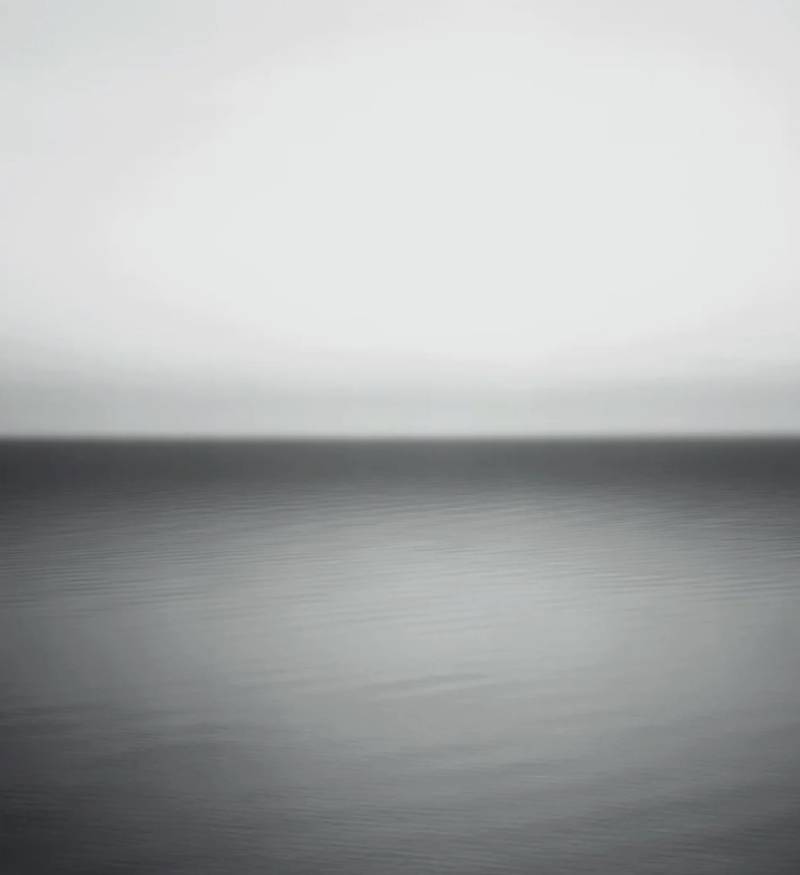
This volume is considered the seminal Sugimoto survey—a mission statement of his minimalist aesthetic and philosophical exploration of time, light, and memory. High‑quality printing on thick coated paper brings out the hyper-clarity of his large-format work, making it a must-have for collectors and photography aficionados
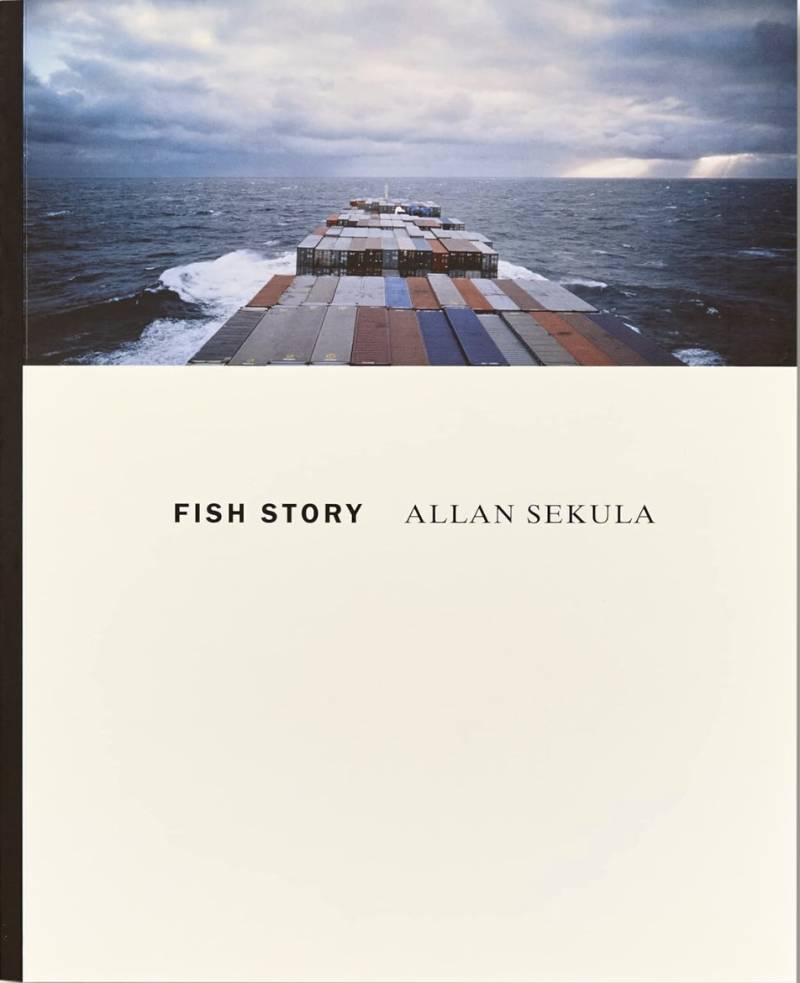
American artist and writer Allan Sekula spent seven years photographing harbors and port cities around the world. Starting out in Los Angeles and San Diego, he traveled as far as Korea, Scotland, and Poland, photographing the prosperity, poverty, and political powers that continue to play out in major port cities across the world. The result was Fish Story, a seven-chapter illustrated tomb with more than 900 color photographs, that questions what remains of our port cities in the wake of a globalized economy.
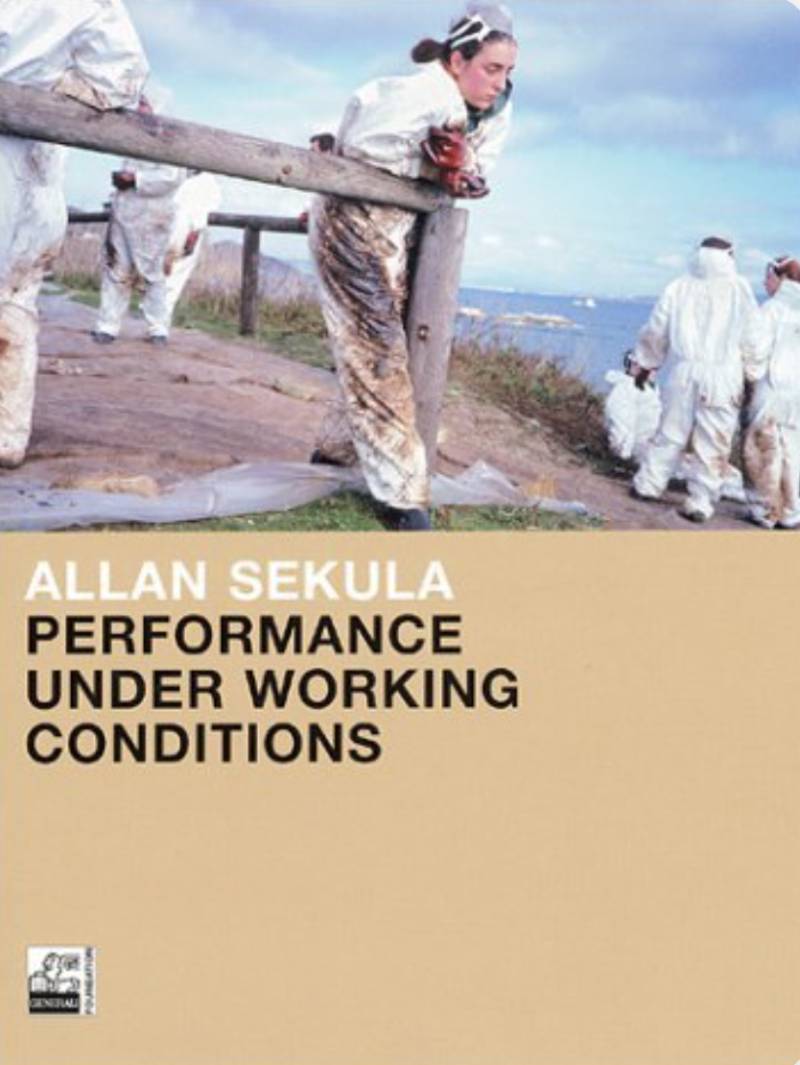
Allan Sekula has devoted his artistic and documentary oeuvre to researching and recording the world of labor and its transformation in the face of the global economy. From early performances enacted as part of the California anti-war movement to his latest work, Black Tide , which documents the Prestige oil tanker disaster on the Gallic coast of Spain, this volume presents a comprehensive overview of Sekula's visual work and texts. In addition to a retrospective look at his artistic and documentary projects, Performance Under Working Conditions will collect Sekula's important theoretical writings on photography, including texts from Photography Against the Grain.
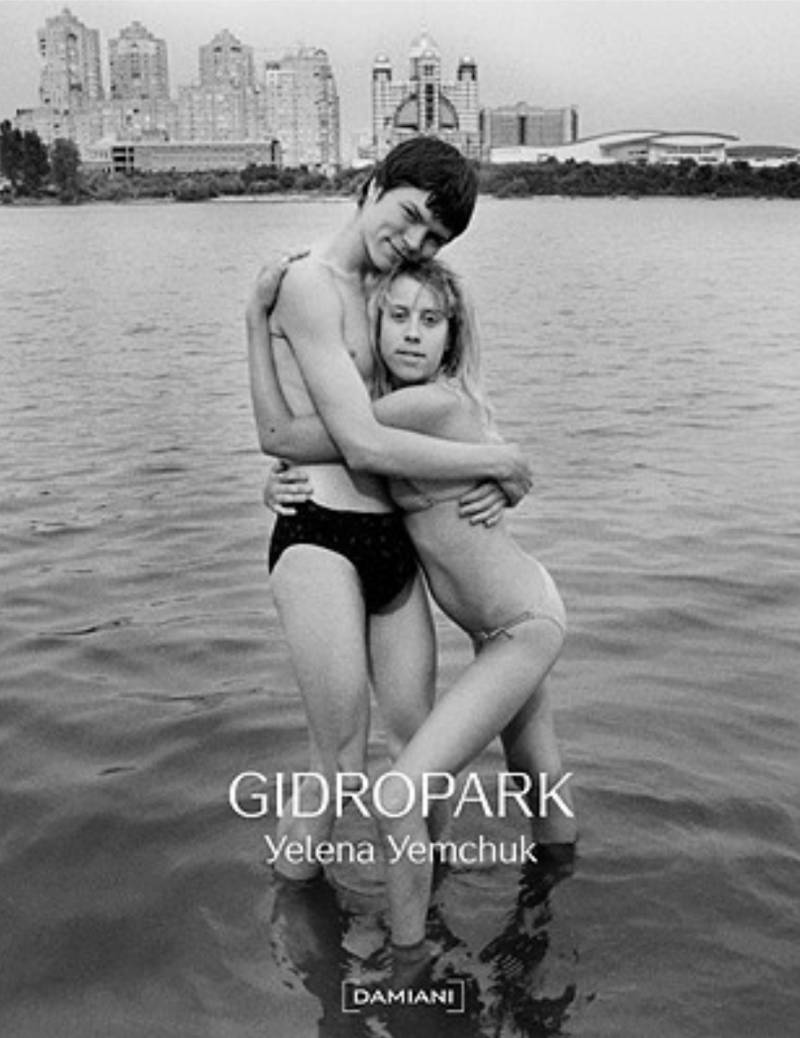
Photographer and painter, Yelena Yemchuk is most commonly known for her fashion and portrait photographs. Yet her personal work, usually shot on a 35mm camera while traveling around the globe, has rarely been seen. On one such trip to her hometown of Kiev, Ukraine, Yemchuk visited Gidropark, an island on the Dnieper River that she frequented as a girl. On the beaches, sports grounds and woodlands that populate the park, she found herself face to face with the characters and faces that she continually searches for. Taken over three summers between 2005 and 2008, Yemchuk captures life in Gidropark as only she can portray it. Families stripped down to their bathing suits (or even less) enjoying a picnic take on a Felliniesque quality through her lens. Each image is an exquisite film still, giving the viewer not only the image on the page, but richly creating an entire storyline of its possible before and after. Yelena Yemchuk was born in Kiev, and immigrated to the United States with her parents when she was eleven.
This collection of essays by Martin Herbert considers various artists who have withdrawn from the art world or adopted an antagonistic position toward its mechanisms. A large part of the artist’s role in today’s professionalized art system is being present. Providing a counterargument to this concept of self-marketing, Herbert examines the nature of retreat, whether in protest, as a deliberate conceptual act, or out of necessity. By illuminating these motives, Tell Them I Said No offers a unique perspective on where and how the needs of the artist and the needs of the art world diverge. Essays on Lutz Bacher, Stanley Brouwn, Christopher D’Arcangelo, Trisha Donnelly, David Hammons, Agnes Martin, Cady Noland, Laurie Parsons, Charlotte Posenenske, and Albert York.
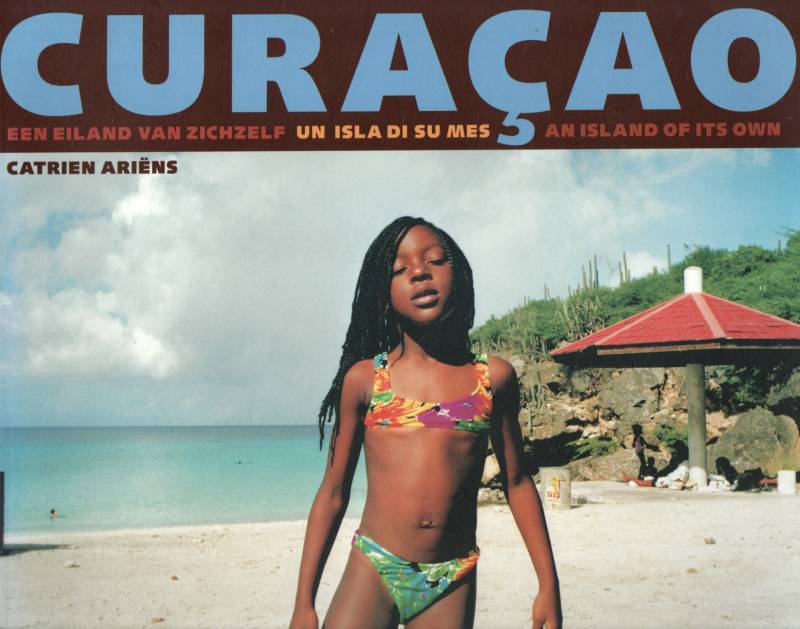
Photographer Catrien Ariëns portrays Curaçaoan society with impressive observational skills and a remarkable eye for what happens between people. "I think the book should be about its own strength, the vitality of the island and its people," says Catrien Ariëns about her project, which she has been working on since 1995. In more than a hundred photographs, all in color, she demonstrates how successfully she has accomplished this.
Curaçaoan author Frank Martinus Arion, whose novel "Double Play" partly inspired Ariëns's project, wrote an introductory text especially for this publication.
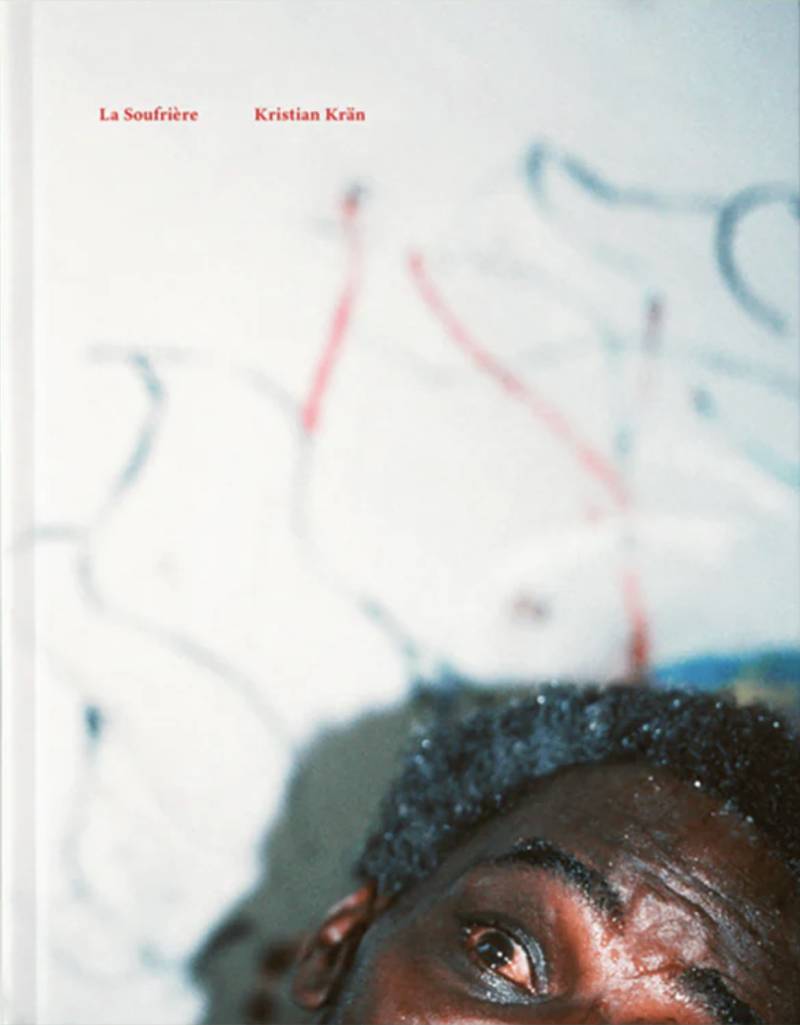
La Soufrière captures a poignant reunion between a father and son after 25 years apart. Swedish photographer Kristian Krän travels to the island of Guadeloupe in the Caribbean to meet his father, Arthur — a meeting that turns out to be both their first and their last. Arthur had left the family when Kristian was just two years old. It was only years later that Kristian learned of his father’s existence and his longstanding mental illness.
To meet Arthur and gain understanding, Kristian journeys to Basse-Terre, the capital of Guadeloupe, a quiet town with a shrinking population of around 10,000. Over the course of a week, they explore the island together, visiting places Arthur wants to show Kristian. Communication is difficult, as Kristian’s understanding of Guadeloupean Creole French is limited. Instead, they spend much of their time bonding through music. Kristian’s camera becomes an essential bridge between them, serving as both a means of connection and a source of comfort.
One day, they hiked to the top of the volcano La Grande Soufrière. Arthur, dressed in a blazer and flip-flops, kept vanishing and reappearing in the mist. The volcano, a place where some of their most significant memories were made, inspired the book’s title. The word “soufrière” comes from the French “soufre,” meaning sulfur or to sulfurize—a kind of sulfurous condemnation. Phonetically, it closely resembles “souffrir,” the verb meaning to suffer and endure.
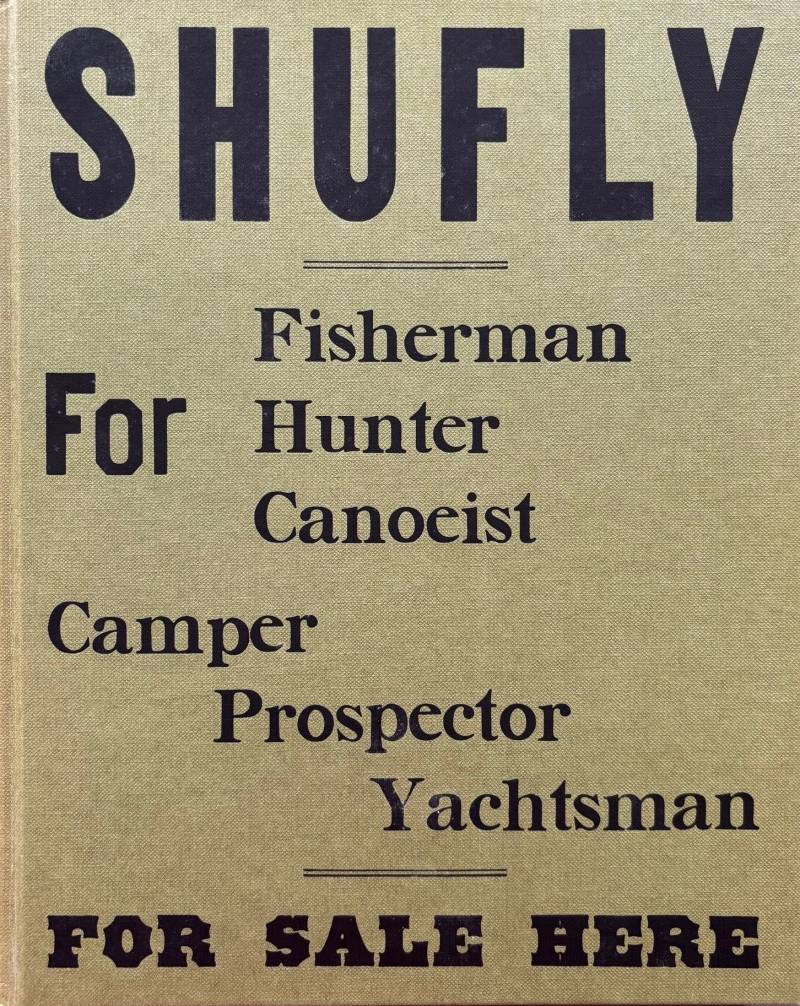
New York: Robert Miller Gallery and Little Bear Press, 2000. First edition. Hardcover. One of only 3000 copies printed. A collection of his color and black and white photographs accompanied by excerpts from the works of S.E. Hinton, Muhammad Ali, Robert Frost and with a quote from Zane Grey. A close to near fine copy with some very slight wear and minor bumping to the spine ends. A nice copy of one of Weber's better books.
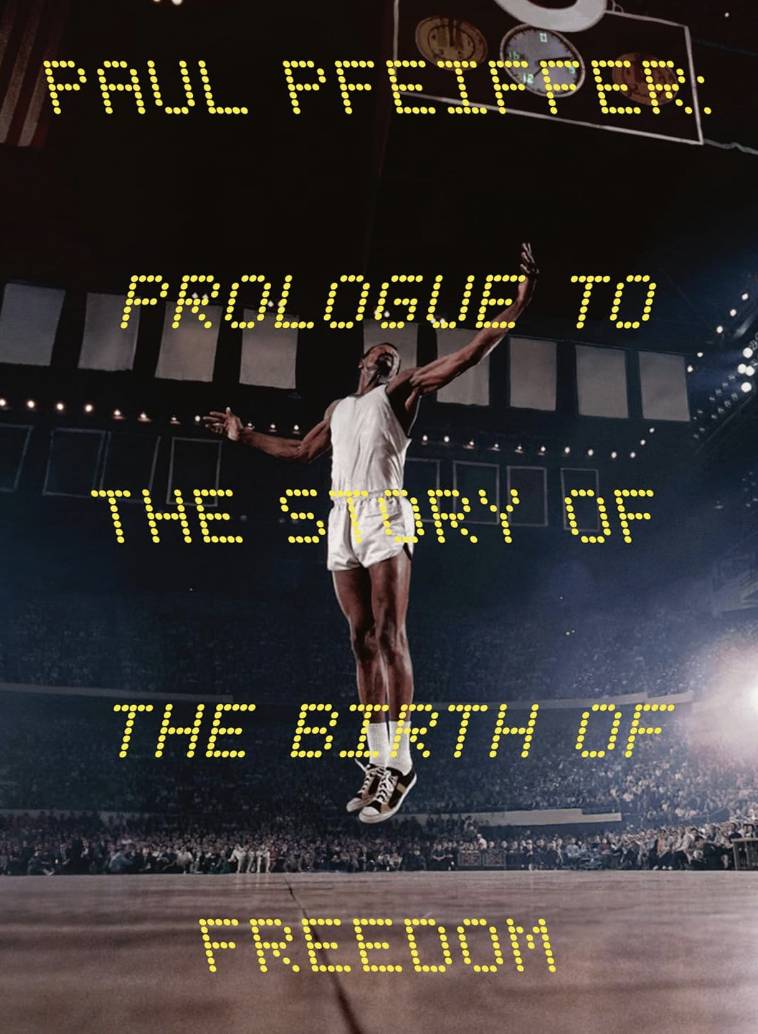
This richly illustrated catalog accompanies the first US retrospective of Paul Pfeiffer’s acclaimed multi-disciplinary practice at The Geffen Contemporary at MOCA. Presenting era-defining photo and video works alongside his latest experiments in sculpture and installation, this volume reflects Pfeiffer’s use of a wealth of recent technologies to dissect the role that mass media plays in shaping consciousness. Throughout his work, Pfeiffer interrogates how images might shape the spectators who consume them. In his own words: ‘The question always comes up: who’s using who? Is the image making us, or do we make images?’ His works mediate on faith, desire, and the ways both are enmeshed in a contemporary culture transfixed by celebrity. This authoritative volume spans twenty-five years of practice and includes essays by Clara Kim, Paula Kroll, and Tom Gunning as well as conversations with the artist and Chanon Kenji Praepopatmongkol and with the artist, Julie Mehretu, and Lawrence Chua.
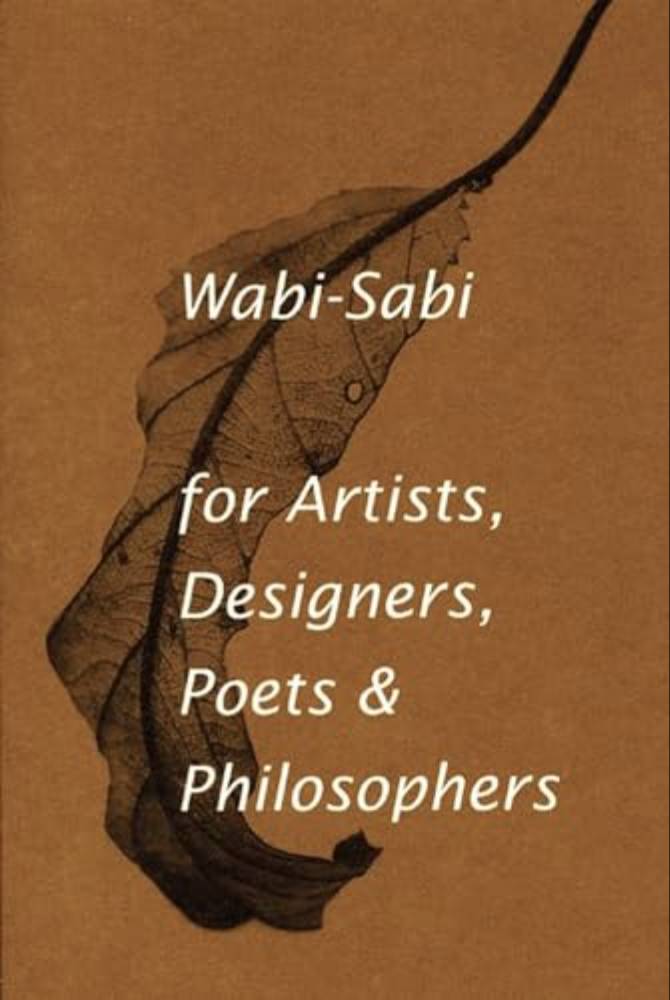
Wabi-sabi is the quintessential Japanese aesthetic. It is a beauty of things imperfect, impermanent, and incomplete. It is a beauty of things modest and humble. It is a beauty of things unconventional. Leonard Koren was trained as an architect but never built anything – except an eccentric Japanese tea house – because he found large, permanent objects too philosophically vexing to design. Instead he founded avant-garde magazine Wet and currently writes and publishes books about design.
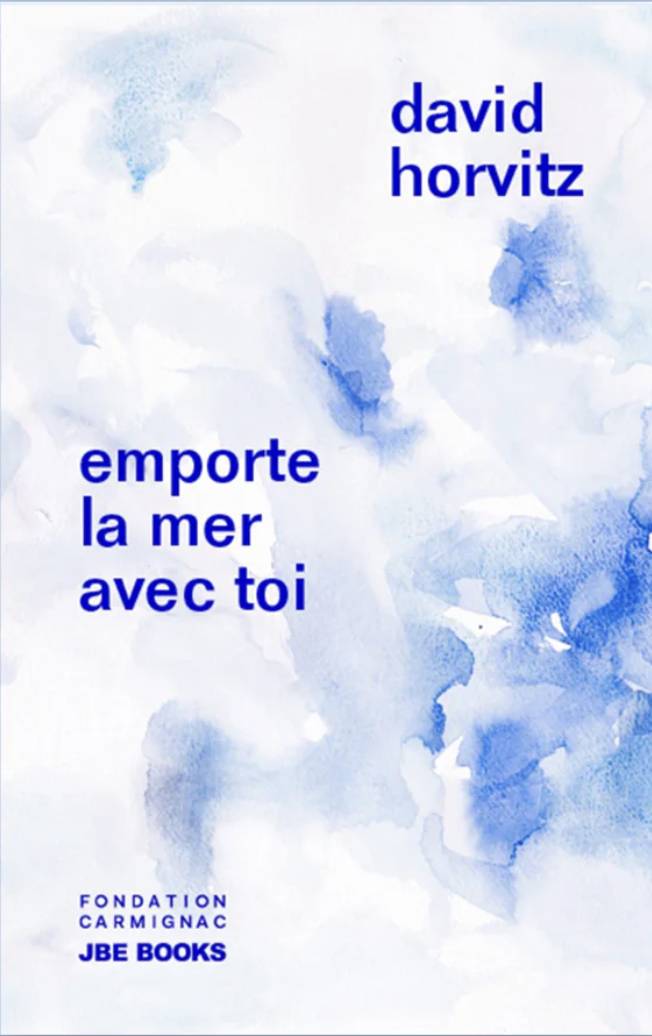
Adjust the level of the sea is a poem by David Horvitz, composed of 156 waves of thoughts and actions to be realized in contact with the sea.
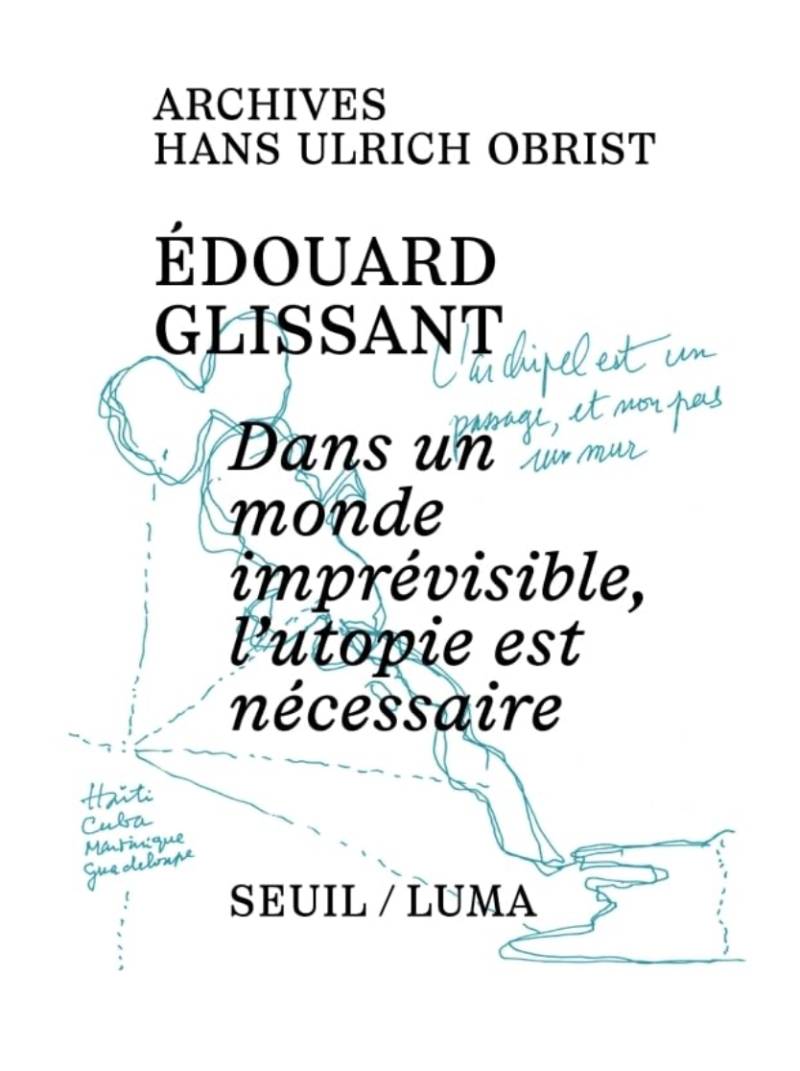
Hans Ulrich Obrist and Édouard Glissant met in Paris in the late 1990s. This marked the beginning of an exceptionally intense relationship, which led to over a dozen public conversations and private interviews.
Obrist’s projects—whether exhibitions, performances, collective publications, his approach to interviewing and archiving, or the creation of new spaces and decentralized practices—draw direct inspiration from the concept of Mondialité, understood as a continuous process of creating connections. Édouard Glissant became a fundamental mentor for him.
Presented here for the first time are several of their conversations, held in different contexts, which underscore Glissant’s literary, philosophical, and political significance. His notion of the archipelago continues to inspire contemporary thought and research across many disciplines.
This set of dialogues responds to a growing demand in the fields of art, critical thinking, activism, and literature. The collection is further expanded through archives and contributions by artists.
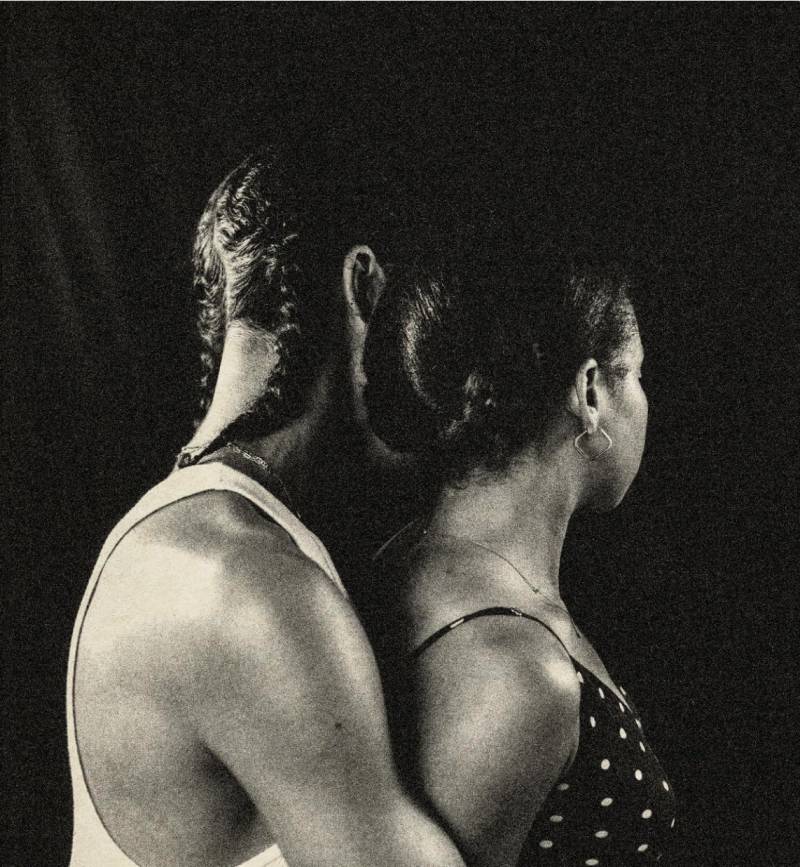
"A year and change into father's diagnosis, his nightly calls began to become more frequent. My sister and I, his youngest children, spent countless hours in his room caring for him as his body gave up. Many nights we'd leave his room both knowing his condition was getting much worse, but we chose to say nothing of it."
I can't stand to see you cry is an exploration of Texas and the surrounding states, as well as the people who are fixed within its complex landscape. Fortune analyses relationships between family, friends and strangers, all caught in a flood of health and environmental issues while working to maintain grace. The artist uses his own personal experiences to explore the friction between public and private life, and the unspoken tensions in daily life through an approach rooted in the landscape. Moreover, Fortune’s biographical approach to photography attempts to unpack his own identity and experience in the midst of a pandemic, civil unrest, a cross-country move, a career, and the loss of a parent, thinking about both the future and past.
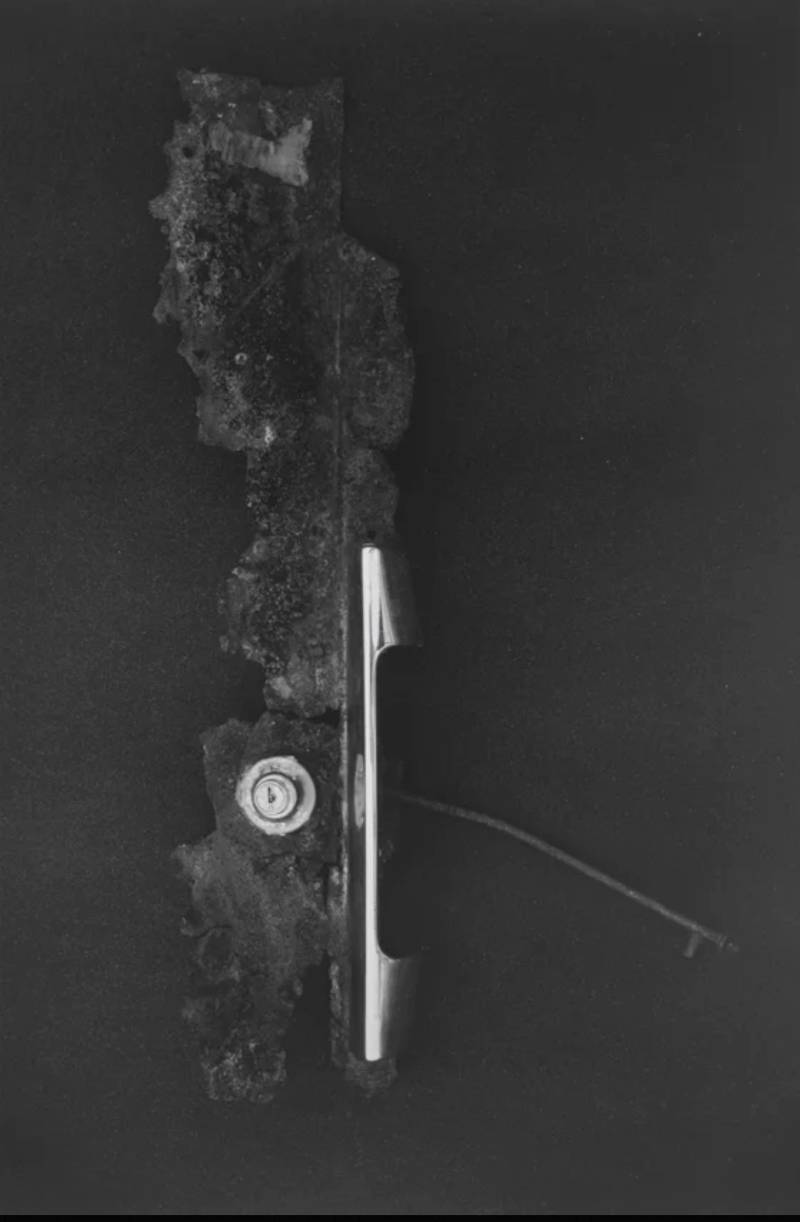
In 1990, photographer Hiroshi Sugimoto visited the seas of New Zealand. On one particular deserted beach, he discovered hundreds of car parts, probably from the 1960s, disintegrated and corroded by decades under the waves. Photographing them individually, he imagined that human civilization had ended, thinking that the sight of crafted objects rotting away is at once dreadful and beautiful. This series of heavily black-and-white images of decaying metal on the sand are reproduced in this large-format photo book, accompanied by an introspective text by Sugimoto on the nature of the sea and the inexorable, practically incomprehensible, passage of time.
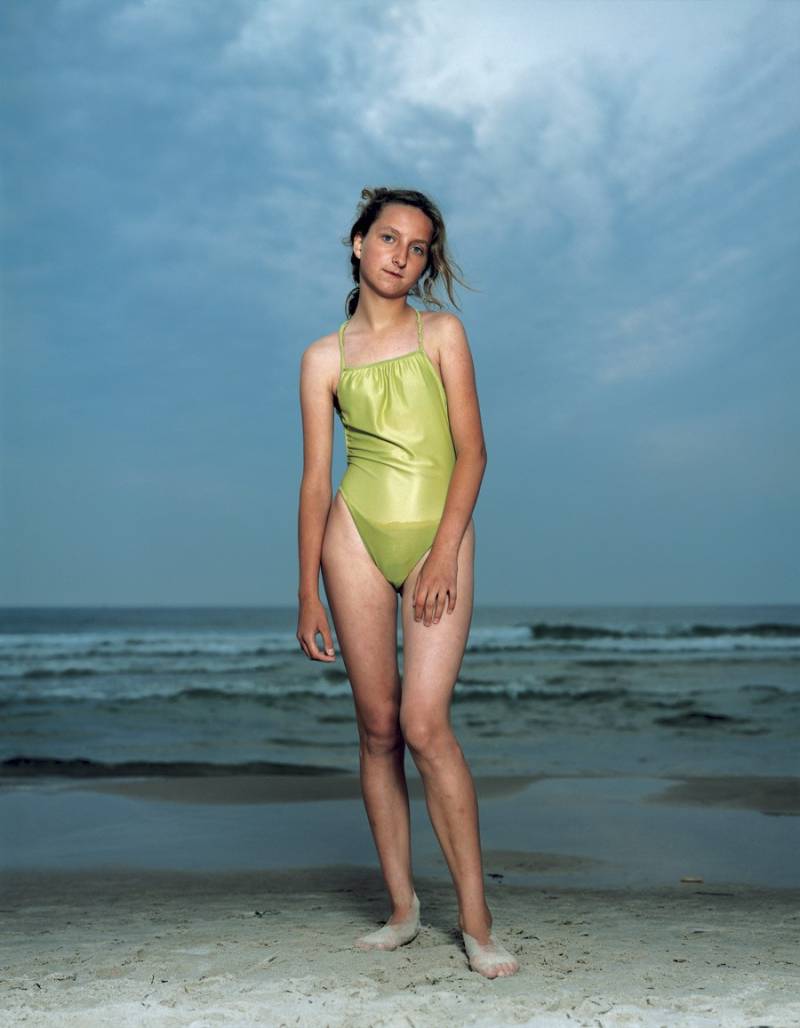
Rineke Dijkstra is renowned for her uncanny and thoughtful portraits series of teenagers and young adults: girls and boys of various nationalities at the beach, children of Bosnian refugees, Spanish bullfighters straight out of the arena, Israeli youngsters before and after military service, and here, documented for the first time, her series of photographs taken of aspiring, young ballet dancers. Her subjects are shown standing, facing the camera, against a minimal background. Formally, the images resemble classical portraiture with their frontally posed figures isolated against minimal backgrounds. Yet, in spite of the uniformity in the photographer's works, there is a marked individuality in each of her subjects. Dijkstra often deals with the development of personality as one moves from adolescence to adulthood, or through a life-changing or potentially threatening experience such as childbirth, or a bullfight. Portraits includes the photographer's new Ballet School series.
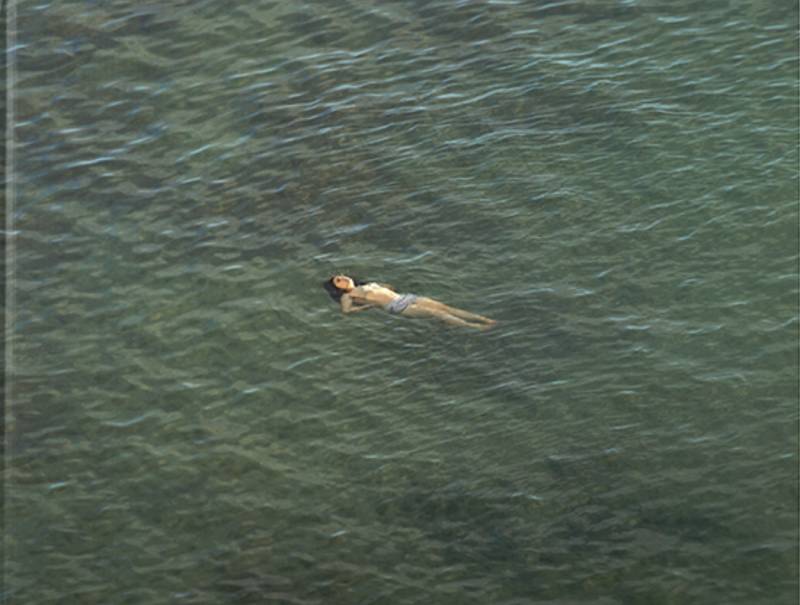
Since the publication of Richard Misrachs best-selling and critically acclaimed publication On the Beach, he has continued to photograph at the same location. The Mysterious Opacity of Other Beings focuses less on the abstraction of water, sand, and mote-sized figures, instead honing in on the gestures and expressions of bathers adrift in the ocean, at play or in poses ranging from relaxation to transcendence. This work is his first to focus exclusively on the human figure. Each photograph features one or more individuals crisply rendered from a distance, as they seem to levitate among turquoise waves, isolated from everything save the shifting patterns of the ocean. There is ambiguity and a sense of the uncanny in the figures suspended in the water: are they approaching the shore or moving away from it? Each image is presented both as full frame and as a series of enlarged details that enable the viewer to linger on each individuals complete surrender of their body to the seaa seductive melding of human and nature.
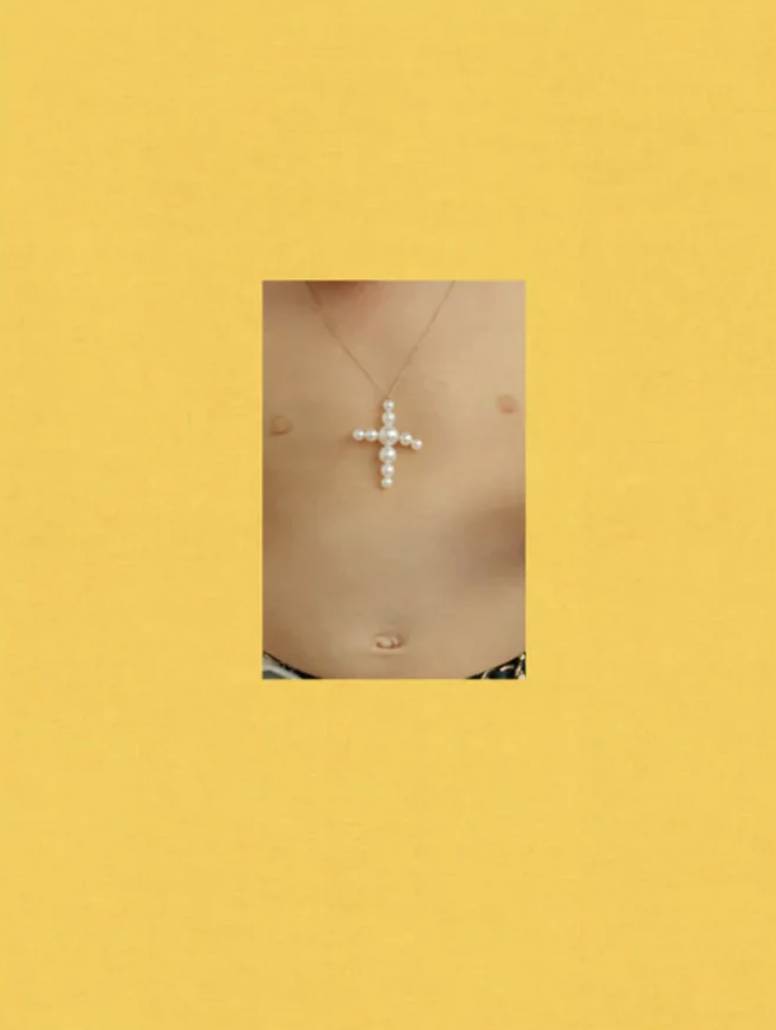
The latest collection of work by Talia Chetrit riffs insouciantly on themes of life, death, and birth through a variety of visual languages. In JOKE, Chetrit brings together family photos, street photography, still lifes, selections from the artist’s teenage archive, and expansive self-portraits involving a cast of characters who feature as both engaged and unwitting collaborators.
Referencing a wide range of photographic tropes and traditions, Chetrit studies the power dynamics between photographer and subject as they spar and collude. JOKE deals in high humour and deadly seriousness, plunging us into a world in which social roles are inverted, norms are examined, judgements of taste and value are suspended, and everything coalesces, dead and alive, true and false, sincere and affected.
The first full presentation of Bourouissa’s important series revisits and contextualises the artist’s theatrical images of marginalised lives in Paris’ outskirts.
Périphérique was completed from 2005-2008, in the context of unprecedented riots and violence in the French banlieues against social inequality. This landmark publication of the Périphérique series in 2021 looks back on the work’s original context in light of still-prescient social, economic and political issues, through the eyes of two newly-commissioned texts by Taous R. Dahmani and Clément Chéroux. This first publication of the series in full mines Bourouissa’s archives, with more than sixty pages of unseen preparatory photographs that reveal how the artist’s meticulous process of observation, preparation and collaboration with his subjects shaped this unique and bold body of work.
In this series Mohamed Bourouissa chose to appropriate the codes of history painting by staging scenes with his friends and acquaintances in the Paris banlieues where they used to hang out. Confrontations, gatherings, incidents, looks, and frozen gestures all suggest a palpable tension. Invoking Delacroix as much as Jeff Wall, Bourouissa’s high drama in the outskirts of Paris attempts to give a place in French history to individuals usually neglected and overlooked in contemporary society. In Périphérique, Bourouissa uses staging to critique stereotypical representations of these individuals, engaging with and parodying media representations of the banlieues and their inhabitants.
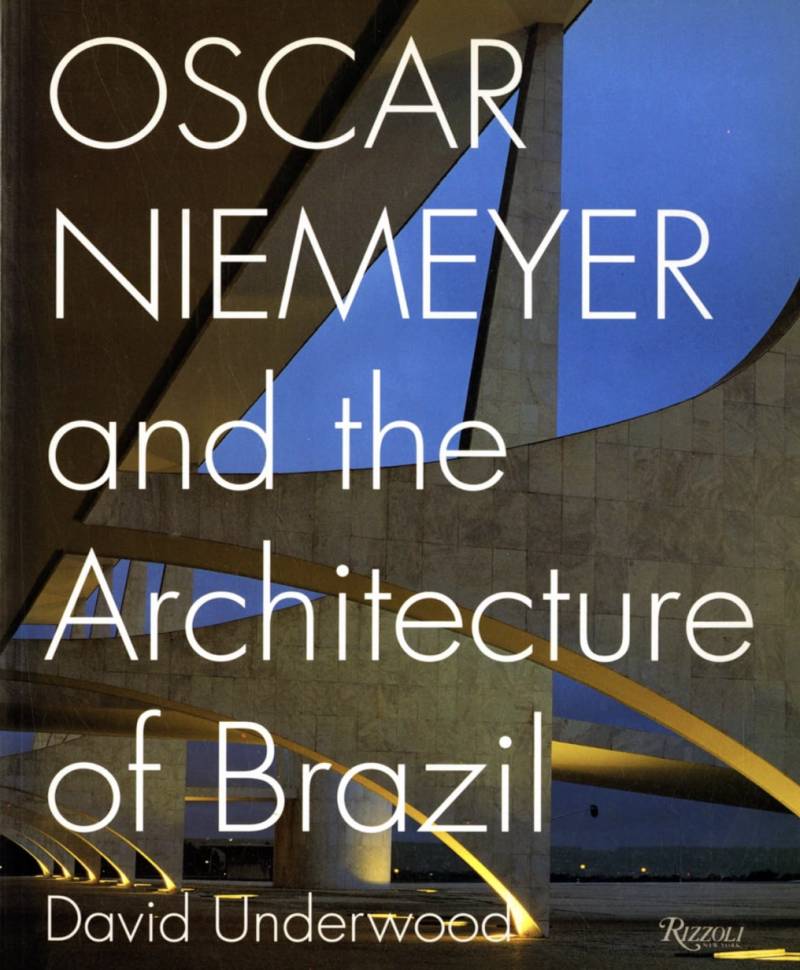
Oscar Niemeyer, born in 1907, is widely considered this century's leading Latin American architect, as well as one of the pioneers of modern architecture. This volume explores the major themes and sources of the most important works from all phases of Niemeyer's career, from the early collaborations of the 1930s and 1940s with Lucio Costa, the spiritual father of Brazilian modernism, to the 1989 Memorial da America Latina in Sao Paulo, a complex that reveals the maturation of Niemeyer's free-form style in the service of his utopian vision. A central theme of Niemeyer's work has been its reflection of the Brazilian jeito, a sinuous and improvisational style manifested in everything from the country's sensual, undulating landscape to its attraction to spontaneous impulses, best known through its vibrant music and dance. The jeito and the milieu of Rio de Janeiro lie at the heart of Niemeyer's free-form style, which emphasizes the inherent plasticity of the native curve over the rigid rectilinearity of the International Style in Europe. A second theme treats the influence on Niemeyer of the poetic style of Le Corbusier. Also considered are Niemeyer's attraction to surrealist biomorphic forms and his desire to express a sense of the fantastic in architecture. A final theme is Niemeyer's search for an aesthetic utopia that would resolve social dilemmas by wishing them away through architecture. Herein lies Niemeyer's strength, for as his architecture reflects the multiple dichotomies of the Brazilian experience, it projects an emotive universality that few architects have been able to achieve.
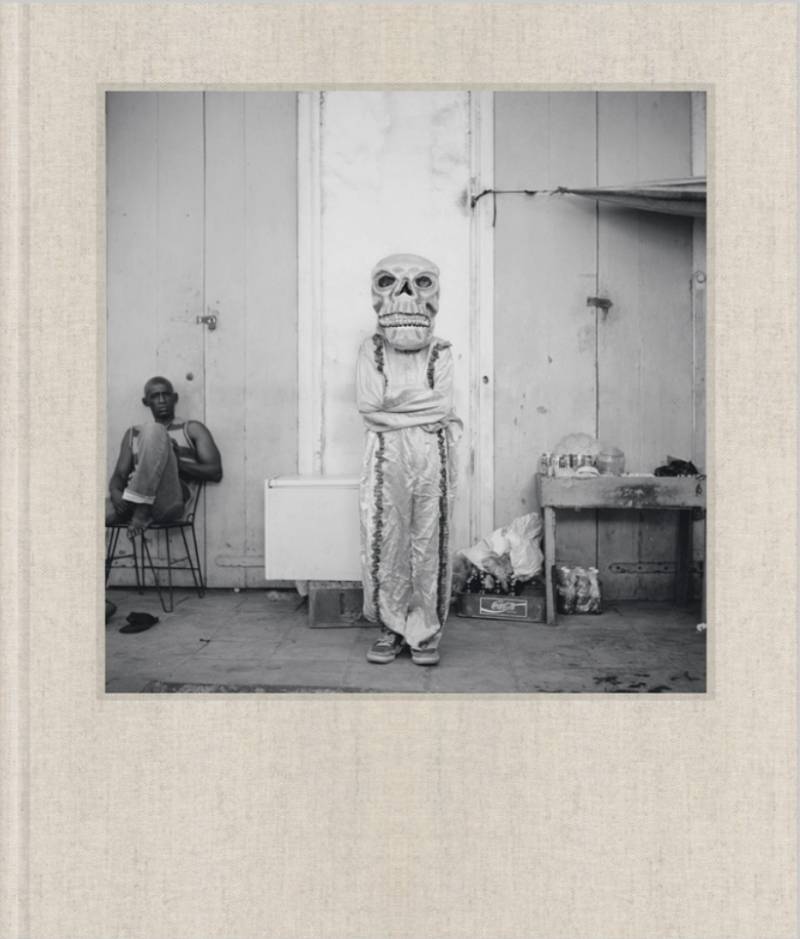
‘Before Carnival, you never sleep, always dreaming of bringing pleasure, innovation and creation.’
– Fanel Saint-Helere & Frantz Denoujou (Flanbo Mardi Gras troupe)
Leagues away from the sequinned, sanitised, corporate-sponsored carnivals found elsewhere in the Americas, the Madigra troupes of the Haitian port town of Jacmel enact and subvert myth, legends and the nation’s own histories, their improvisational costumes and surreal narratives a Vodou-charged blend of folk memory, political satire and personal revelation.
Here the Zèl Maturin, satin-clad devils in papier-mâché masks, hinged wooden wings clapping on their backs, do battle against Sen Michèl Arkanj and his army of pastors; further on the Chaloska in their cows’-tooth-adorned masks transform the feared early twentieth-century police chief Charles Oscar Étienne into a metaphor for the corrupting nature of absolute power.
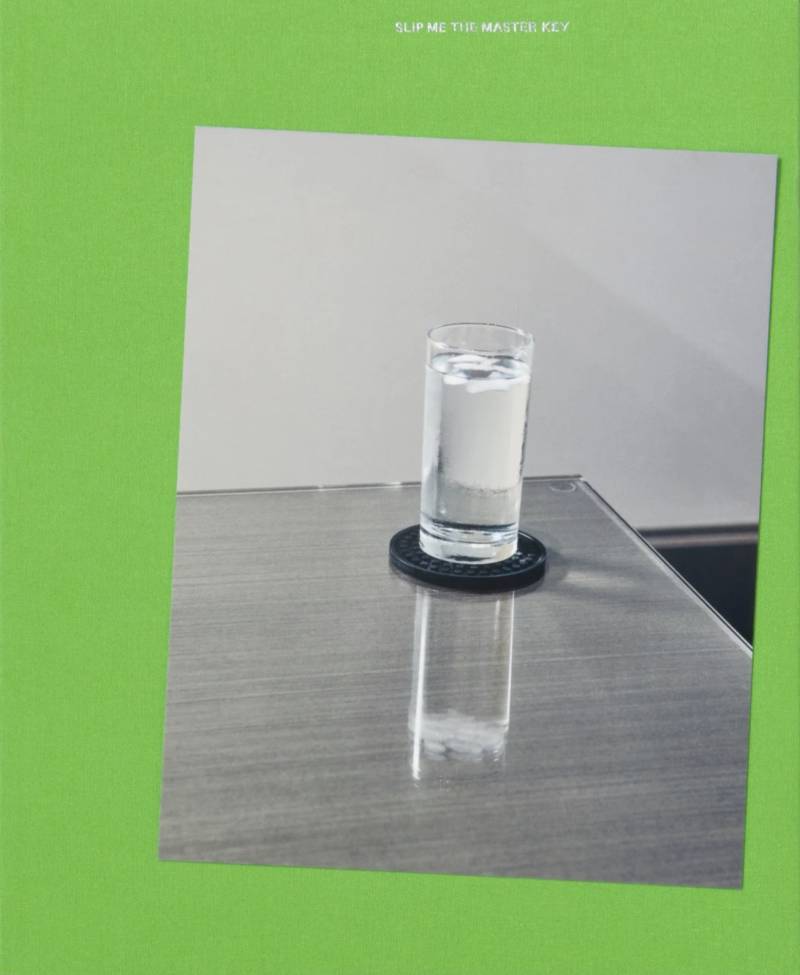
Prior's sharp images have a connecting thread of the American uncanny, often looking into the bleeding edge of technology, environment, capitalism, and culture to evoke an anthropocentric vision that's sublime in its consistency and composition. Prior’s detailed style moves fluidly between commissioned and personal work to find a subtle dissonance that captures the tremors of Western life at the edge, speaking in their stillness to hidden dynamics of power, change and control in the 21st Century.
In Slip Me the Master Key, Prior’s photographs operate like quiet alarms where messages lurk just below the surface. His subject matter is dizzying: the National Pyrotechnic Festival in Mexico, a quantum supercomputer, a COVID-era morgue truck inauspiciously parked on a Manhattan street corner, empty vats of Adderall, the deepest snow in the world, microplastics, the blood and sweat of a boxer mid-punch, a cloned dog, a strip of land in the Maldives close to being lost to the rising tide. Gathered together and placed in a careful procession, Slip Me the Master Key reveals the strange beauty and charged stillness of a world tipping sideways.
In many ways, this rising tide is the subject of Prior’s constellation of images; the shifts, gradual yet irreversible, that send the world hurtling into a precarious future. Prior’s oblique approach, cool restraint, and curiosity point toward that future, already in motion. Drawing together both the macro forces shaping our world and the minuscule moments that betray its emotional weight, Slip Me the Master Key offers a chilling yet sublime vision of the Anthropocene in which Prior articulates the unspeakable tensions of the present moment.
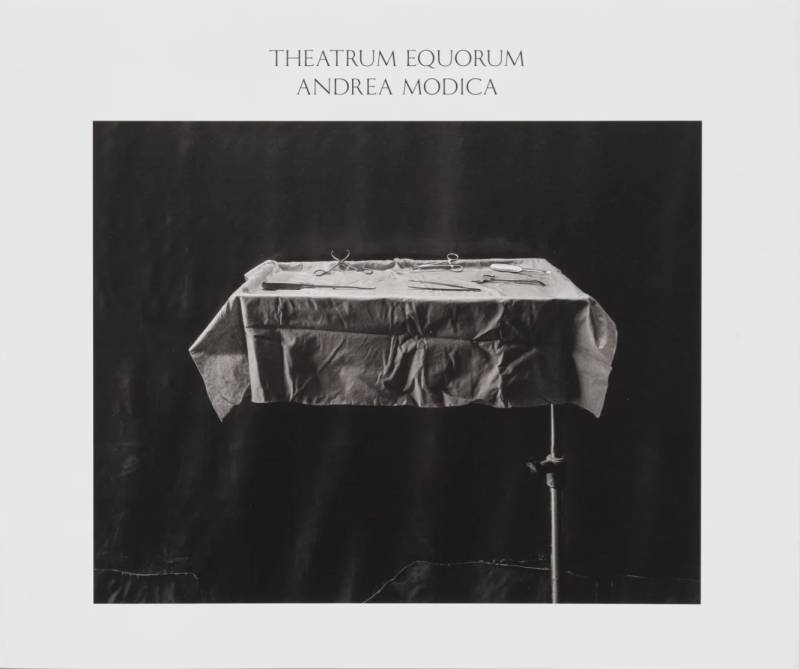
The result of more than eight years of intense work in Italy and elsewhere, Theatrum Equorum is acclaimed photographer Andrea Modica’s latest monograph with TIS books.
As the title indicates, Modica’s interest lies in the drama of the horse – but her approach is one that completely upends expectations for such an exploration. Using her trademark 8 in x 10 in large format camera, she made these photographs at a renowned horse clinic in Bologna that attracts remarkable and often very valuable animals for a range of medical procedures including, among other things, fracture repairs, emergency colic intervention and dental work.
“When I was invited to witness an operation, I was immediately drawn to the contrast of these magnificent animals rendered so vulnerable,” Modica says. “I instantly wanted to investigate with my camera.” She began the project by making pictures of the horses in their post-operative recovery rooms: simple padded stalls with overhead windows that produce a lovely, soft light. To protect the animals as they emerge from anesthesia, the floors are carefully covered with the surgeon’s shredded junk mail, old medical journals, and art magazines. “The stalls are at once theatrical stages and humble boxes. In my photographs the horses are in an anesthetic sleep,” the artist notes. “There’s something sacred about the animals and the process of being able to go through this with them—a state of extreme vulnerability for an animal of that power.”
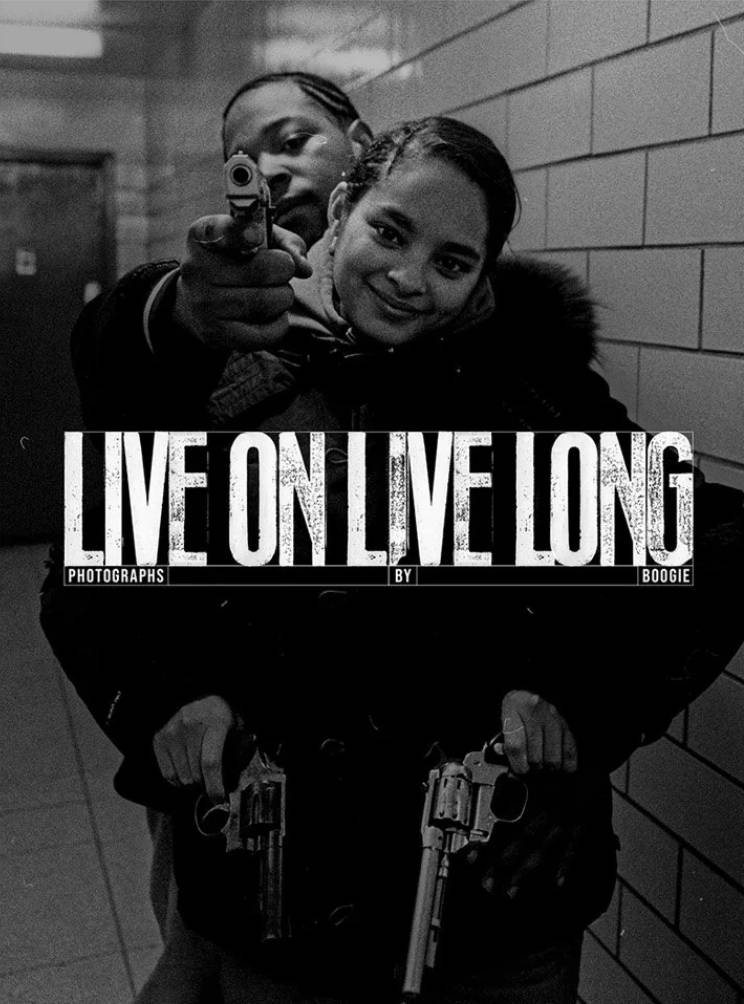
From the margins of New York City comes a collection of once-forgotten and never before seen work by legendary street photographer, Boogie. Designed by Igor Milanovic and edited by Pouria Khojastehpay, this 216-page hardcover book portrays the raw and uncensored life lived beneath the glow of the neon skyline of 2000's era New York. Bold and vivid, the black and white images of NYC's up-and-coming gangsters down and out addicts hit you in the face like a brick of cold concrete. Wild smiles and cocked revolvers gleam in the flickering fluorescent-lit hallways of the projects as you're taken by the hand through New York City's hustling underbelly by Serbian-born Vladimir ''Boogie'' Milivojevich.
''...In the beginning, there’s this distance between you and them… but eventually, the lines blur. It becomes your life. Then It takes over. It’s so hard to snap out of it, man. So hard...''
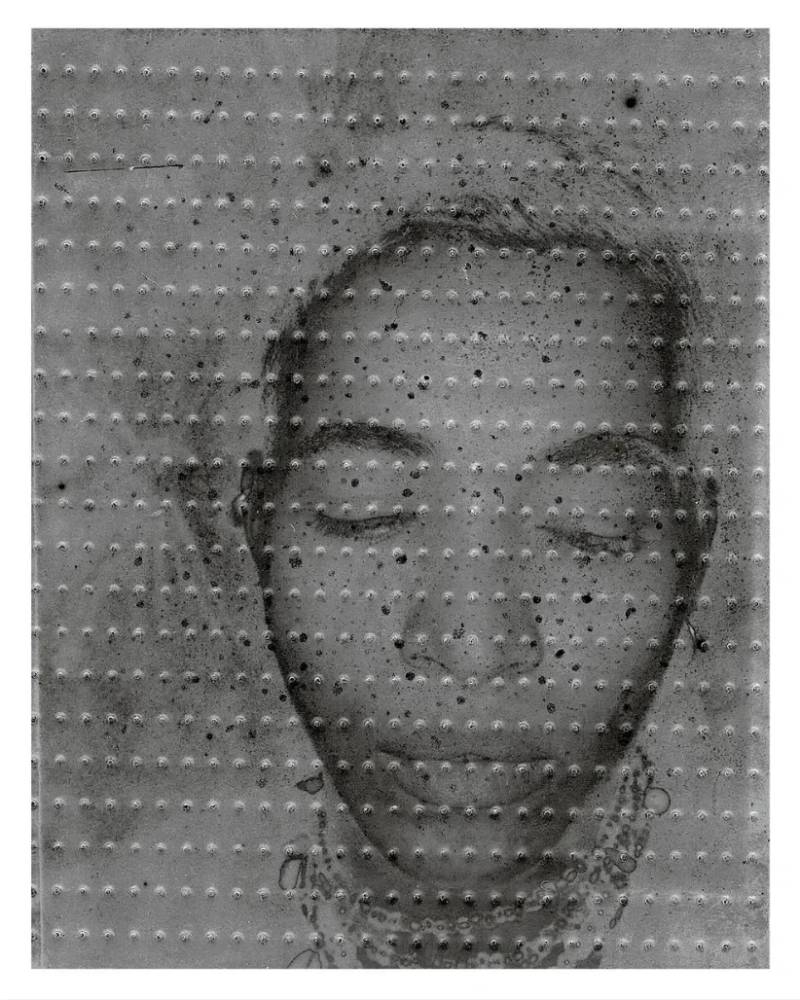
I Will Keep You in Good Company brings together pages and fragments from over twenty of Ghanaian-Russian artist Liz Johnson Artur’s personal workbooks – handmade volumes she has kept since the early 1990s. Part diary, part experimental playground, these books are where she shaped her photographic language through layering, cutting, annotating, and assembling: a space for processing not only images, but life itself.
Each page is a tactile surface, combining photographic prints on canvas, tracing paper, faxes, and photo stock with screen-prints, handwriting, and clipped texts. The result is a sensorial, intimate archive of moments lived and witnessed – of friends, family, strangers, lovers – held with care and attention.
‘I like to be right next to it, in the middle of it, to take it home’, Johnson Artur writes. ‘To keep them close is a way of giving importance and appreciation.’ These workbooks are acts of presence – visual thinking made physical – and the foundation for her celebrated Black Balloon Archive, a project that honours communities across the African diaspora. I Will Keep You in Good Company is a candid, generous record of a photographer learning not only how to look, but how to stay close.
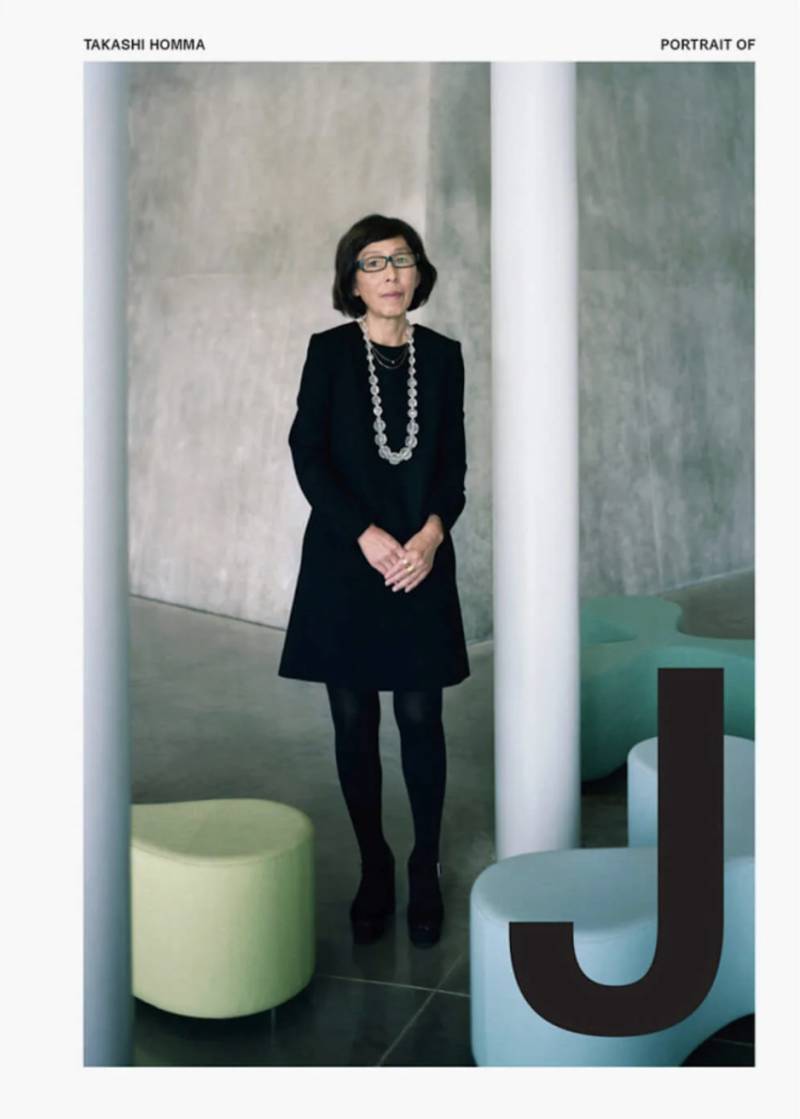
Portrait of J by Japanese photographer, Takashi Homma, a compelling new photobook featuring 111 portraits of the Japanese people, taken between 2002 and the present. While honoring the influence of his mentors such as Arata Isozaki, the Pritzker award winning architect and Takuma Nakahira, his co-founder of The Provoke Movement, Homma’s portraits represent a wide range of occupations and life experiences, spanning all generations. With quiet intensity and unmistakable clarity, he invites us to contemplate the everyday and extraordinary faces that form the social and cultural fabric of contemporary Japan.
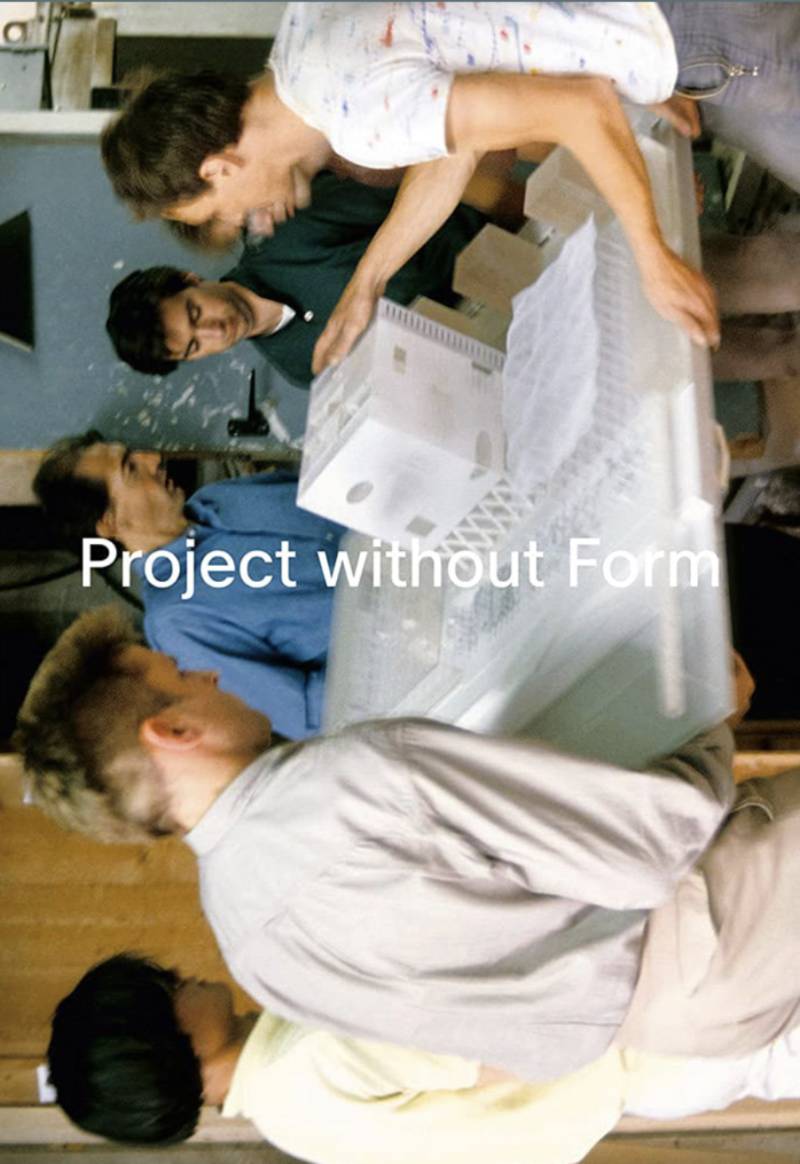
In 1989, the Office for Metropolitan Architecture (OMA) developed a daring architectural typology—a “project without form”. The setting is a laboratory headed by Rem Koolhaas, in which actors from different disciplines work on three competition challenges at the same time. In the process, the mechanisms of project development and knowledge acquisition merge into increasingly abstract systems and representations. The “project without form” is not built in any of the three cases. The book not only follows the progress of the laboratory in 1989 but also reflects on its prehistory and aftermath, drawing on interviews with various actors at OMA conducted by Holger Schurk. The publication focuses on the hybrid processes of production and representation in the OMA project Très Grande Bibliothèque (TGB) in Paris: these are visualized by means of numerous hitherto unpublished sketches, drawings, and photographs as well as sequences of video stills.

Printed to accompany an exhibition of thirteen participating photographers at Huis Marseille in Amsterdam, this catalogue explores the multi-faceted phenomenon of South African visual culture, both during apartheid and in its aftermath. Along with critical readings by Sean OToole and Els Barents, it presents work by David Goldblatt, Santu Mofokeng, Jo Ractliffe, Daniel Naudé, Mikhael Subotzky, Sabelo Mlangeni and others. The images reveal how powerfully the recent past can colour our perception of the present, and how being a photographer in South Africa requires a sober, articulate and skilled approach to the nations burden of memory, trauma and guilt.
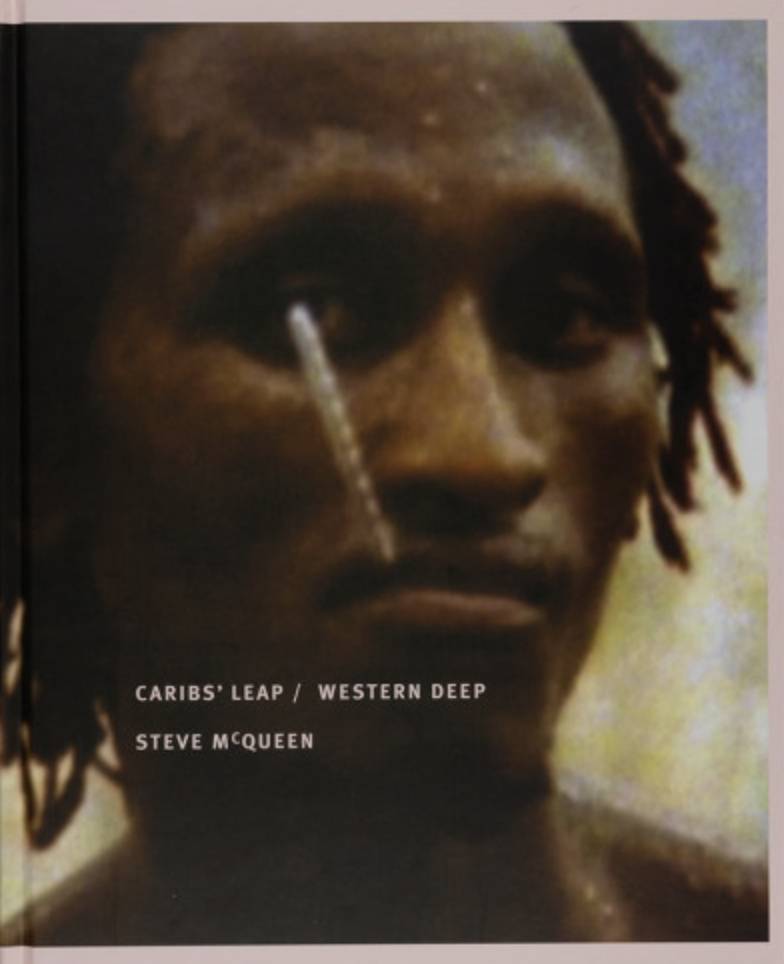
Book that documents the film Western Deep (2002), which was realised by Steve McQueen for Documenta 11. An essay on his work complements the volume.
Flour, water, and salt. These are the sole ingredients that make Hardtack: a Civil War-era food long-associated with survivalism, land migration, and its extremely long shelf life. Drawing from this history as a metaphor for the long-enduring nature of Black culture and traditions, Hardtack uncovers the roots that tie Fortune's native landscape to the conflicts and nuances associated with the post-emancipation Americas.
In the follow-up to his breakout monograph I can't stand to see you cry, Fortune borrows from the language of vernacular and archival photography to interrogate the historical relationship of his community to photography; rooted in the landscape, Fortune often uses sites of historical and cultural interest as a guide but not a subject, implying the deep ties that bind modern Black communities resiliently to their regions, in the face of both adversity and joy.
A significant theme in Hardtack is Fortune’s striking portraits of coming-of-age traditions. Inside, young bull-riders, praise dancers, and pageant queens inherit and gracefully embrace these forms of community ritual. Fortune's dignifying eye pays tribute to these cultural performances' rigour, discipline and creative flair, alongside the intergenerational conversation between young people and elders handing down these traditions. Collecting together nearly a decade of work, Hardtack continues Fortune’s weaving of documentary and personal history, marking a sincere expression of love and passion to a region that has nourished the artist personally and creatively, while also marking an important contribution to photographing the American South.
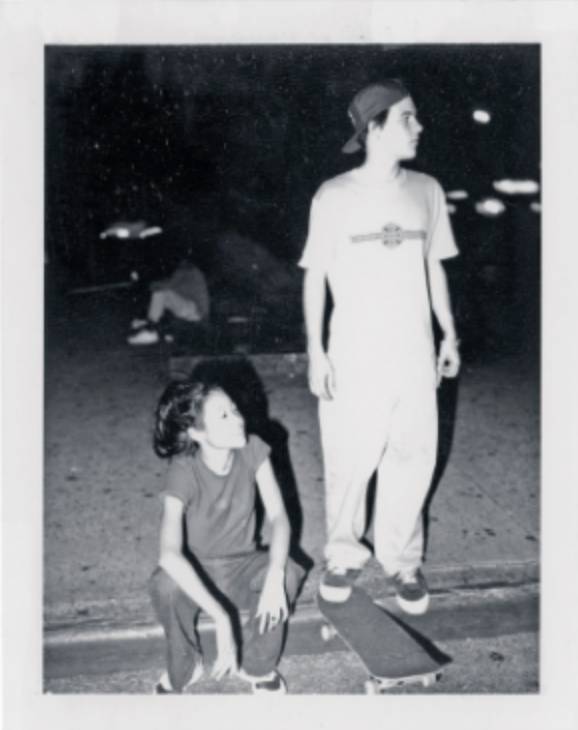
The artist Ari Marcopoulos came upon the Polaroids reproduced in this volume and its' companion, Polaroids 92- 95 (CA), while moving studios in 2018. Only a few have ever been published before, and the decorated box that housed them, long forgotten. They depict an iconic period of skating from the early nineties with the same ease, grace and affection for his subjects that Marcopoulos is known for. Shot mainly at the Brooklyn Banks in New York it features some of the best known skaters of their generation including Justin Pierce, Harold Hunter, Maurice Key and Jeff Pang, amongst others. “As time has passed there are many names that I remember but some unfortunately I can no longer recall.
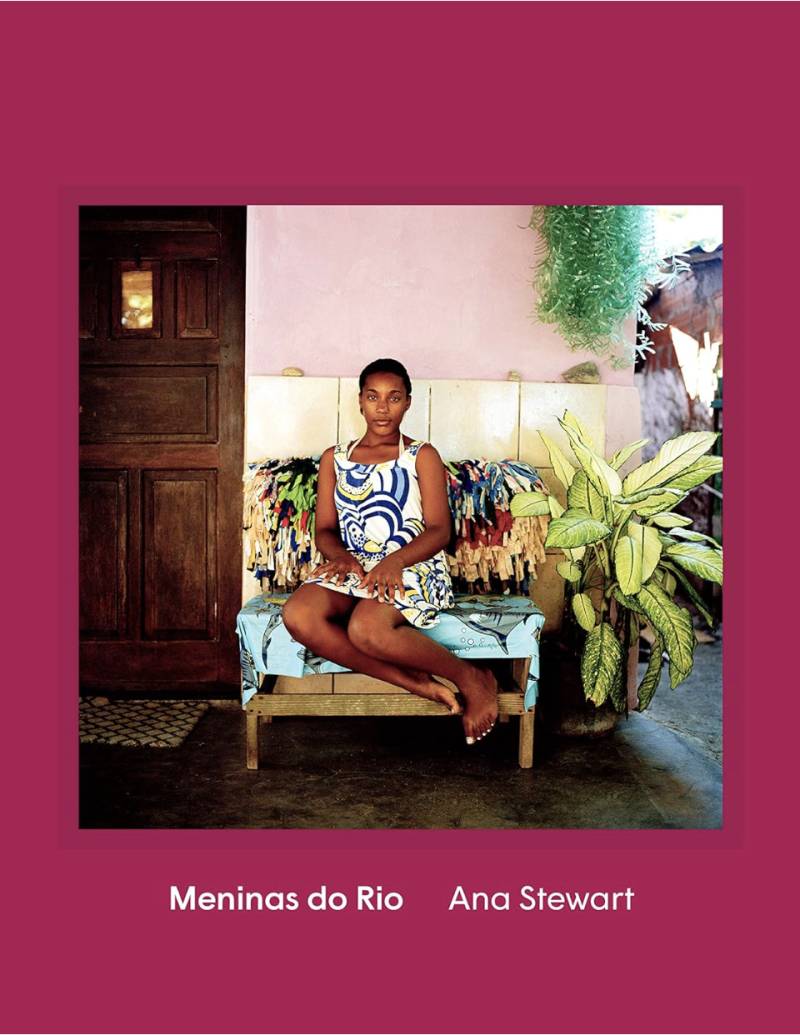
Meninas do Rio (Valongo Editora) brings together 19 girls from the outskirts of Rio de Janeiro in photographs taken ten years later. Claudia Jaguaribe is the editorial coordinator.
A portrait in time. This is how Claudia Jaguaribe defines the photobook Meninas do Rio. Nineteen girls, randomly selected from neighborhoods in Rio's North Zone, were photographed for the first time between 2001 and 2006, and rephotographed from 2011 to 2016—ten years later.
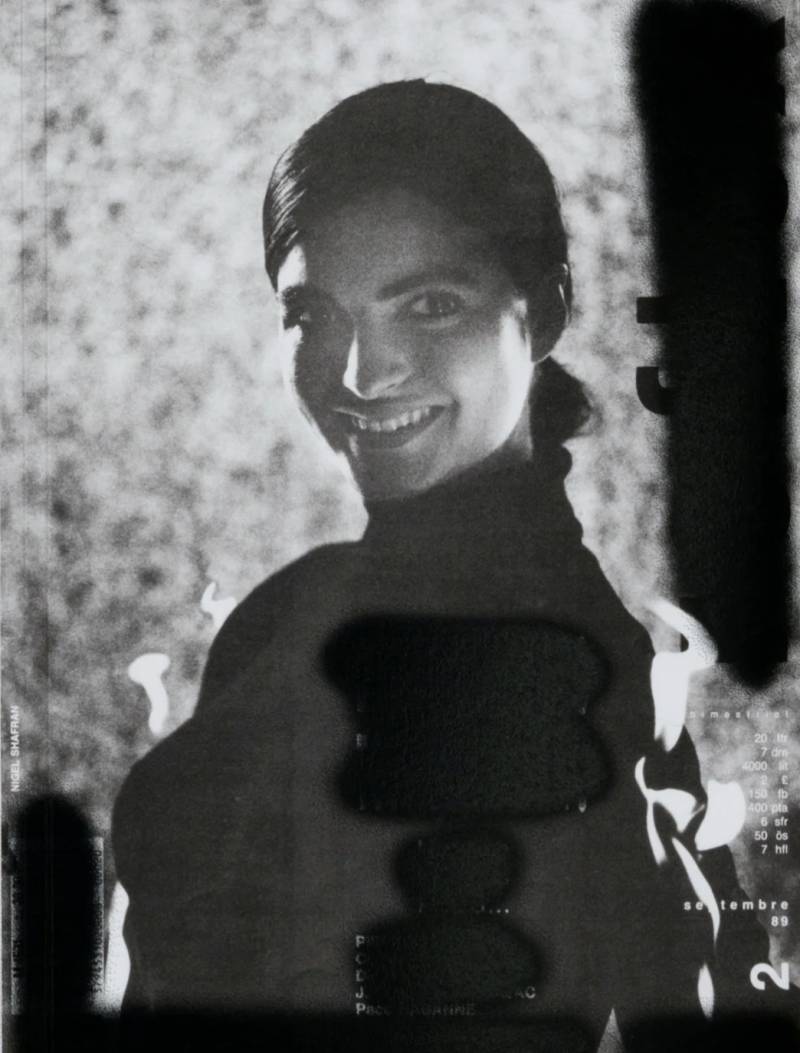
Shafran’s relationship with the world of commercial photography begins in the mid-1980s as a teenager, continuing through to the iconic magazine years of i-D and The Face, and into a recent resurgence in his idiosyncratic, unpretentious approach to the fashion shoot within the pages of Vogue and more. Only recently did Shafran — who is known for his delicate, personal approach of weaving together converging photographic narratives — begin to understand his continuous engagement with the commercial world as a project in itself. The Well is a space to critique and reflect the worlds of fashion from the inside, bringing his trademark simplicity and capacity to disarm the viewer into this charged, complicated world.
This landmark publication, edited and designed by Linda van Deursen, chronicles Shafran’s commercial and un-commercial approach to photography, with interviews and reflections between Shafran and his peers threaded throughout.
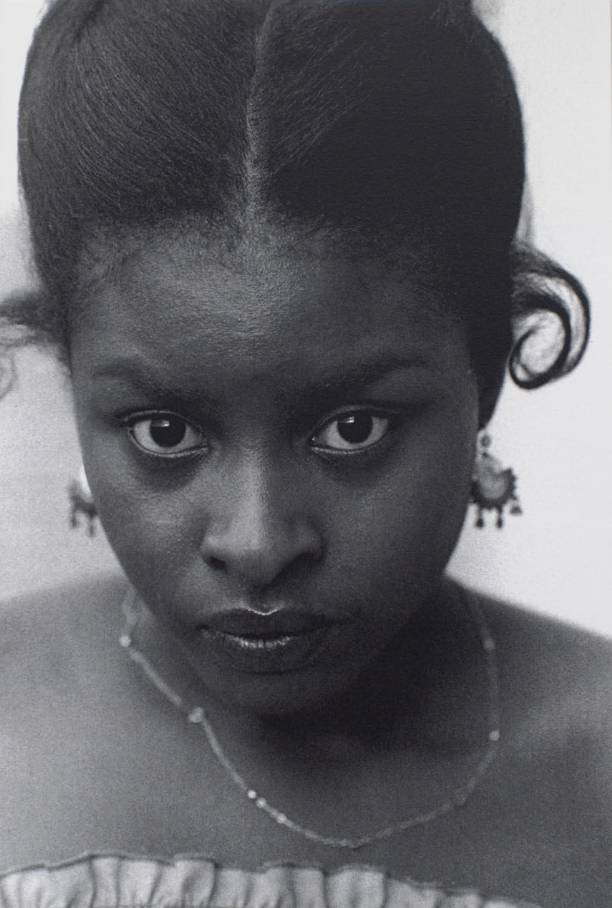
Shot over the course of a year in Baltimore, the previously unpublished 26 black and white portraits that make up the zine capture Karen in a variety of states: in bed, on the street, dressing up, undressing. What unites these images is Steven Cuffie’s intimate and playful depiction of Karen and the glimpses of her personality. Laid out in spreads that imply narrativity and seriality, the sequence of images suggests a character sketch of a subject whose biographical information is otherwise unknown. This zine is edited by the photographer’s youngest, Marcus Cuffie, who notes that the nature of Steven and Karen's relationship, romantic or artistic, is ambiguous, and invites the viewer to imagine the gaps in the archive of their father’s work.
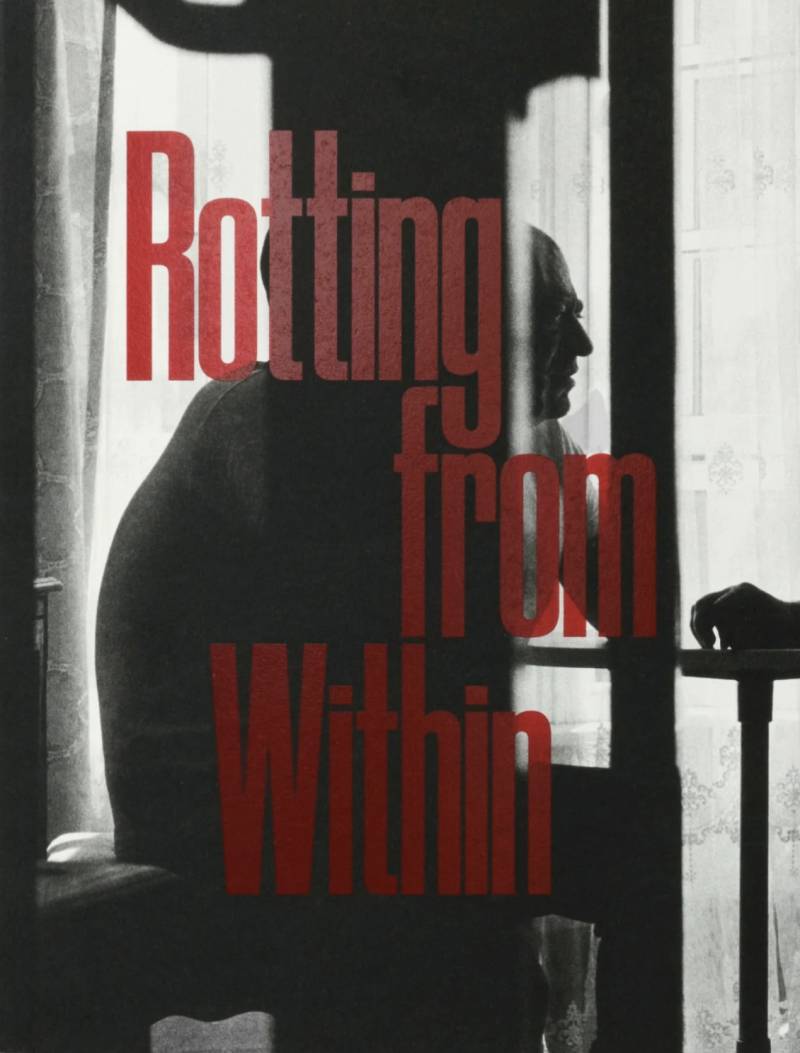
Rotting from Within refers to a feeling described by Abdulhamid Kircher upon the unearthing of his father’s history: the discovery of the generational trauma within the patriarchs of his family and the subsequent task of uncovering the artist’s self amongst the things passed down. Beginning at the age of seventeen with the reacquaintance of his estranged father, recently released from incarceration for selling drugs and attempted murder, Kircher’s self-led journey into photography coincided with a reflection on his past. Born in Berlin and fleeing to the USA at a young age, the camera provided an entry point for intimacy and familiarity with his father and his Turkish culture and heritage while fostering a deep relationship with the photographic medium and its possibilities.
Rotting from Within weaves a deeply personal, autobiographical thread with photographic vigour and candidness as we penetrate deeper into the psychological questions of identity, the glorification of violence, the myths of masculinity and the veil through which photography provides a mechanism to cope and understand the world. Kircher’s threaded visual voice speaks at the intersection of an internal monologue and a nuanced approach to documentary; through complex assemblages of portraiture, observation, archival documents, diaries and more, Rotting from Within contains visual webs of association within which Kircher captures the tension between speculation and reality, the inherent unknowability of even those closest at hand, and how we do not get to choose the life into which we are born.
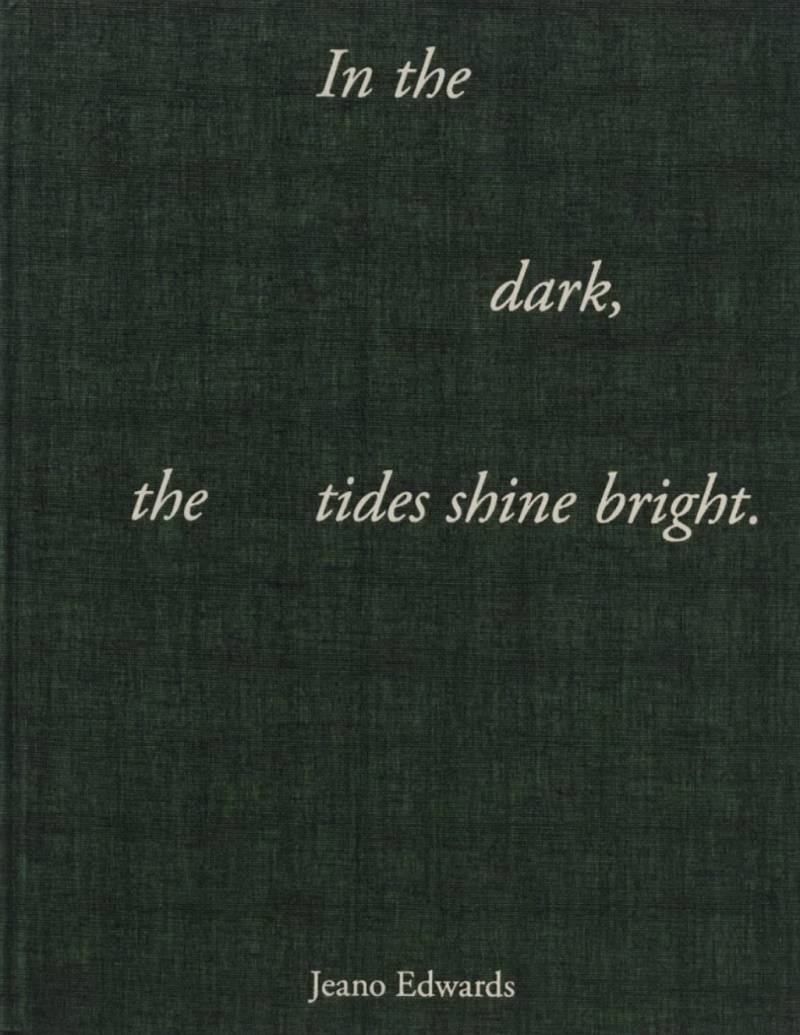
In the Dark the Tides Shines Bright serves as a companion book to the film of the same title, which, at its core, confronts the tides of longing and loss. Rich and at times abstract, the images serve as narrative anchors, gently punctuating the texts and inviting feelings to unfold, shift, and settle. Whilst the film moves with the urgency of the moment, the book extends these themes with the measured and contemplative experience of the printed page. Artists and writers are invited into dialogue, their reflections expanding on the film’s propositions and deepening its emotional resonance.
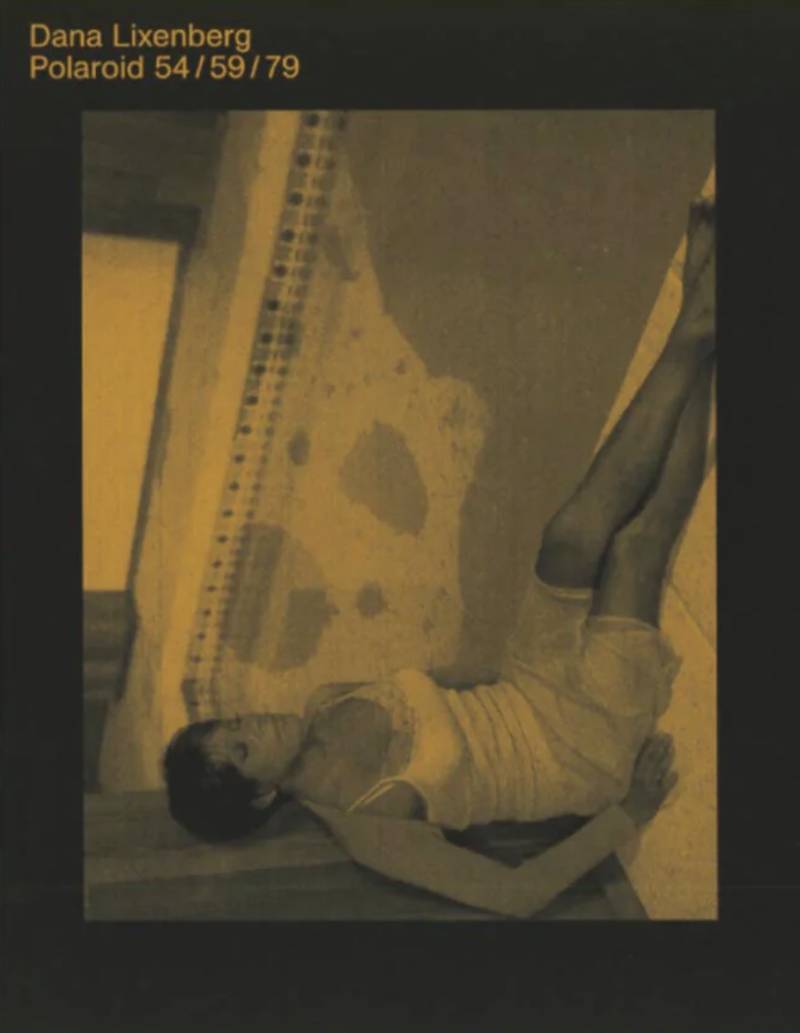
Polaroid 54/59/79 - Deux ans après la faillite de Polaroid Corporation en 2008, Dana Lixenberg a terminé sa dernière boîte de Polaroid 54. Ces Polaroids 4×5 servant de matériel d’essai pour l’éclairage et la composition, donnent un aperçu intime du processus de travail de Lixenberg lors de séances de photos pour de nombreux clients tels que Vibe, The New York Times Magazine, The New Yorker, Rolling Stone, Vrij Nederland, et de projets personnels. En plus d’être une ode à ce matériel spécifique, la grande collection de portraits de ce livre reflète la culture et la société américaines que Lixenberg a rencontrées dans les années 1990 et 2000.
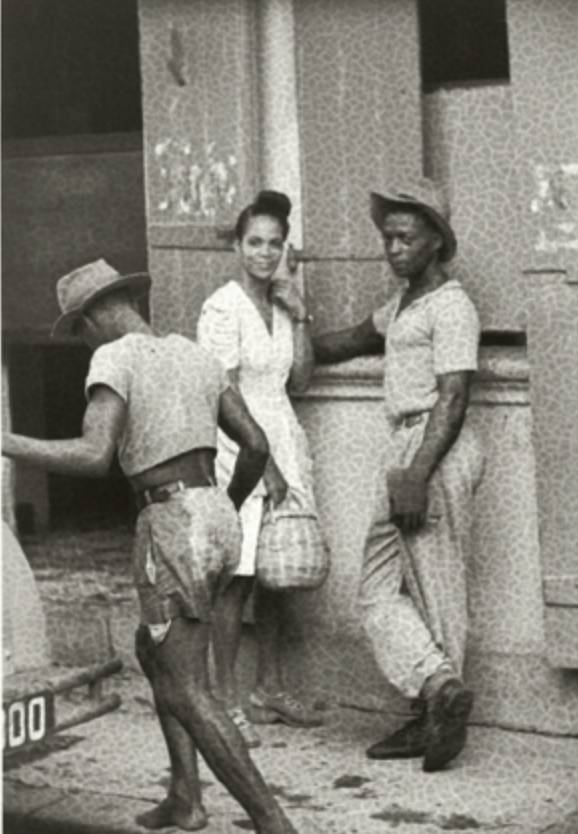
Denise Colomb carried out two major photo-reportages in Martinique, Guadeloupe, and Haiti, in 1948 and 1958. The first trip had been initiated by Aimé Césaire, who entrusted her with her very first commission by inviting her to join the commemorations of the centenary of the abolition of slavery in the French Antilles (1848–1948). She returned ten years later, with a commission from the Compagnie Générale Transatlantique, and on that occasion also took color photographs.
These two reportages show the evolution of Antillean society in the very early days of the law of Departmentalization, and together they form the most significant thematic body—both in terms of quantity and quality (more than 9,000 photos)—within Denise Colomb’s archive, apart from her work on painters. These two dates (1948–1958) symbolically mark the great period of activity of Denise Colomb, during which she best expressed her humanist vision.
Judd’s earliest published writing, consisting largely of art reviews for hire, defined the terms of art criticism in the 1960s, but his essays as an undergraduate at Columbia University in New York, published here for the first time, contain the seeds of his later writing, and allow readers to trace the development of his critical style. The writings that followed Judd’s early reviews are no less significant art-historically, but have been relegated to smaller publications and have remained largely unavailable until now. The largest addition of newly available material is Judd’s unpublished notes—transcribed from his handwritten accounts of and reactions to subjects ranging from the politics of his time, to the literary texts he admired most. In these intimate reflections we see Judd’s thinking at his least mediated—a mind continuing to grapple with questions of its moment, thinking them through, changing positions, and demonstrating the intensity of thought that continues to make Judd such a formidable presence in contemporary visual art.
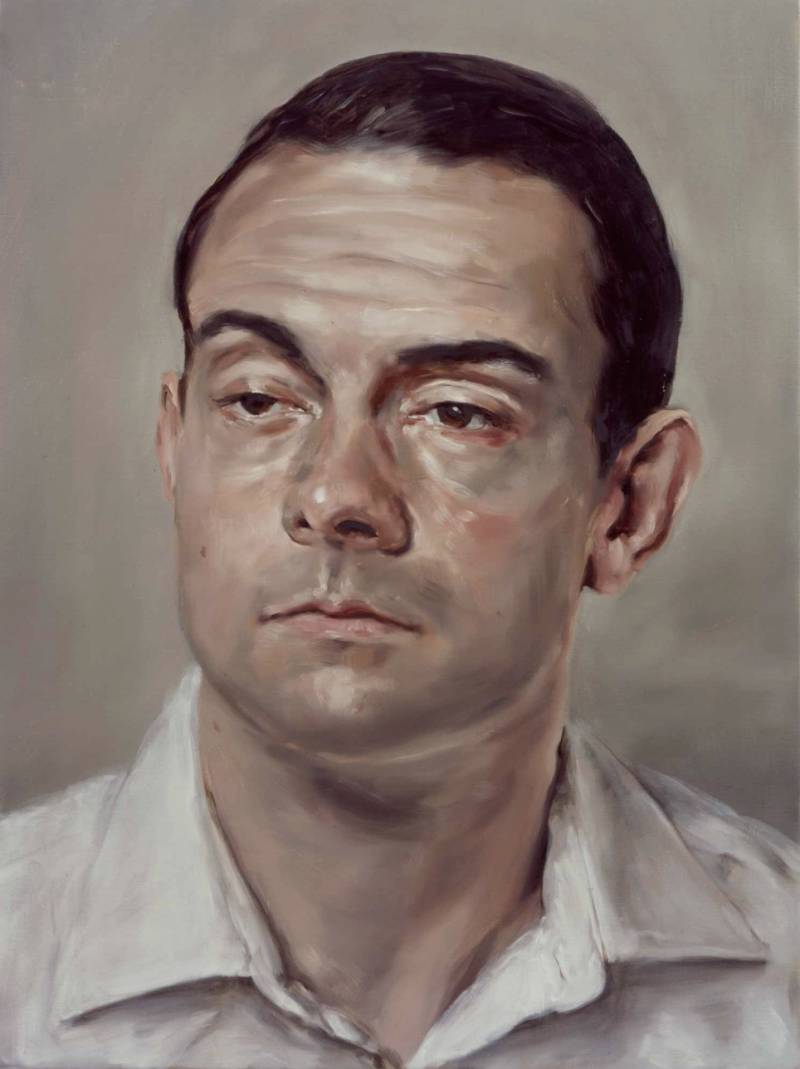
Michaël Borremans: Horse Hunting was published on the occasion of the artist’s second solo exhibition at David Zwirner in 2006. Amongst the fourteen new paintings on view was the eponymous work Horse Hunting (2005), which portrays a young man, fashionably attired, holding two twigs from each of his nostrils. Available in hardcover, this catalogue includes a text by Belgian artist and curator Hans van Heirseele.
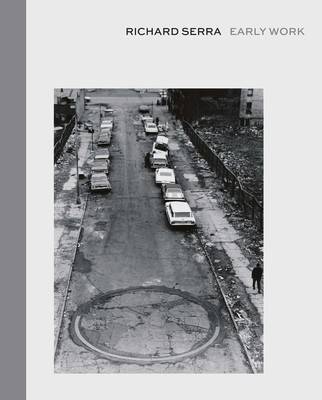
Published to celebrate the critically acclaimed 2013 exhibition at David Zwirner in New York, a show that The New York Times art critic Ken Johnson called “near perfect,” Richard Serra: Early Work devotes over three hundred pages to a key five-year period of the artist’s earliest work. Anchored by exquisite black-and-white plates, from installation views of works in situ to documentary photographs, this “impressively realized” publication offers “a blow-by-blow account of Serra’s rapidly expanding art-world presence,” as described in a Bookforum review. Focusing specifically on work the artist produced during the period between 1966 and 1971, this classic tome documents the significance of his early work, with archival texts and reviews, alongside new scholarship by American art critic and historian Hal Foster.
Produced in close collaboration with the artist, this monograph aims to reconsider the groundbreaking practices and ideas that so firmly situate Serra in the history of twentieth-century art. Its stunning selection of seminal works illuminates the debut of the artist’s innovative, process-oriented experiments with nontraditional materials, such as vulcanized rubber, neon, and lead, and introduces the interplay of gravity and material—of "verticality and horizontality,” writes Foster—that would remain a fundamental aspect of Serra’s production over the subsequent decades. Also featured in the publication are key early examples of the artist’s work in steel, as well as stills from some of his most important early films.
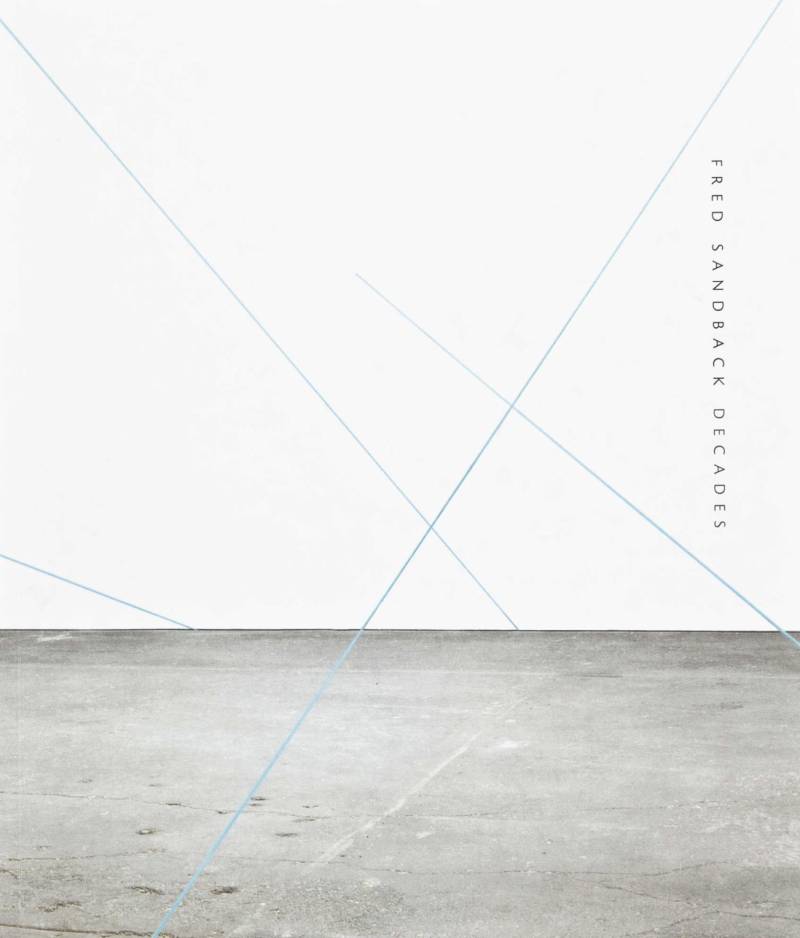
Known for sculptures that outline planes and volumes in space using the humblest of materials, Fred Sandback (1943–2003) was an American artist whose work is informed by a minimalist artistic vocabulary. Though Sandback employed metal wire and elastic cord in his earliest works, the artist soon dispensed with these materials and began using acrylic yarn to create sculptures that produced perceptual illusions while addressing their physical surroundings—the “pedestrian space,” as Sandback called it, of everyday life. Throughout the course of his career, yarn enabled the artist to elaborate on the phenomenological experience of space and volume with unwavering consistency and ingenuity. Fred Sandback: Decades is the third in a series of illustrated hardcover monographs on the artist published by David Zwirner. Documenting the eponymous exhibition held at the gallery in 2012, this award-winning publication covers a selection of Sandback’s work dating from 1968 to 2008, thus spanning five decades of production. With ninety reproductions in color, this beautifully produced catalogue includes a fully illustrated chronology with selected biographical and bibliographical material, as well as new scholarship on Sandback by art historian James Lawrence.
Gordon Matta-Clark and Pope.L are esteemed for their respective interdisciplinary practices that examine the value and paradoxes of urban life as well as the risk inherent in art making. Utilizing performance, film, drawing, and various multimedia projects, the two artists often open up interstitial spaces by realizing sweeping gestures that take into account shifting, decentralized zones. Grounded in the concept of failure, the sixth exhibition at 52 Walker and its accompanying catalogue reconsider societal, artistic, and structural failure—and its related expressions of hope.
With an introduction by the curator and director of 52 Walker, Ebony L. Haynes, this publication also includes a conversation between Haynes, Pope.L, and the director of LAXART, Hamza Walker, where they discuss the visual, material, and conceptual similarities between Pope.L’s and Matta-Clark’s work and what it means to treat the possibilities of failure as an artistic medium. Writings by Matta-Clark related to works in the exhibition highlight his interest in working with the void as material.
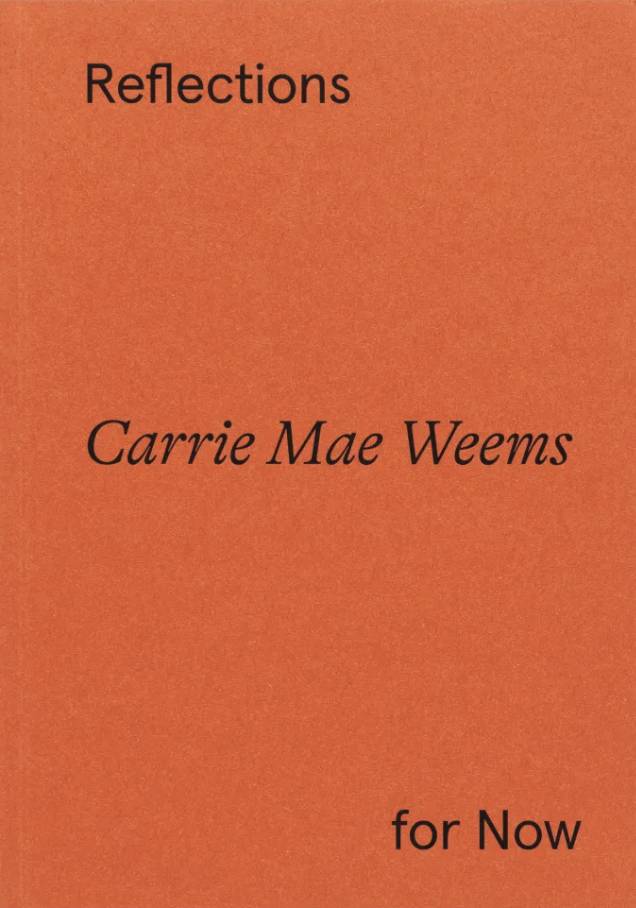
Widely considered to be one of the most influential American living artists, Carrie Mae Weems has developed a practice celebrated for her exploration of cultural identity, power dynamics, desire, intimacy, and social justice through a body of work that challenges the prevailing representations of race, gender, and class. Defined by the use of photography, installation, film, performance, and textile, her remarkably diverse and radical practice questions dominant ideologies and historical narratives created and disseminated within science, architecture, and mass media. Published in the context of her solo exhibitions at Barbican Art Gallery London and Kunstmuseum Basel, this book brings together a selection of Weems’s own writings, lectures, and conversations for the first time, providing personal insights into themes such as the consequences of power, artistic appropriation, music as inspiration, history-making, and the normative role of architecture. -the publisher
View all
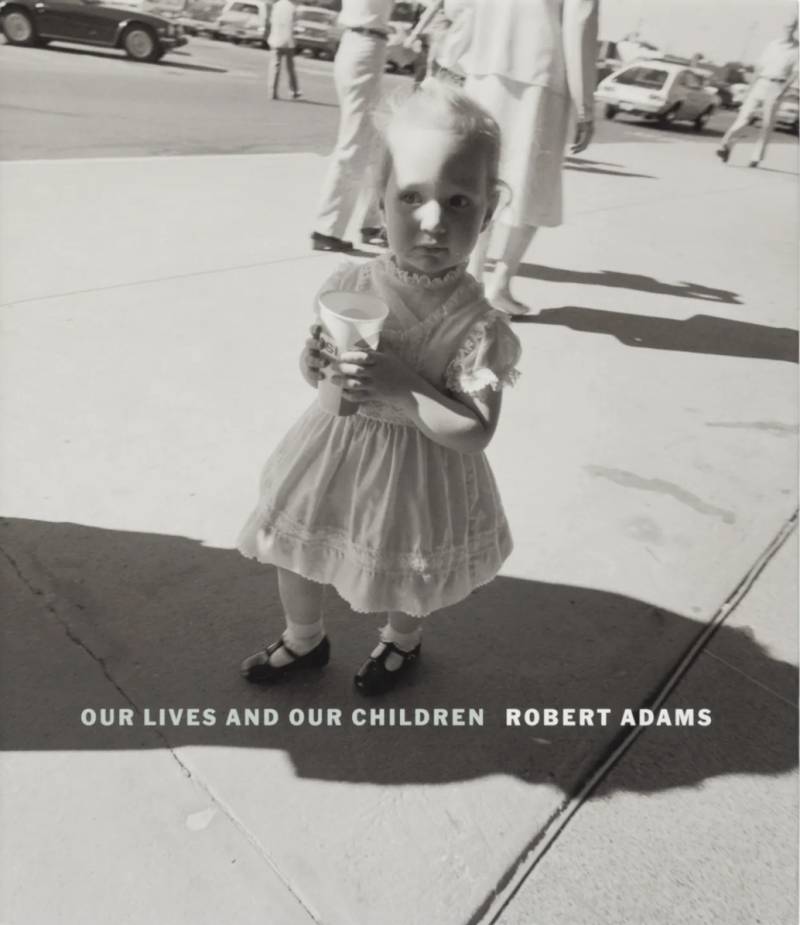
One day in the early 1970s, Robert Adams and his wife saw from their home a column of smoke rise above the Rocky Flats Nuclear Weapons Plant, near Denver, Colorado. For an hour they watched the plume grow, tried without success to learn whether the fire involved radioactive and extremely toxic plutonium, and experienced a sense of helplessness before what appeared to be a nuclear accident in progress. Ultimately it was announced that the fire was burning safely outside the plant, but as a result of their hour of uncertainty Adams decided to try to picture what of worth—absolute worth—stood to be lost in a nuclear catastrophe.
Theaster Gates’s visionary interventions transform public spaces into places of interaction and encounter. For the Haus der Kunst, Gates has created the expansive Black Chapel, a multipartite installation that responds to the historic architecture of the museum’s publicly accessible Middle Hall, filling it with the object-based power of everyday Black experience.
This book reflects the themes addressed by Gates in Black Chapel—issues of social representation and participation between the conflicting poles of recent German and American history as seen in the life of the unparalleled African American athlete Jesse Owens. The complete and fully illustrated catalog of Owens's record collection is made available for the first time in this publication.
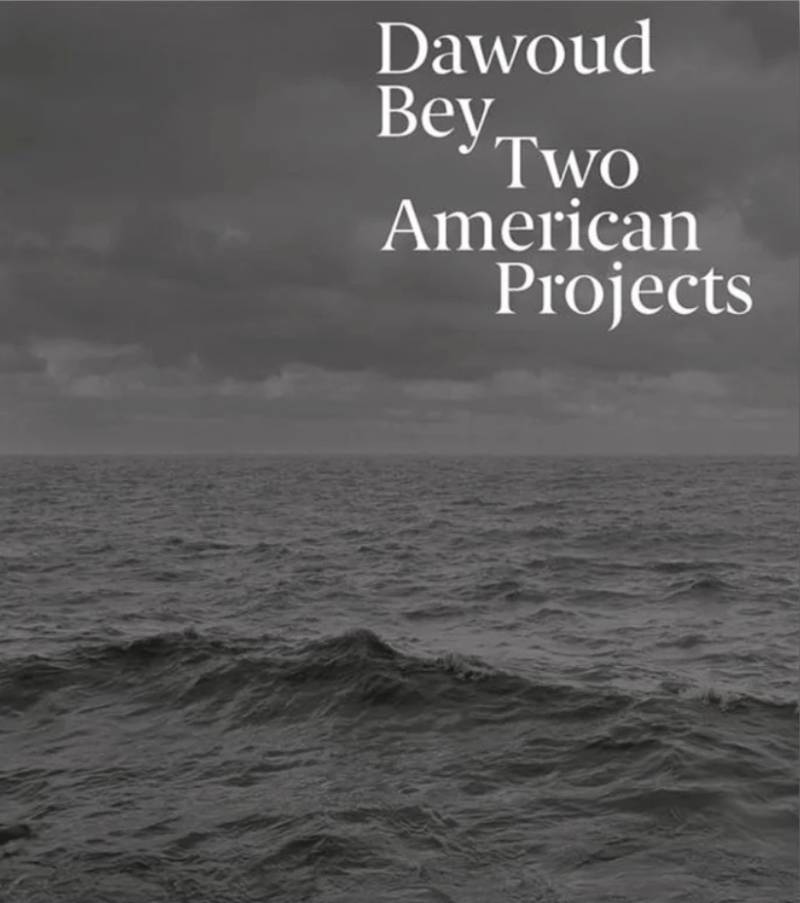
Dawoud Bey (b. 1953) is an American photographer best known for his large-scale portraits of underrepresented subjects and for his commitment to fostering dialogue about contemporary social and political topics. Bey has also found inspiration in the past, and in two recent series, presented together here for the first time, he addresses African American history explicitly, with renderings both lyrical and immediate. In 2012 Bey created The Birmingham Project, a series of paired portraits memorializing the six children who were victims of the Ku Klux Klan’s bombing of Birmingham, Alabama’s 16th Street Baptist Church, a site of mass civil rights meetings, and the violent aftermath. Night Coming Tenderly, Black is a group of large-scale black-and-white landscapes made in 2017 in Ohio that reimagine sites where the Underground Railroad once operated. The book is introduced by an essay exploring the series’ place within Bey’s wider body of work, as well as their relationships to the past, the present, and each other. Additional essays investigate the works’ evocations of race, history, time, and place, addressing the particularities of and resonances between two series of photographs that powerfully reimagine the past into the present.
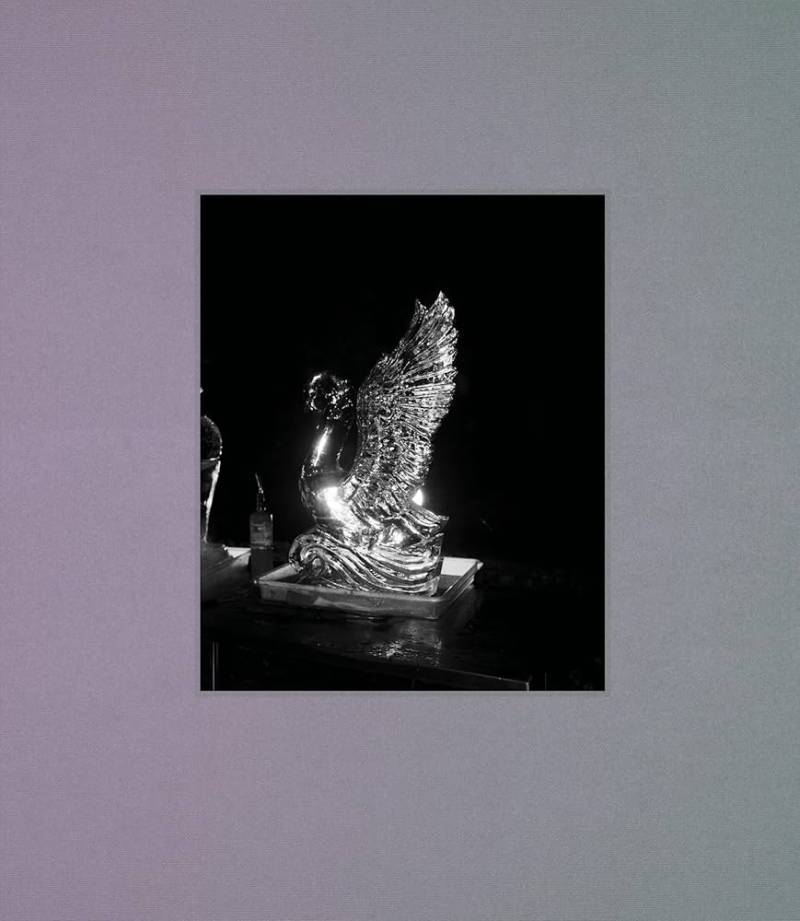
Yorgos Lanthimos’s filmography, lauded for its ambitious world-building and absurdist explorations of human relations, has established him as one of the most distinctive auteurs in contemporary cinema. i shall sing these songs beautifully draws on his renowned visual language to tell a haunting new story through photographs Lanthimos made on the set of his latest feature, Kinds of Kindness (2024), inhabiting an ambiguous space between the real locations of New Orleans and the otherworld of cinema. Interwoven throughout are new texts by Lanthimos which evoke the fragmented lyricism of Sappho, from whose poetry the book takes its title.
Lanthimos makes all his photography, both still and moving, on analogue film, relishing the creative intimacy the medium involves. These previously unseen colour and black-and-white images became a part of the formation of his new film's world. Here, they become fragments that elaborate an entirely new story, rich with the tensions and unsettling atmospheres that Lanthimos has made his own.
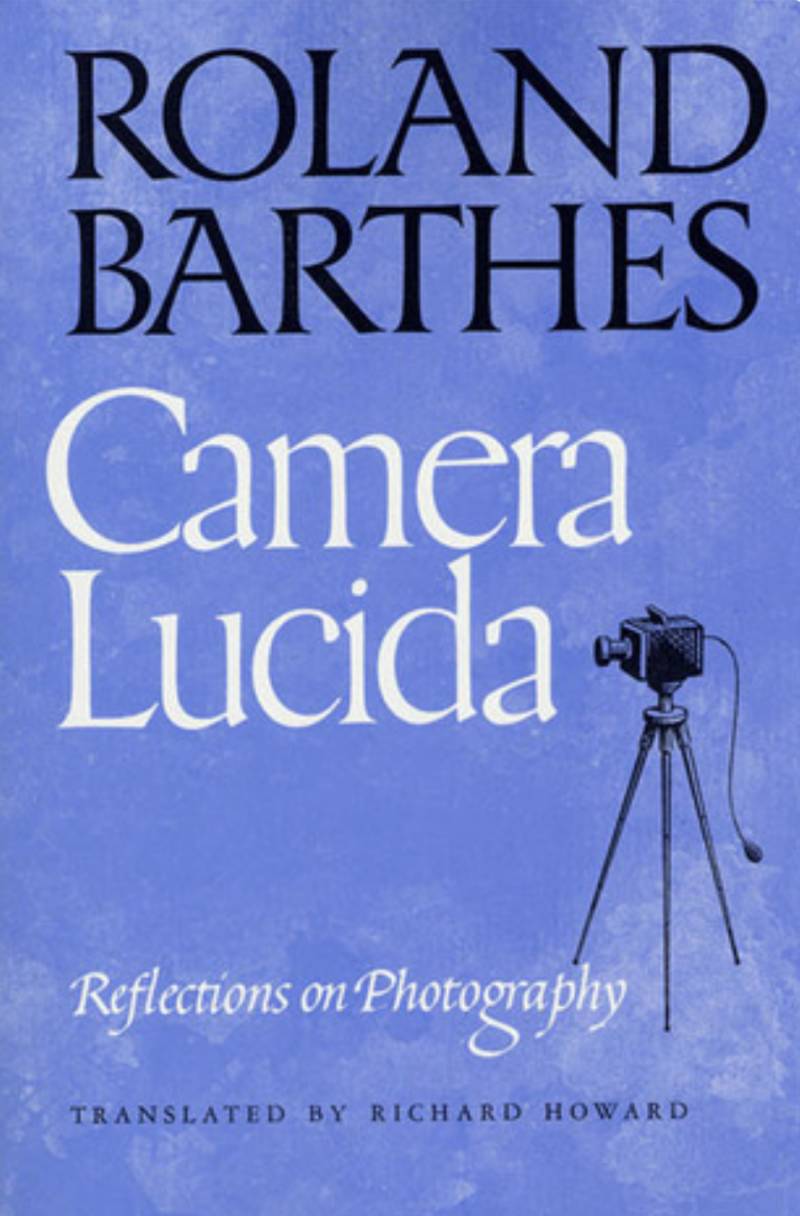
A graceful, contemplative volume, Camera Lucida was first published in 1979. Commenting on artists such as Avedon, Clifford, Mapplethorpe, and Nadar, Roland Barthes presents photography as being outside the codes of language or culture, acting on the body as much as on the mind, and rendering death and loss more acutely than any other medium. This groundbreaking approach established Camera Lucida as one of the most important books of theory on this subject, along with Susan Sontag's On Photography.
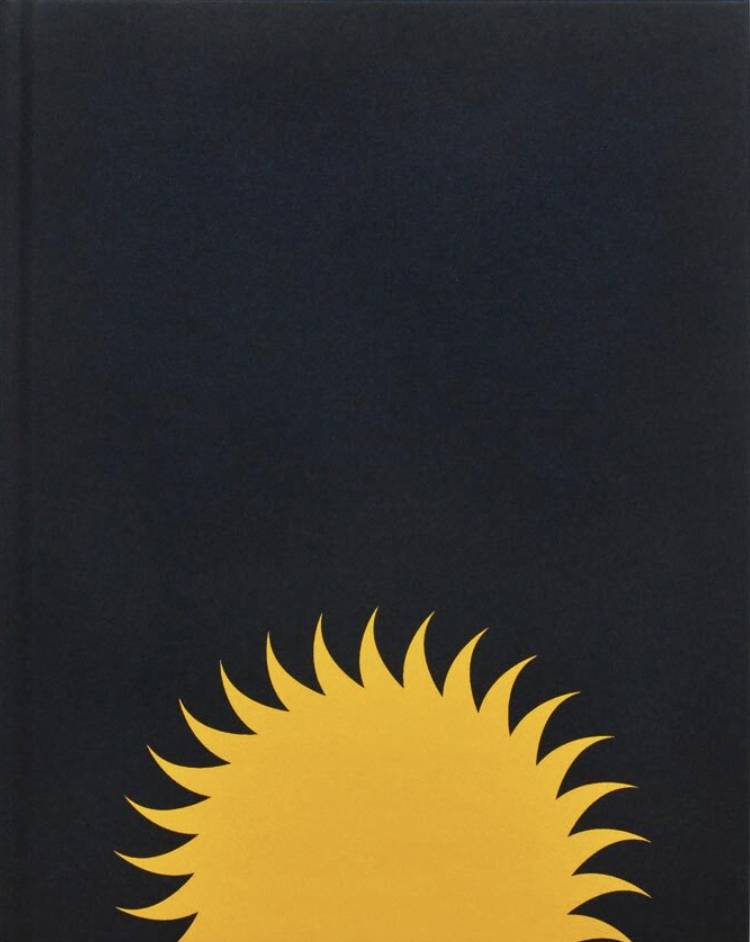
In Let the Sun Beheaded Be, Gregory Halpern focuses on the Caribbean archipelago of Guadeloupe, an overseas region of France with a complicated and violent colonial past. The work resonates with Halpern’s characteristic attention to the ways the details of a landscape and the people who inhabit it often reveal the undercurrents of local histories and experiences. Let the Sun Beheaded Be offers a visually striking depiction of place—as it has been worked on by the forces of nature, people, and events—as well as a thoughtful engagement with the complexities of photographing in foreign lands as an interloper. A text by curator and editor Clément Chéroux grapples with Guadeloupe’s colonial past in relation to the French Revolution, Surrealism, and the Martinican poet Aimé Césaire, whose writing inspired the title of the book and much of the imagery itself. A conversation between Halpern and photographer and critic Stanley Wolukau-Wanambwa delves into Halpern’s process, personal history, and the politics of representation.
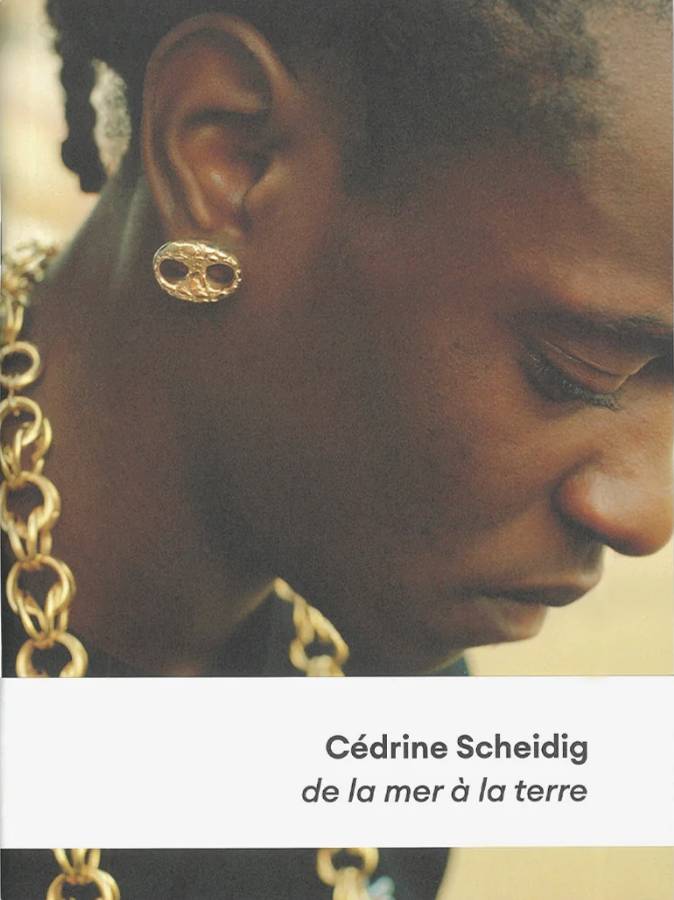
This is a collection of works by Caribbean-French photographer Cédrine Scheidig. It was published in conjunction with an exhibition held at the MEP Studio, a space within the Maison de la Photographie Europee (MEP), from February to March 2023. The space is part of a program to support emerging creators, providing a venue for young artists to hold their first solo exhibitions (mainly photography exhibitions) in France, and supporting their work production and publication. The artist exhibited her work in response to winning the top prize in the 2021 Dior Photography and Visual Arts Award for Young Talents. Through a dialogue between two narratives—his award-winning work, " It is a Blessing to be the Color of Earth " (2020), depicting Afro-Caribbean migrants in the suburbs of Paris, and " Les mornes, le feu ," launched in 2022 in Fort-de-France, Martinique—the artist explores the connection between two territories and the imaginations of their inhabitants. Moving away from documentary photography, he approaches young people living in mainland France and Martinique with a subjective, poetic eye. His delicate, softly lit portraits, urban landscapes, and still lifes, each with delicate details, express a sense of place rather than an objective view of reality. Seeking the personal stories of young immigrants in the process of self-discovery, the artist creates a space for reflection on political themes such as the colonial past, cultural hybridity, contemporary masculinity, and immigration.
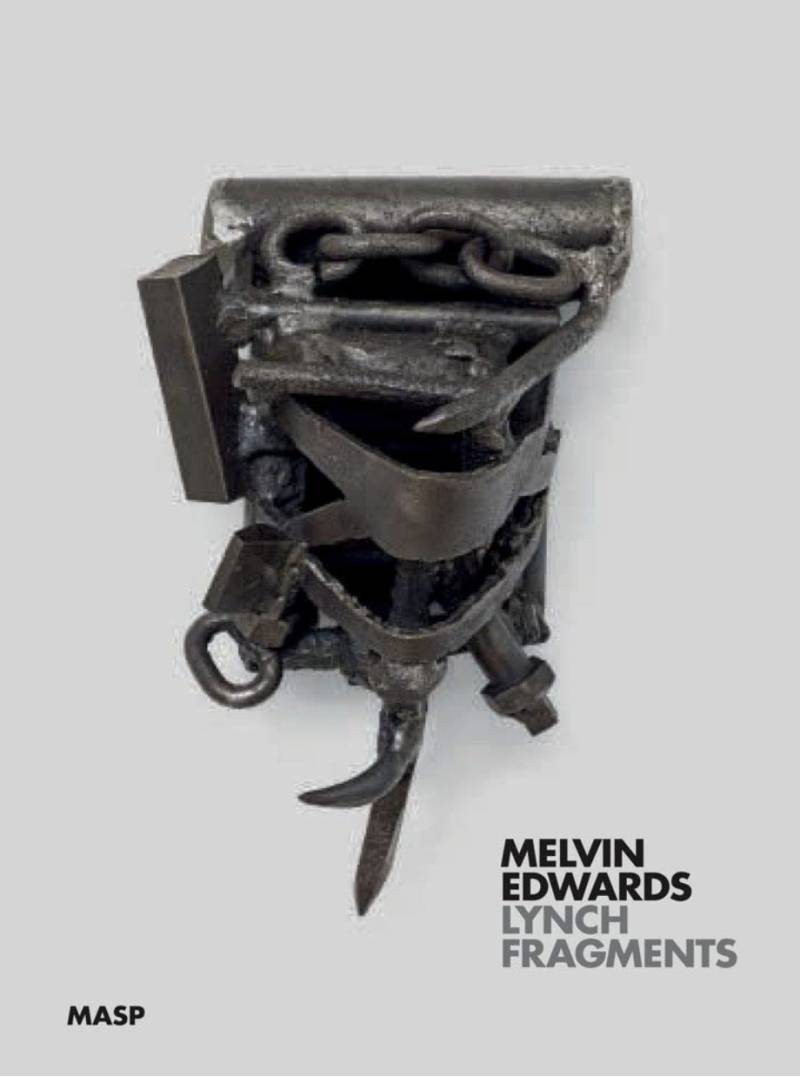
This volume brings together a significant selection of works from the titular series by the New York-based sculptor Melvin Edwards (born 1937), created between 1963 and 2016, comprising more than 50 years of what is considered the artist's central body of work.
Edwards started to produce the Fragments series when he lived in Los Angeles, at a crucial time of the civil rights movement in the United States. The works directly reference the practice of lynching after the abolition of slavery. Denouncing violence against African Americans, Edwards created these steel sculptures as forms between bodies and machines that can also be interpreted as weapons, given the sense of violence and danger suggested by their blunt, angular and protruding shapes. The selection of works in this book reflects the multiplicity of thematic interests and the formal variations across the series.
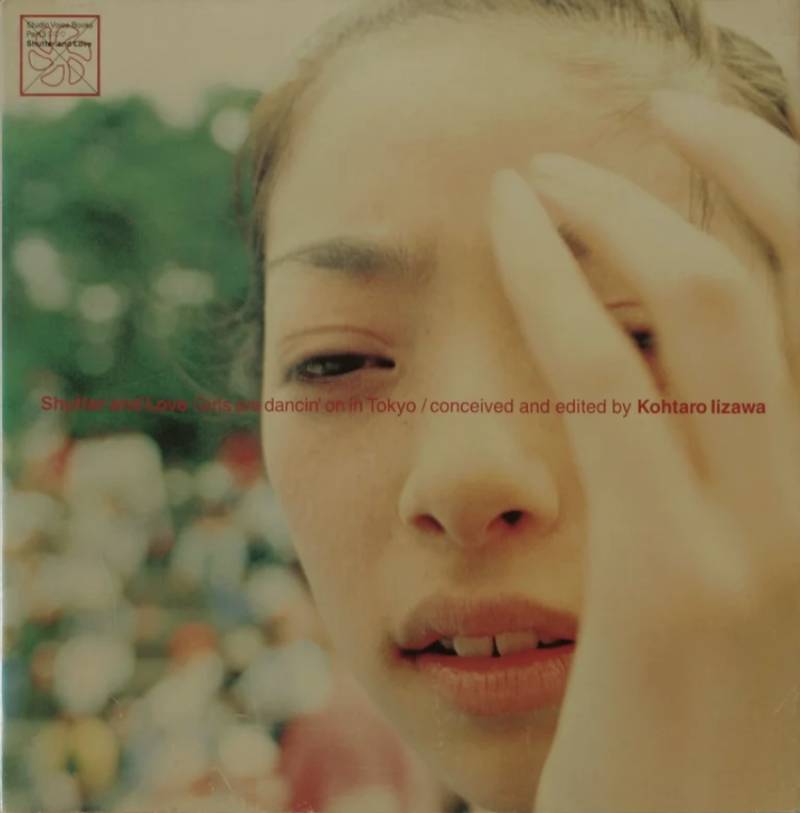
This book features the works of 16 Japanese female photographers, and was published in midst of two fashions that have emerged in Tokyo in the 90s : snapshot photography and girly culture. Shutter and Love presents young female’s quest to their own queendom and intimacy, taking ownership of women representation back from male-dominated industry.

Dedicated to the Tarantara project on the old Baltic flour mills, installed between the 7th July and the 1st September 1999.
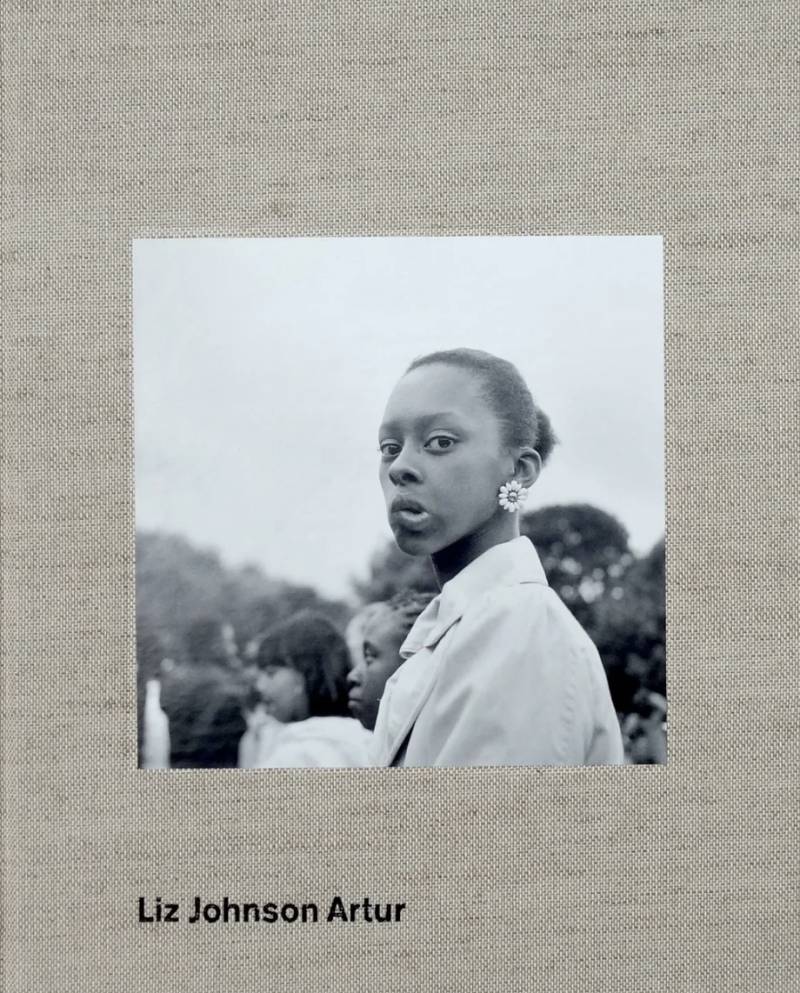
This is the first monograph of Russian-Ghanian photographer, Liz Johnson Artur. The self-titled book is a substantial retrospective overview of 30 years of work. Both black and white and colour portraiture feature from a diverse range of locations, from Peckham to Russia, the USA to Africa, The West Indies to Europe. Her primarily black subjects are captured without the usual 'music', 'sport', 'ghetto', 'poverty' and 'protest' labels which are still the norm in contemporary photography.
David Hammons, an artist who appropriates ephemeral objects found in everyday life to explore the cultural and social contexts of materials, images, substances, and language, was inspired by his interest in the materials of the Italian art movement "Arte Povera" (Poor Art) and his study of Marcel Duchamp's concepts. This book focuses on two series, "BASKETBALL" and "KOOL-AID," created between 1995 and 2012. A consistent thread running through Hammons' multifaceted work is his exploration of racial stereotypes, prejudices, and identity in America. The two works included in this book explore the construction of race and stereotypes tied to African-American experiences and culture. Using avant-garde techniques and unconventional materials, he employs abstract compositions to transform his explorations into compelling works.
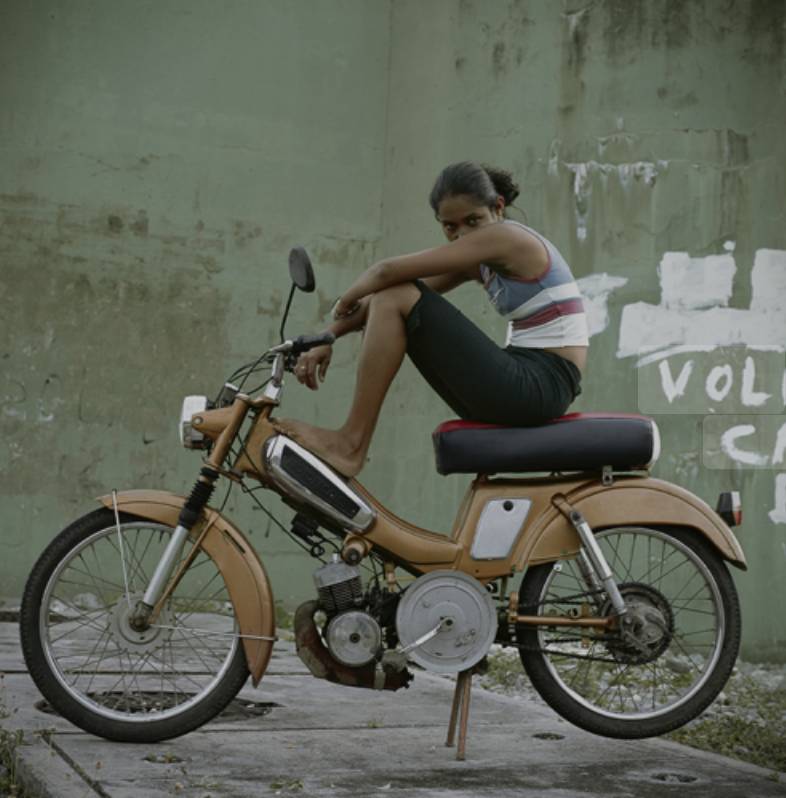
La grena' is the nickname given in the Antilles to the legendary Motobécane moped. It had such an impact there that at one time it could be said that it acted as a social barometer. "Ma grena' et moi" is the portrait of the last diehards who still ride it and, beyond that, a snapshot of Guadeloupean society. The film received a mention at the 2004 Vue d'Afrique Festival in Montreal, the L.Kimitete 2004 prize at the Groix International Island Film Festival and was selected for the Escales...
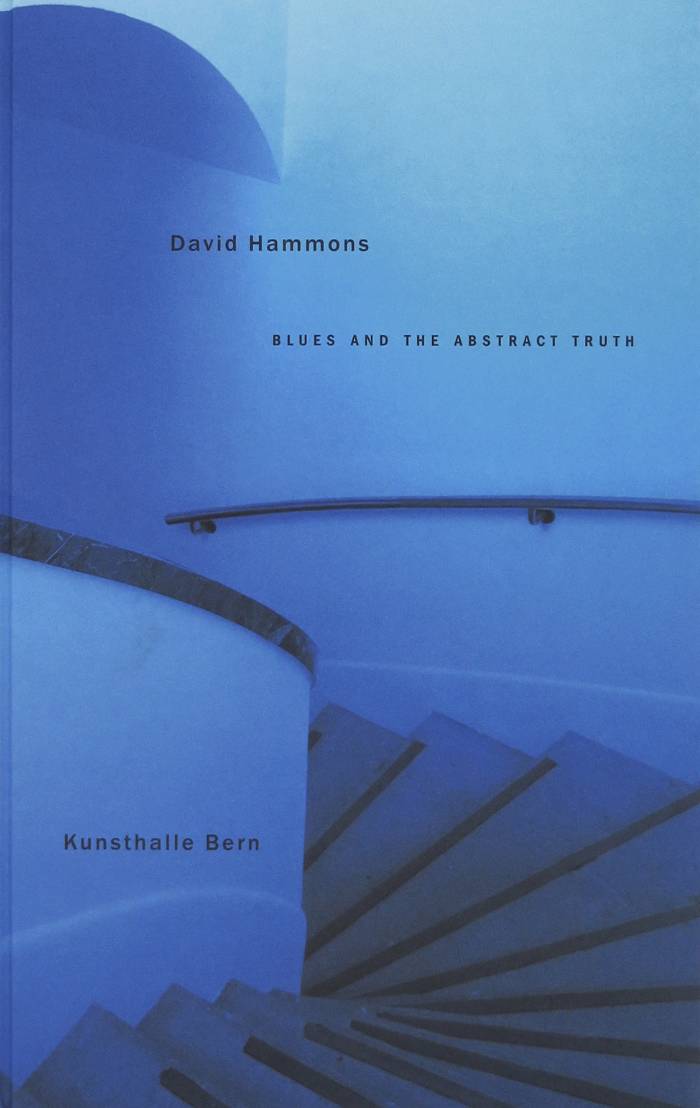
The title of this book derives from a jazz piece by Oliver Nelson, and the photographs and the rooms pictured are all bathed in an unreal blue. Being surrounded by this blue light, the viewer is taken into artist Hammons's space with subtle intensity. Using the Kunsthalle in Bern to envelop the visitor in shades of blueness, Hammons created a sensual and nocturnal realm. African-American artist Hammons is perhaps best known for his provocative portrait of politician Jesse Jackson transformed into a blonde blue-eyed white man and entitled "How Ya Like Me Now?" He has been the subject of numerous one-man exhibitions including venues such as The New Museum of Contemporary Art, Exit Art, P.S.1 Museum, and Museum of Modern Art San Francisco. In 1993 the Illinois State Museum published In the Hood. Hammons continues to live and work in Harlem.
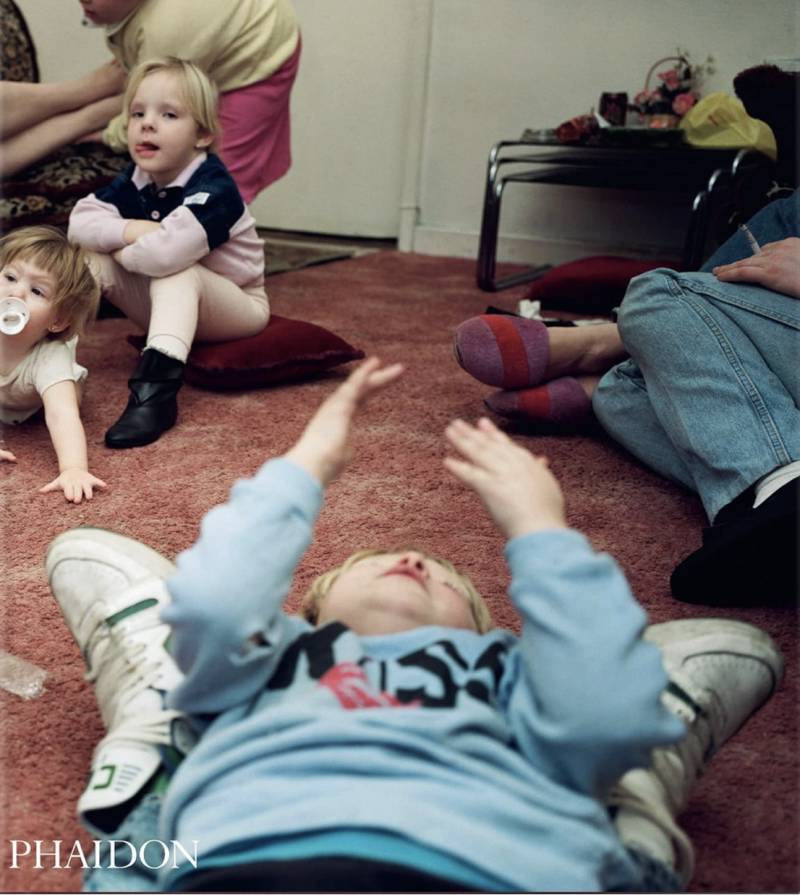
A retrospective of this British photographer and artist's forty-year career. His art uncompromisingly captures people, places, and sociopolitical contexts: depictions of riots, demonstrations, and free parties. The book contains previously unpublished photographs, paintings, sketchbooks, and other artworks.
A timely and in-depth survey of contemporary British photographer and artist Nick Waplington, with work spanning his entire 40-year career – his first comprehensive retrospective volume.
An expansive and timely survey on contemporary British photographer and artist Nick Waplington, with work spanning his entire 40-year career – his first comprehensive retrospective volume.
The extraordinary life story of the celebrated artist and writer, as told through four decades of intimate letters to her beloved mother Barbara Chase-Riboud has led a remarkable life. After graduating from Yale’s School of Design and Architecture, she moved to Europe and spent decades traveling the world and living at the center of artistic, literary, and political circles. She became a renowned artist whose work is now in museum collections around the world. Later, she also became an award-winning poet and bestselling novelist. And along the way, she met many luminaries—from Henri Cartier-Bresson, Salvador Dalí, Alexander Calder, James Baldwin, and Mao Zedong to Toni Morrison, Pierre Cardin, Jacqueline Kennedy Onassis, and Josephine Baker. I Always Knew is an intimate and vivid portrait of Chase-Riboud’s life as told through the letters she wrote to her mother, Vivian Mae, between 1957 and 1991. In candid detail, Chase-Riboud tells her mother about her life in Europe, her work as an artist, her romances, and her journeys around the world, from Western and Eastern Europe to the Middle East, Africa, the Soviet Union, China, and Mongolia. By turns brilliant and naïve, passionate and tender, poignant and funny, these letters show Chase-Riboud in the process of becoming who she is and who she might become. But what emerges most of all is the powerful story of a unique and remarkable relationship between a talented, ambitious, and courageous daughter and her adored mother.
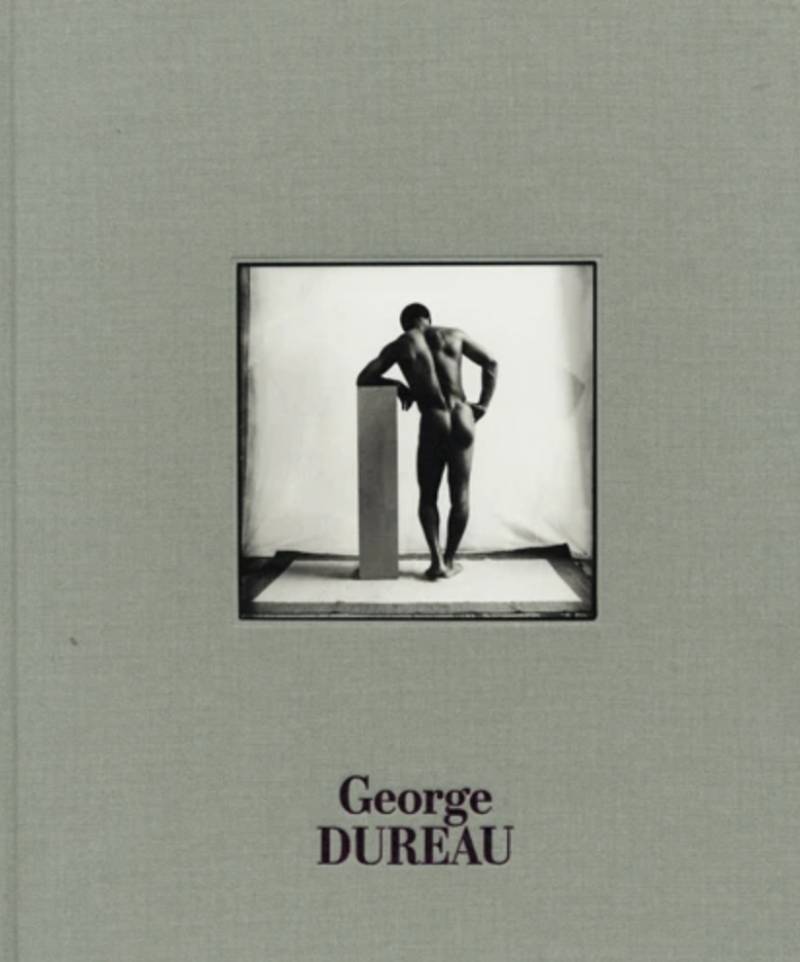
George Dureau, The Photographs is an album of the great photographic portraits made throughout the 40 years of Dureau’s artistic career—a New Orleans romance between the photographer and his subjects. All of Dureau’s exquisite photographs, many of them nudes of black and disabled men, were made in his studio in the French Quarter of New Orleans, or on the city’s streets. He began photography for the pleasure of photographing his lovers, and as research material for his paintings. Only later on did he begin to take his photographs seriously as works of art in their own right. Many of his subjects became part of Dureau’s “extended family”, whom he photographed on different occasions over many years. Surprisingly, only one book of Dureau’s photographs has been published, New Orleans (1985), a modest paperback long out of print. This Aperture book is possible now because of the commitment of Dureau’s supporters.
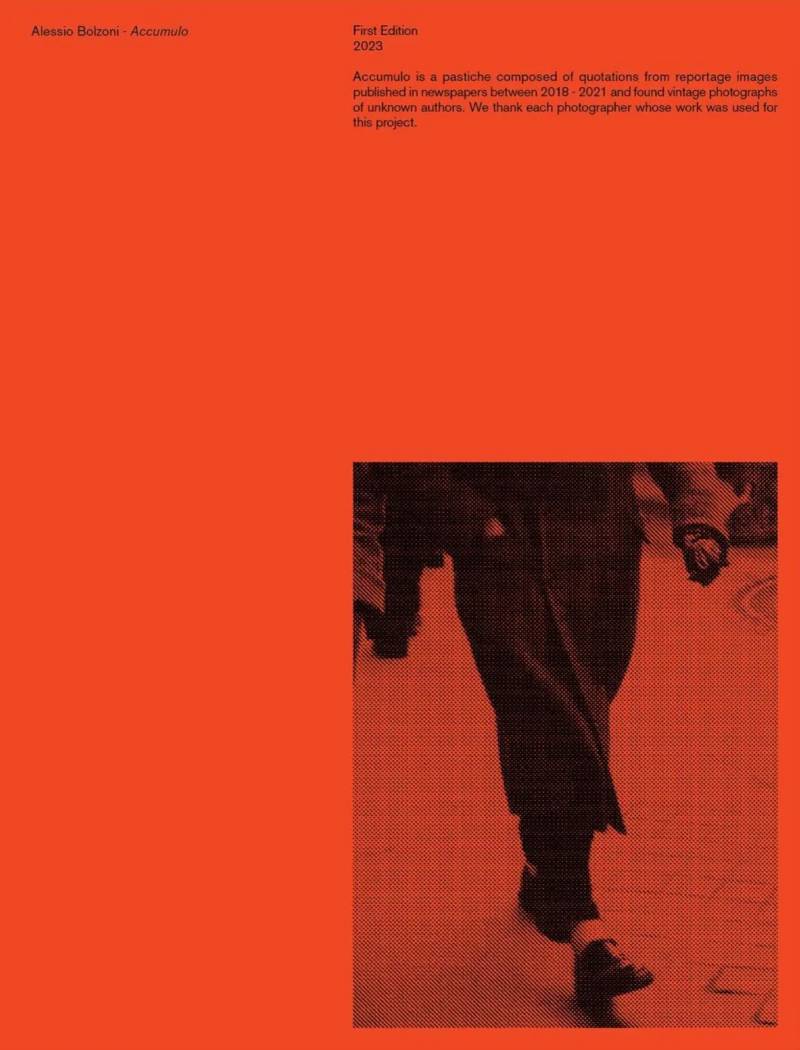
Accumulo is a project about endurance and fragility, almost an oxymoron that the artist's hands appease. Like some of Bolzoni's previous projects, this work is in the shape of a book of images and has a profoundly introspective nature.
Conceptually, the book stems from the investigation of the accumulation of things and images, represented by photos of rubbish, consumed and wasted objects. However, in a world that produces everything in excess, including immaterial items, even images become the extension of this concept. Bolzoni operates a careful appropriation of existing images from various sources and the self- appropriation of photos previously taken by the artist. This element can be almost seen as self-inflicted criticism because even the artist is not immune to this hyper-production. Bolzoni, in other words, does not cast himself out of the universe that he coldly analyses and documents.
Accumulo is an organised repository of excess, the metaphor of what a Lacanian would call "surplus-enjoyment". This aspect is made evident by the appropriation of Slavoj Zizek's essay "The Varieties of Surplus" (another one, albeit explicitly approved by the philosopher). It is essential to specify that Zizek's piece lives in this book, not as a comment to Accumulo but as an "Other" caught in a dialogue with the vast body of images. The appropriated essay is akin to a psychoanalyst, a professional listener of Bolzoni's proposition. It is "Other" and yet inextricable from the book.
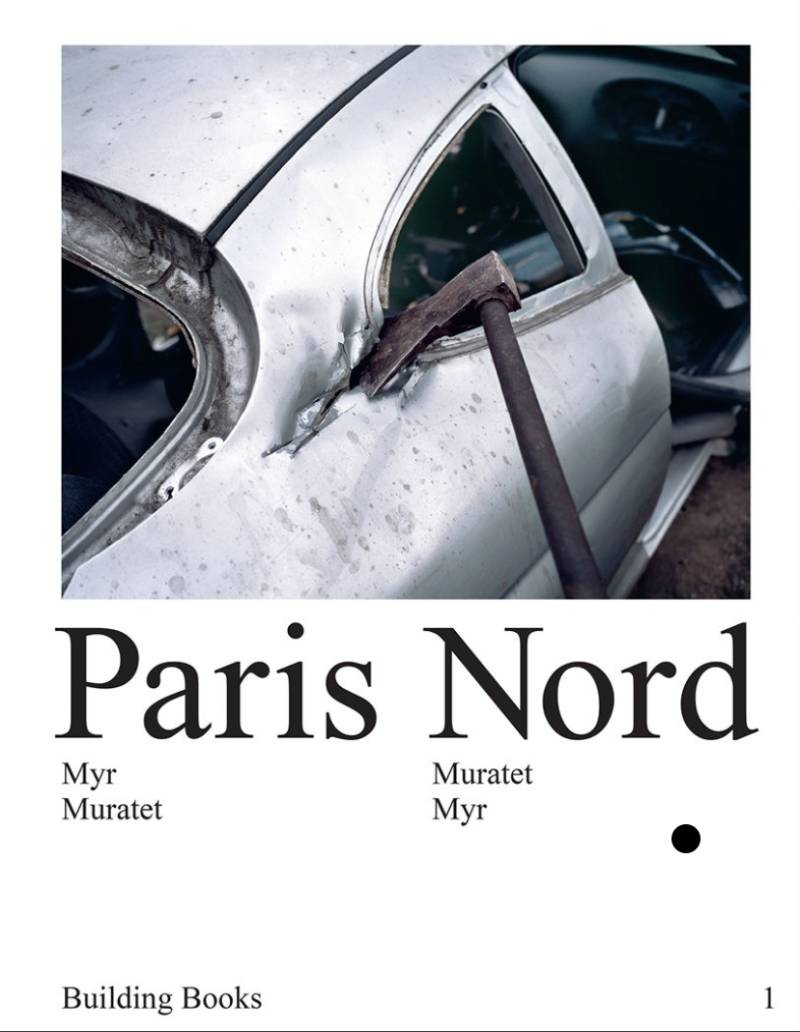
First monograph by Myr Muratet, “Paris Nord” offers a sensitive look at the fragile, precarious and inventive forms developed by populations living on the margins. Through images taken from the photographer’s series (Paris-Nord, Wasteland, CityWalk, The flora of the wasteland), we discover the interstices of the city as so many places in which the personal and private are nestled, where the wild and the forgotten coexist with the domestic and the everyday. This intimacy is opposed by massive and anonymous forms, which fill in the loopholes to prevent occupation, pushing further the communities that depend on it. A text by Manuel Joseph in the form of a flying notebook fits into the book without being attached to it. Published on the occasion of the exhibition “Zone de confort” at Le Signe (National Center for Graphic Design) in Chaumont, with the support of Le Signe and the CNAP (National Center for Arts).
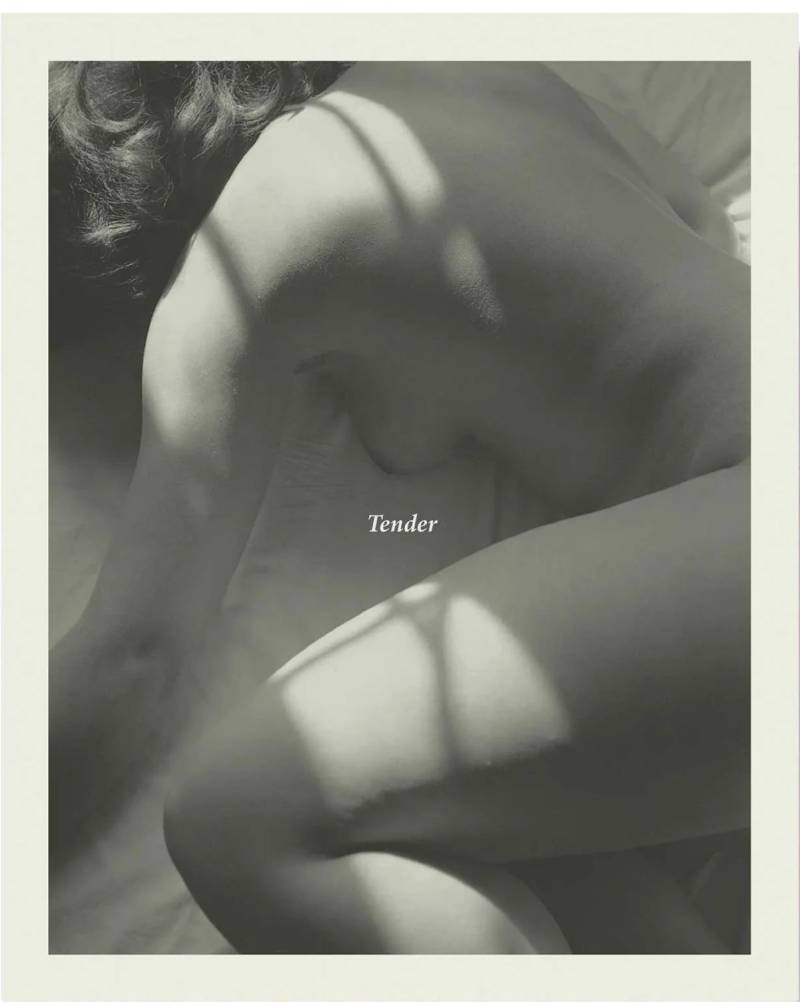
When Williams was eighteen and studying photography at Princeton, she began making the black and white and color portraits in Tender to create pictures in her own image. Her mind was filled equally with the canonical images of the medium’s male-driven history and the posing women discovered during her youth in her father’s pornography collection. Using her own body, Williams created the portraits she had never seen before. Made with instant Polaroid 35mm and 4×5 type 55 film formats, Williams profited from the near instant result to continuously play with her own expression and form. An act of tender commune with herself, these are every version of the artist on full display: provocative, playful, sensual, gentle, powerful, mean, glamorous, forlorn, funny. The photographs in Tender are ignited with the raw energy of a young artist on the cusp of adulthood and her own burgeoning sexual identity. Included in the book are essays by the artist and scholar Mireille Miller-Young.
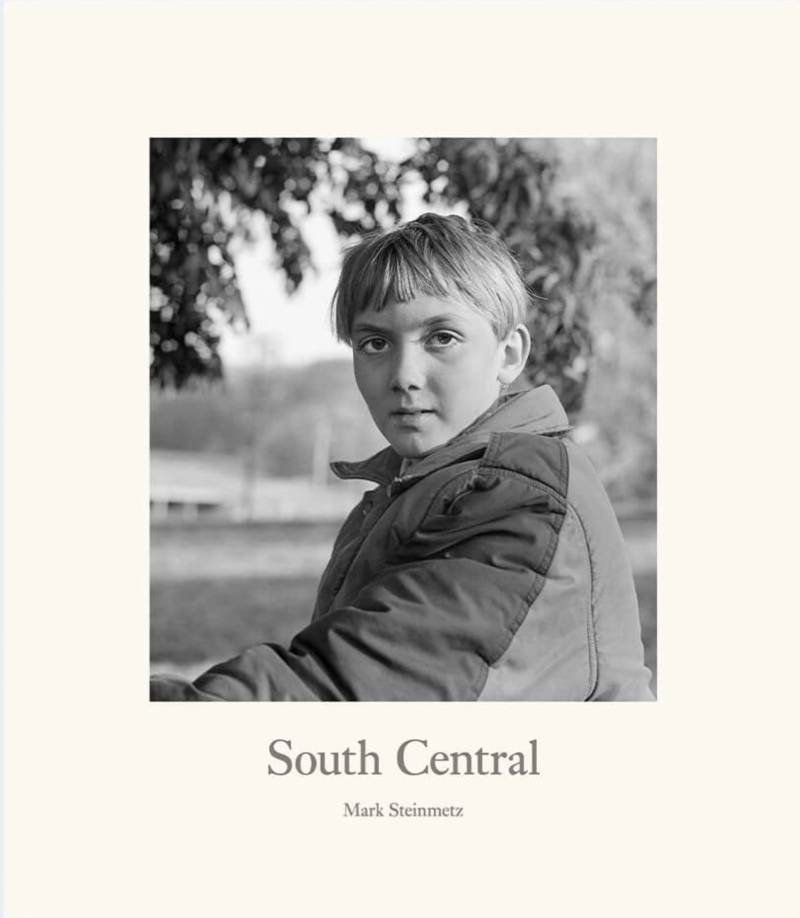
This is a remastered edition of this important title. The format, sequence and design are true to the original printings. The materials, however, have been upgraded; the books are now bound in cloth over board, and printed in quadratone on a special matte art paper.
Long out of print, South Central has been elusive goals for many libraries. This remastered release will be a welcome addition to any good library of photographic books.
Renowned for his modest yet powerful photographs that capture the sense of displacement and isolation felt by many young Americans, Mark Steinmetz photographed in and around Knoxville, Tennessee to create the work that makes up South Central. The title of the book is derived from the South Central Bell telephone company that serves Knoxville, and their public pay phones are a recurring theme in this work; an iconic reminder of the area’s socio-economic condition. The artist possesses an uncanny ability to pull folly, aggression and tenderness through his lens simultaneously, and delivers with this book a powerful and touching visual novel of the human condition.
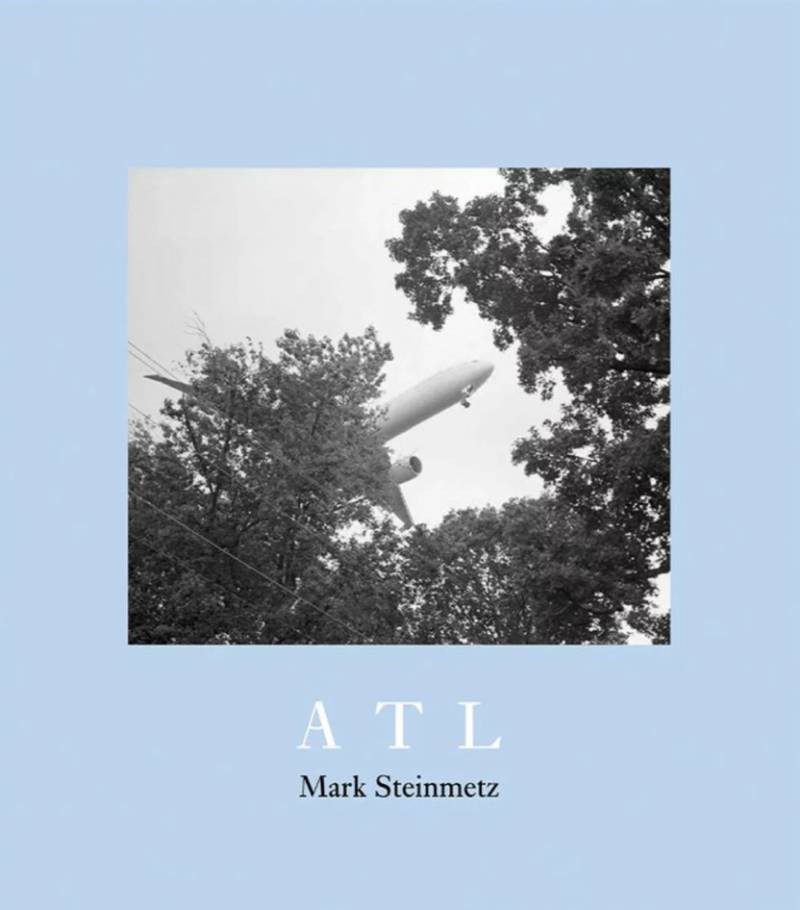
The 64 black-and-white images in ATL emphasize “the quiet transitional moments in this liminal world,” writes curator Gregory J. Harris in the volume’s introduction. Steinmetz captures “the more introspective moments” of travel in and out of the world’s most heavily trafficked airport and includes travelers of all ages “leaving one chapter of their lives and going to another,” as the artist stated in a 2019 interview at the museum. Airline pilots, ground personnel, flight attendants, and janitors are also pictured, always working, often waiting; they share a space with the travelers but remain apart.
Steinmetz also turns his focus to the open spaces around the airport, presenting vast, overgrown, and often unpeopled areas that provide a sharp contrast to the busy workings of the airport and its constantly changing population. A selection of images taken from aircraft windows depict the graphic beauty of clouds, light streaks, and jet trails, echoing the “sense of levity and mystery” felt by those traveling, as well as those viewing the photographs.
Though taken over a period of years, this collection of images evokes the distinct timelessness of air travel, “capturing ordinary yet captivating human dramas that play out in the public spaces across the airport.” ATL is the 15th volume of Mark Steinmetz’s work published by Nazraeli Press.
Untitled by Sasha Phyars-Burgess is a beautifully crafted exploration in three series that span across various sites and spaces—from striking black-and-white photographs of daily life in Trinidad, to images of dance-hall crowds, to portraits of individuals taken in the US, Canada, and England. As a first-generation American born to Trinidadian parents, Phyars-Burgess explores her heritage and its complicated history through photography. Her photographs progress by turns gentle and meditative, expressive and vibrant.
The book moves skillfully between the three series with shifts in design and paper choices that are responsive to each body of work. “The photographer’s voice,as expressed in her black-and-white photographs, but likewise in the extended interview included in the book—is incredibly strong,” Darius Himes explains (Juror of the Paris Photo – Aperture Foundation Photobook Awards 2021). “She offers her reflections, takes a position,states an opinion, and doesn’t pull any punches.” The paperback book has exposed binding with red thread coordinated to match the red folded slipcase that covers the book.
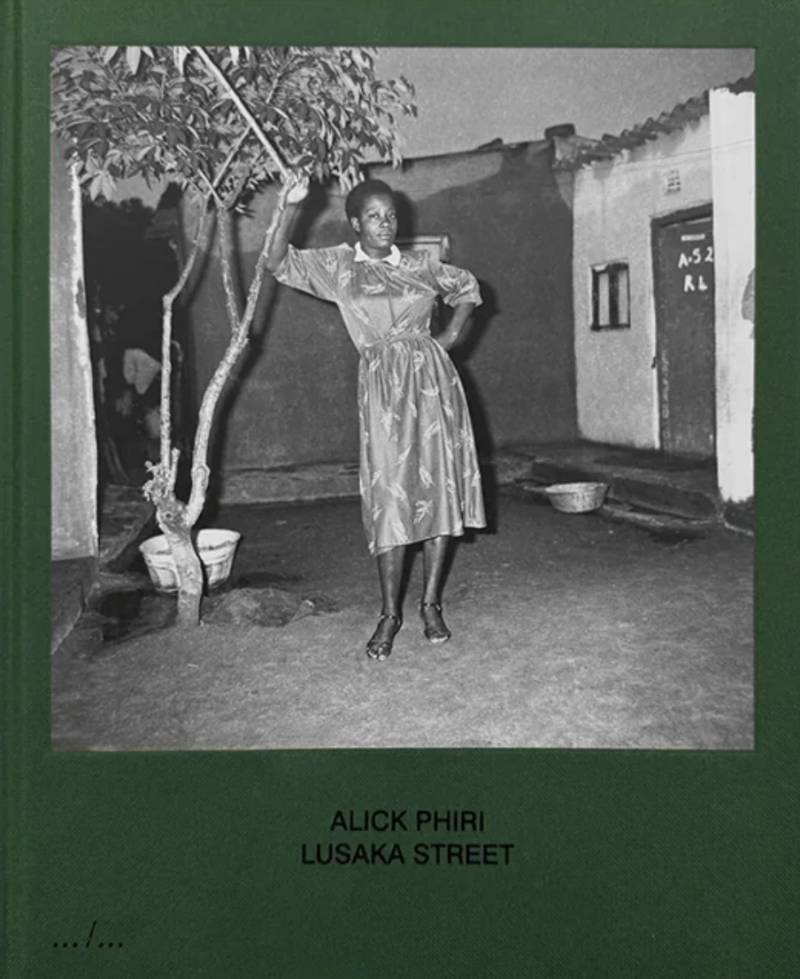
Lusaka Street is an exploration of Zambia’s photographic past through the eyes of Zambian image-maker Alick Phiri. One of the few surviving black photographers that had access to the medium from the 1960s through the 1990s in Lusaka – a time when the use of the camera was restricted in the country – Phiri was trained at Lusaka’s Photo Art Studios before opening his own studio in Kanyama, making photography an integral part of his life. His unseen before photographic archive provides a rare insight into the everyday experience of people in the city. Even more importantly, his work is a document of the process of self-determination and self-representation of black Zambians at the time, recounted through situational portraits taken in the subject's domestic sphere. A testament to the relevance of lens-based media within Zambia’s geographical, historical and social context, a tool for reimagining the past and reading the present.

The work also considers the impact of that decline on the community and on her family, creating a statement both personal and truly political—an intervention in the histories and narratives of the region. Frazier has compellingly set her story of three generations—her Grandma Ruby, her mother, and herself—against larger questions of civic belonging and responsibility. The work documents her own struggles and interactions with family and the expectations of community, and includes the documentation of the demise of Braddock’s only hospital, reinforcing the idea that the history of a place is frequently written on the body as well as the landscape. With The Notion of Family, Frazier knowingly acknowledges and expands upon the traditions of classic black-and-white documentary photography, enlisting the participation of her family, and her mother in particular. In the creation of these collaborative works, Frazier reinforces the idea of art and image-making as a transformative act, a means of resetting traditional power dynamics and narratives—both those of her family and of the community at large.
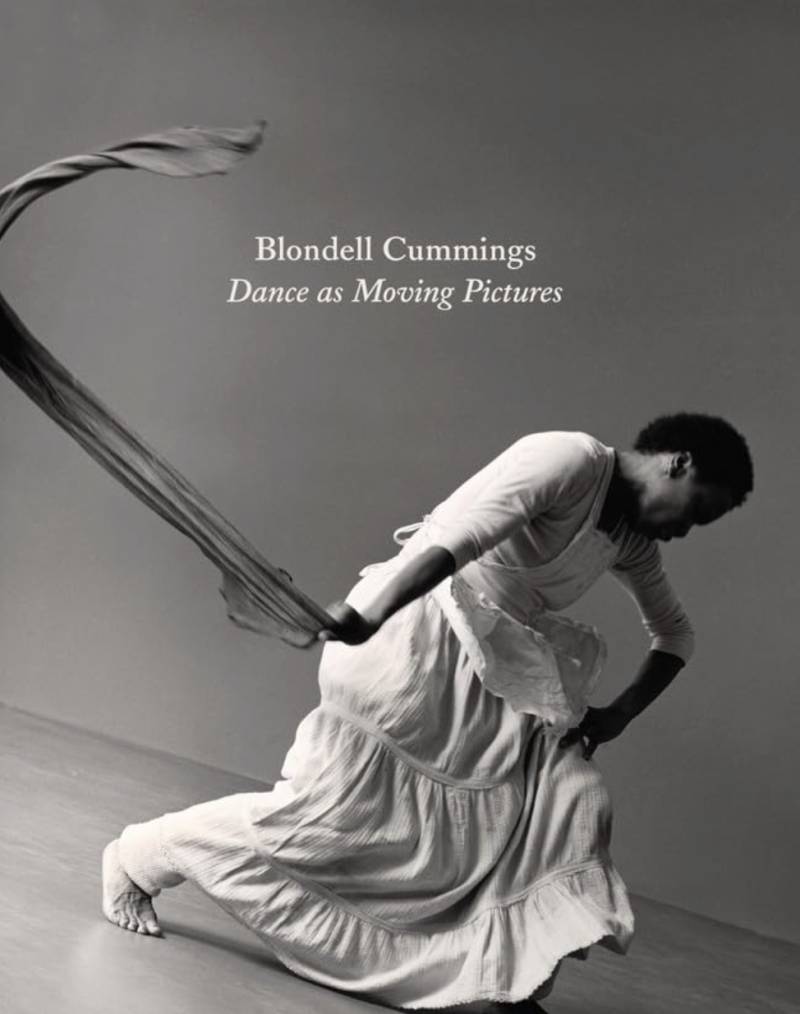
This book draws from Cummings's personal archive and includes performance ephemera and numerous images from digitized recordings of Cummings's performances and dance films; newly commissioned essays by Samada Aranke, Thomas F. DeFrantz, and Tara Aisha Willis; remembrances by Marjani Forté-Saunders, Ishmael Houston-Jones, Meredith Monk, Elizabeth Streb, Edisa Weeks, and Jawole Willa Jo Zollar; a 1995 interview with Cummings by Veta Goler; and transcripts from Cummings's appearances at Jacob's Pillow and the Wexner Center for the Arts. Bringing together reprints, an extended biography, a chronology of her work, rarely seen documentation, and new research, this book begins to contextualize Cummings's practice at the intersection of dance, moving image, and art histories.
In 2020 Collier Schorr began drawing from photographs she had made of the artist Nicole Eisenman, a solitary practice that had its roots in her fascination with the doppelganger and the possibility of seeing one’s face in another. This volume, sequenced in Schorr’s unmistakable narrative style, brings together a wide array of drawn portraits, selfies, and self-portraits, both staged and candid, in recognisable spaces and emerging from the blank page. Other artists and Eisenman's teenage daughter make appearances, setting up a sparsely occupied world. In one image, the cover of a Susan Sontag biography floats like a spectre, uneasy in its proximity to the queer figures asserting themselves between the pages. Schorr sees these drawings as works that think about photography and escape it simultaneously. A photograph will always share authorship between photographer and subject, while a drawing registers a different form of physical attention and collaboration. It engages bodies and space, and creates ambiguity where photography is conclusive – through a loss of concrete setting, or an absence of age. The porous worlds of queer culture operate much more closely than those of photography and painting. COSMOS explores the way these two figures inhabit many orbits, existing as mortals as well as images in their work and their communities.
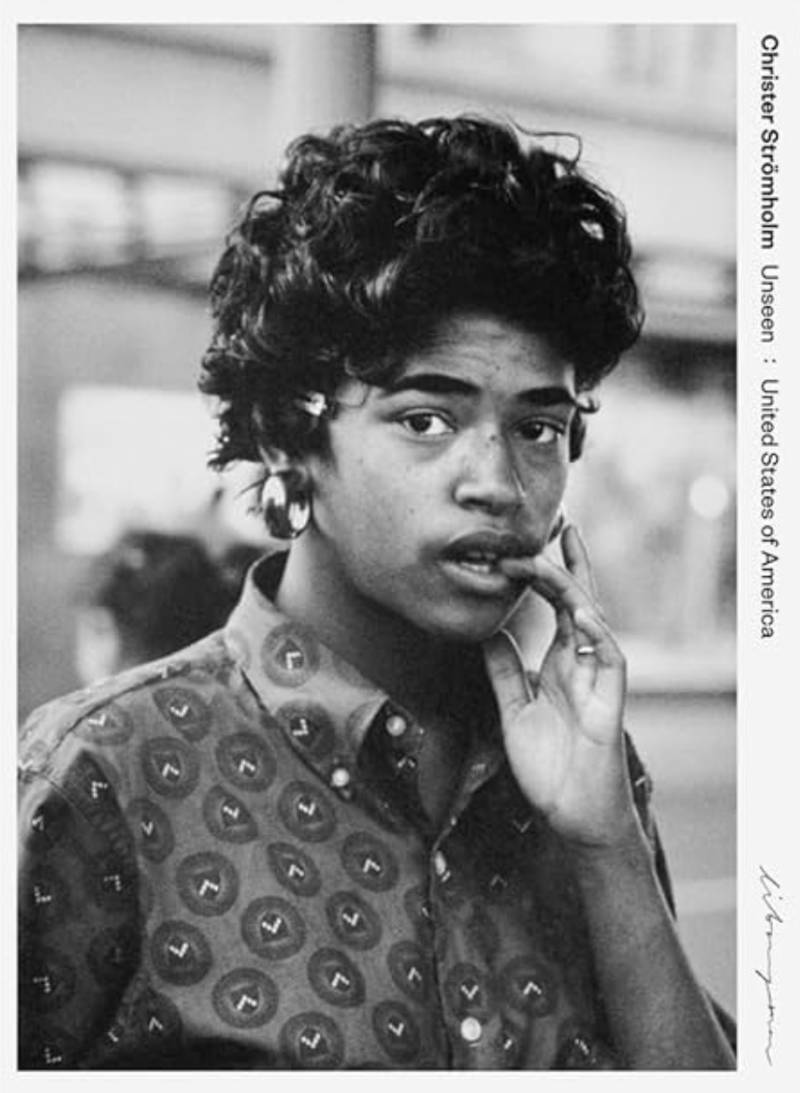
Particularly known for his depictions of transgender women in 1950s Paris, as well as his co-founding of Fotoskolan (Stockholm School of Photography), where he served as principal between 1962 and 1972, Christer Strömholm (b. 1918, d. 2002, Swedish) carried out a number of photographic journeys during the first half of the 1960s; many of which images have not yet been shown.
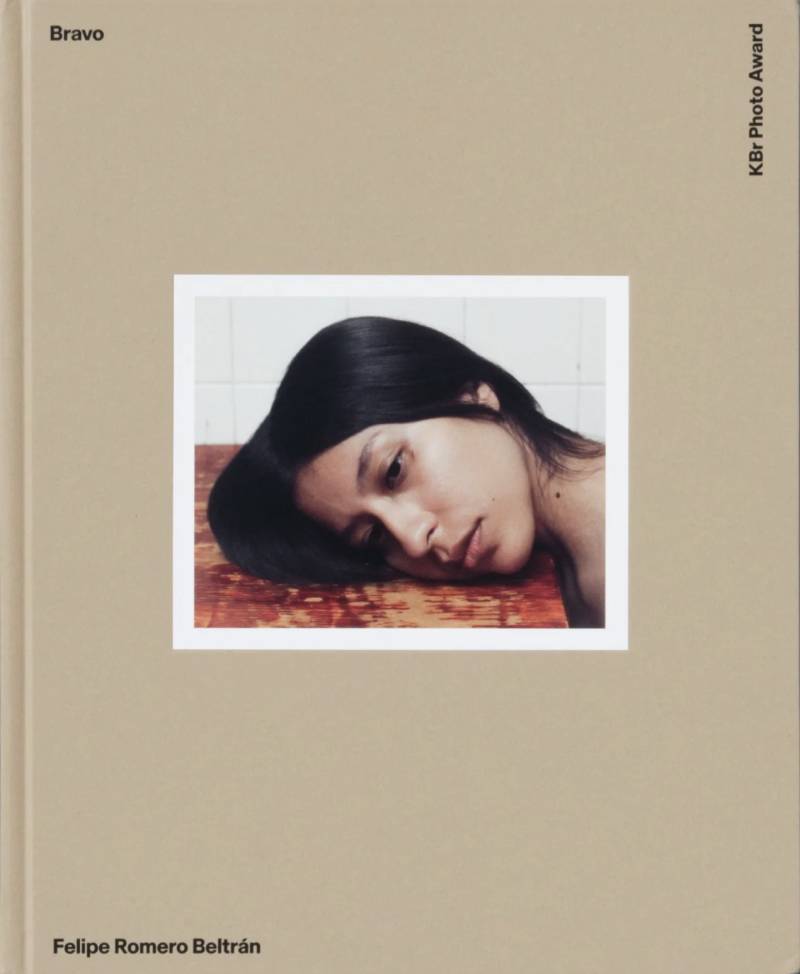
Bravo situates itself in the liminal space of the Rio Bravo, a site of perpetual tension and migration where identity and geography intersect. Focusing on a 270-kilometre stretch of the river, Romero Beltrán’s Bravo constructs an elusive visual narrative where the river itself becomes a silent protagonist, shaping the lives of those who approach it but rarely appearing in the frame. Through stark portraits, austere interiors, and scarred landscapes, Bravo captures the suspended time of migration as his subjects wait, sometimes for years, in the shadow of an uncertain crossing.
Romero Beltrán's signature style is precise in the pursuit of a political reality, where meticulously produced portraiture both reveals and conceals the resilience, exhaustion and hope of the migrant experience, alongside the muted delicacy of Romero Beltrán's interiors, where a speaker, a mattress, a red-painted table become loaded with symbolic weight.
Divided into three chapters—Endings, Bodies, and Breaches—Romero Beltrán’s inscrutable documentary approach challenges the semiotics of classification, enclosure, definition, and identification in his visual aesthetics that mirror the suppressed and controlled notions of identity at the border. Also included within Bravo is El Cruce, an audiovisual work that underscores the river’s dual role as a life source and militarized boundary through scenes of baptism, fishing, and migrant stories. With accompanying texts by Salvadoran migrant Dominick Bermúdez, thinker Albert Corbí, and artist Alejandra Aragón, as well as an interview with the artist, Bravo is an urgent and poetic meditation on a border defined by contradictions—where hope, despair, movement, and stillness converge.
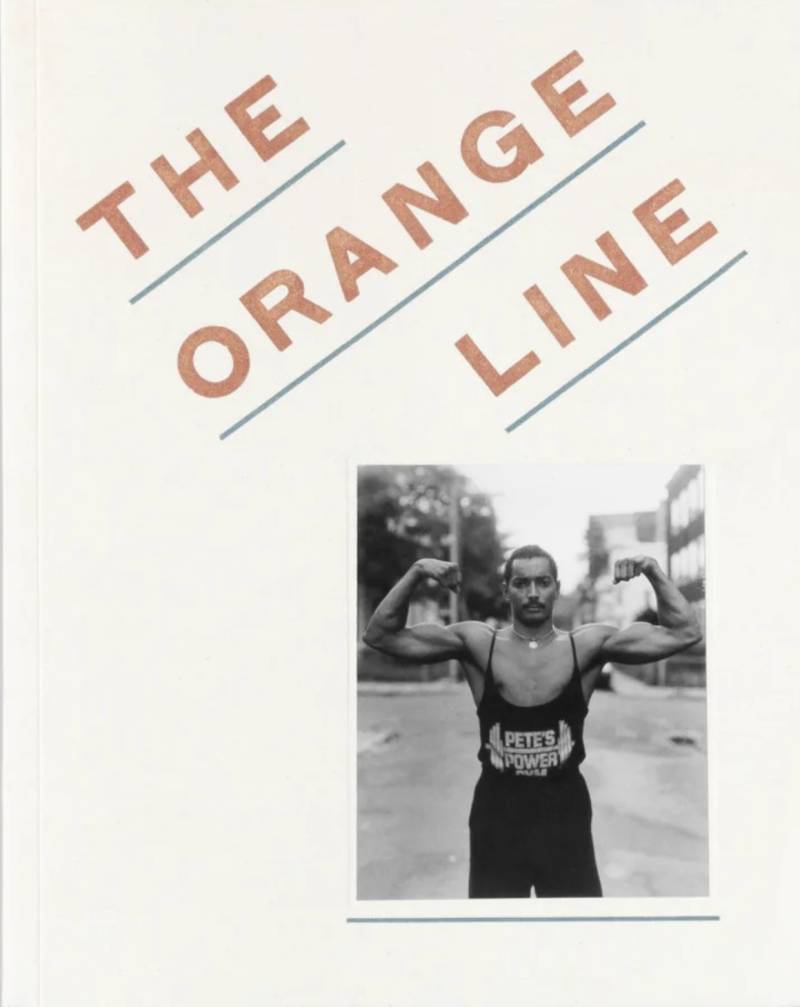
Jack Lueders-Booth’s The Orange Line is a tenderly produced archive of a community that lived and worked along the southern route of Boston Public Transportation’s Orange Line: an antiquated, clattering, overhead railway that was constructed in 1901. The pavement vibrating din of this deteriorating railway, its unsightliness, its increasing crime rate, and its inefficiency depressed property values in the neighbourhoods that it served. An unintended consequence was affordable housing for this largely low-income population.
In 1985, the southern section of the Orange Line was scheduled for demolition and rerouting, which seeded fears of rising rents, possible displacement, and the loss of public transportation to metropolitan Boston. Change seemed imminent, and displacement probable.
In 1970, Jack Lueders-Booth left a business career at age 35 to pursue photography. He taught photography at Harvard University from 1970 to 1999 where he was three times nominated for Harvard’s Joseph P. Levinson Memorial Award for Outstanding Teaching. He then went on to teach photography at The Rhode Island School of Design, Tufts University, The school of the Museum of Fine Arts, Boston, and The Art institute of Boston.
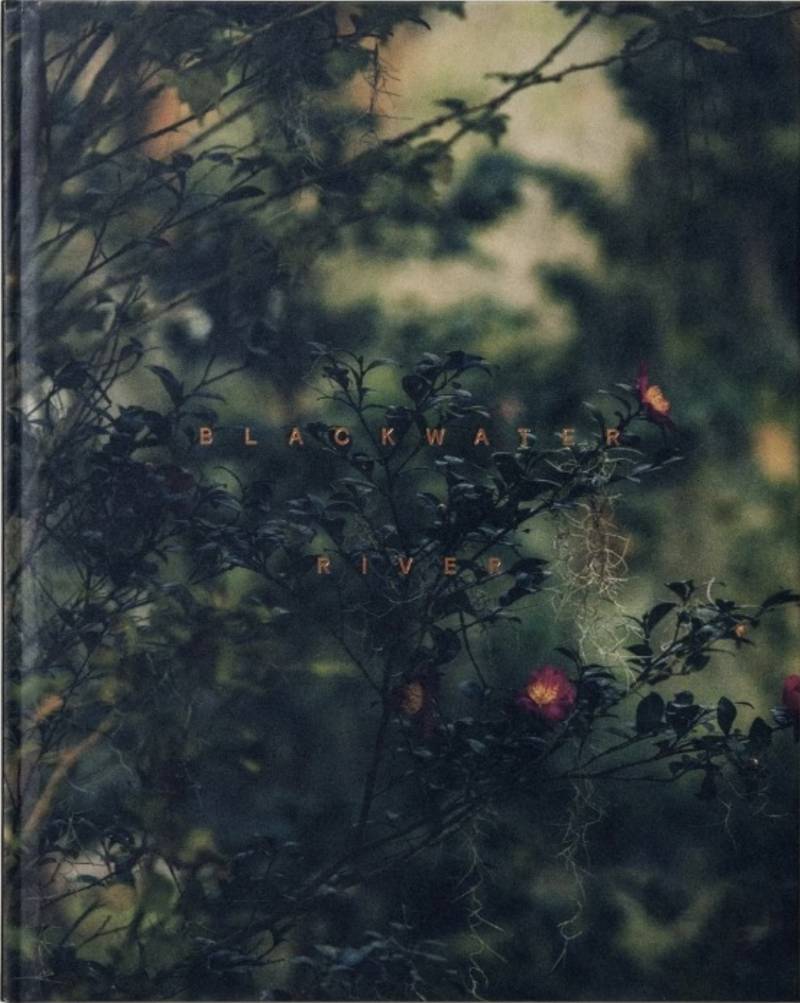
On a map of the south-eastern U.S., the 245-mile Ogeechee River cuts a diagonal path across Eastern Georgia before curling south of the city of Savannah and emptying into the Atlantic Ocean. It is known locally as Blackwater River for its slow moving waters that are like black glass, reflecting the sky and flora overhead and masking the tangle of life forces beneath.
In November 2017, Robbie Lawrence, accompanied by writer Sala Patterson, travelled to the Low Country, the coastal region straddling Georgia and South Carolina near where the Ogeechee River meets the ocean with the aim of documenting the nuances of issues driving news cycles and political divisions through the lens of one place in America.
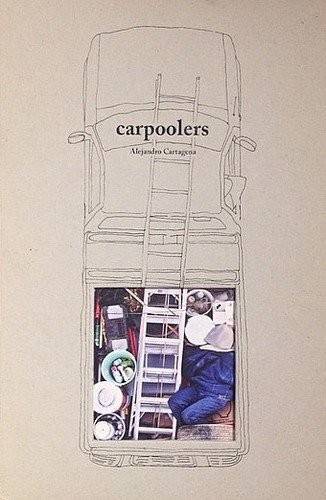
Carpoolers is a beautiful series of portraits or - as Marc McCann called them in his NY Times Lens blog piece - "still-lifes" of Mexican workers commuting in the back of trucks. Shooting his images from above, Alejandro Cartagena gets the full content of the truck without its environment (except for the road and the roof and hood of the trucks), displaying a very coherent series of images on this particular moment of the daily life of so many workers.
The images are all shot from the same angle, the trucks all have the same size more or less, people are always travelling in the back, displaying this moment as "usual" or "normal"... But the collection of images, and the variations in the series - the various objects in the trucks, the number of people, sleeping or not, the colors - make of this body of work a document on society and the life of this category of workers (through this particular moment), a very interesting development of a series from a single theme (like jazz variations around the theme of a standard), and also a simply enjoyable group of playful images where you can look for this or be amazed by that.
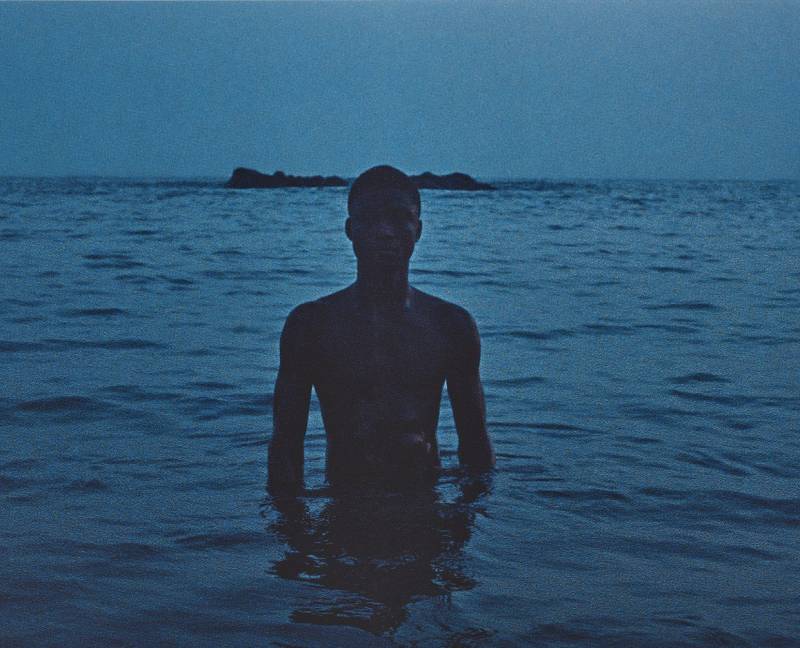
Born in Sierra Leone, 9-year-old Julian Knox fled with his family to the Gambia from the brutalities of a decade-long civil war, eventually settling in London at the age of 15. As an interdisciplinary poet, he is Julianknxx, who, through written word, performance, installation and film explores notions of belonging, loss and inheritance by intertwining his own biography with a wider, critical engagement of language and history.
For him, the diasporic experience is still ongoing, constantly in flux, as he grapples with the complexities of displacement and home, seeking ultimately to reconcile with how it feels to exist as a person who is culturally in between. In Praise of Still Boys (2021) is a striking testament to this very process of ongoing reconciliation and a kind of healing.
Its departure point is an eponymous poem written in both Krio— the lingua franca of Sierra Leone— and English. Derived from the Yoruba phrase: a kiri yo, which the poet translates as ‘aimless yet satisfied wanderers’, the creole language of Krio echoes his own hybridity and uprootedness; its nomadic quality born out of Freetown’s colonial past.
Taking form as a single-screen film as well as a three-channel installation, the film is a lyrical recounting of Julianknxx’s birth story and layered identity through a series of interviews, archival footage and performances. Depicting the lives of a group of young Sierra Leonean boys who live in Freetown next to the sapphire blue waters of the Atlantic Ocean, he pays homage to the beauty of Black skin and ultimately of a life that he could have had—one cut short by political upheaval.
The Haitian capital at the intersections of history, music, politics, religion, magic, architecture, art and literature
Published after a landmark 2018 exhibition at Pioneer Works―the first major survey of the astonishing artists of Haiti’s capital city―Pòtoprens is at once a portrait of a place, a celebration of its arts and a visionary re-mapping of culture in the world’s first Black republic.
In this volume, Port-au-Prince's complex present is evoked through artworks, images, oral histories and essays. These contents are organized, as was the exhibition, around neighborhoods identified with particular subjects, materials and forms.
Contextualized by leading writers on Caribbean culture, these artists’ stories are situated within Port-au-Prince’s rich heritage of “majority class art.” As cities everywhere grow ever more critical to our changing global environment, this book articulates urban Haiti’s unbroken link with its revolutionary past.
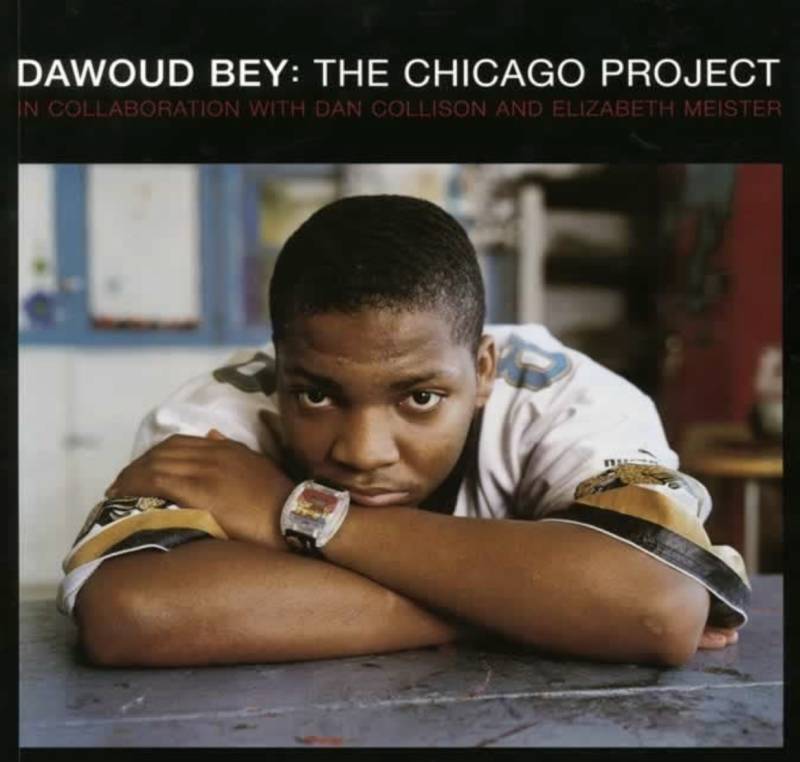
Is it possible for a photographic portrait to reveal anything "real" about its subject? As part of a twelve-week residency at the University of Chicago's Smart Museum of Art, acclaimed photographer Dawoud Bey asked this question of twelve teenagers from nearby schools. This fully illustrated book unpacks the process of Bey's ambitious residency and its products: a major exhibition pairing Bey's portraits of each student with audio portraits—included here on CD—created by award-winning radio producers Dan Collison and Elizabeth Meister, as well as an exhibition of portraits curated by the students themselves.
Allan Arma is an Art Director and Creative Strategist with a multidisciplinary practice spanning fashion, fine art, and cultural storytelling. He develops and executes concepts that merge strong visual identities with strategic brand narratives, creating work that is both culturally relevant and commercially impactful.
His expertise includes creative direction, campaign development, image consulting, and cross-channel content creation, from concept through to production and final delivery. With a background in luxury, editorial, and sportswear, he brings a nuanced understanding of diverse creative environments and a precision in translating ideas into compelling visual worlds.
Air Afrique, Billionaire Boys Club, Blue Moon Magazine, Champion, Edouard Glissant Art Fund, Icecream, i-D Magazine, Maryse Seigu, Nike, Numéro Magazine, Tiffany & Co, Wales Bonner, Soho House, 032c, Vans.
hello@otisworkshop.ocm
otisworkshop